
Snelshall Priory
Snelshall Priory was a Benedictine monastery founded around 1200 in what is now Milton Keynes, Buckinghamshire. Initially established as a Premonstratensian cell, it was later re-founded by Benedictine monks. Despite accumulating land, the priory struggled financially throughout its existence and was suppressed in 1535, with its stones later used to build a nearby church.
Key Facts
- ›Founded around 1200, with re-establishment by Benedictine monks circa 1219.
- ›Suffered from extreme poverty, with monks barely having necessities by 1321.
- ›Experienced 'irregularities' leading to restrictions on women's presence in 1529.
- ›Suppressed and transferred to the Crown in 1535.
- ›Stones from the priory were recycled for St Giles's Church, Tattenhoe.

Stones Used In St Giles's Church, Tattenhoe
Sybil D'Aungerville, Henry Burghersh, Bishop Longford, Sir John Fortescue
- Suppressed and Turned Over To the Crown In 1535
About Snelshall Priory
Snelshall Priory was a Benedictine monastery situated in what is now Milton Keynes, Buckinghamshire, United Kingdom. Its establishment dates to around 1200, initially as a cell for the Premonstratensian abbey of Lavendon. This early cell proved unsuccessful and was abandoned shortly after its inception.
Re-establishment and Financial Struggles
In approximately 1219, the priory was re-founded by Benedictine monks, supported by an increased endowment. Despite accumulating various landholdings through donations, Snelshall Priory faced persistent financial difficulties. By 1321, during a visitation by Henry Burghersh, the priory was so impoverished that its monks "scarcely had the necessities of life and had to beg even for these."
Later Years and Suppression
The priory persisted until the mid-sixteenth century. In 1529, Bishop Longford noted "irregularities" among the small monastic community, leading to the exclusion of all women from the priory precinct, with only elderly servants retained. By 1535, the house was in a state of ruin, with only three monks, two priests, the prior's parents, and eight servants remaining. Later that year, Snelshall Priory was suppressed and its assets transferred to The Crown. The stones from the priory were later repurposed for the construction of St Giles's Church in Tattenhoe.
Source: Wikipedia ↗
Frequently Asked Questions
When was Snelshall Priory founded?
Snelshall Priory was initially built around 1200. It was re-established by Benedictine monks around 1219 after an earlier Premonstratensian cell did not thrive.
What religious order was Snelshall Priory part of?
Snelshall Priory was a Benedictine priory. It began as a cell for the Premonstratensian monastery of Lavendon Abbey before the Benedictine re-foundation.
Was Snelshall Priory wealthy?
No, the priory struggled significantly with poverty. In 1321, it was noted that the monks scarcely had the necessities of life and had to beg for them.
What happened to Snelshall Priory?
The priory was suppressed in 1535 and turned over to The Crown. The house itself was possibly rebuilt around 1540, but it is not known when it was demolished.
Where is Snelshall Priory located?
Snelshall Priory was located in Milton Keynes, Buckinghamshire, in the United Kingdom. Its stones were used to build the nearby St Giles's Church in Tattenhoe.
Related Monasteries
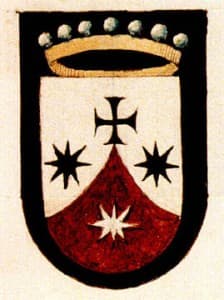
Cambridge White Friars
The Cambridge Whitefriars were a community of Carmelite friars who established themselves in Cambridge in the thirteenth century. Initially settling in Chesterton and then Newnham, they eventually moved to Milne Street in Cambridge in 1292, where they remained until the dissolution of the monasteries in 1538. Their property was then transferred to Queens' College, and most of the monastic buildings were demolished.
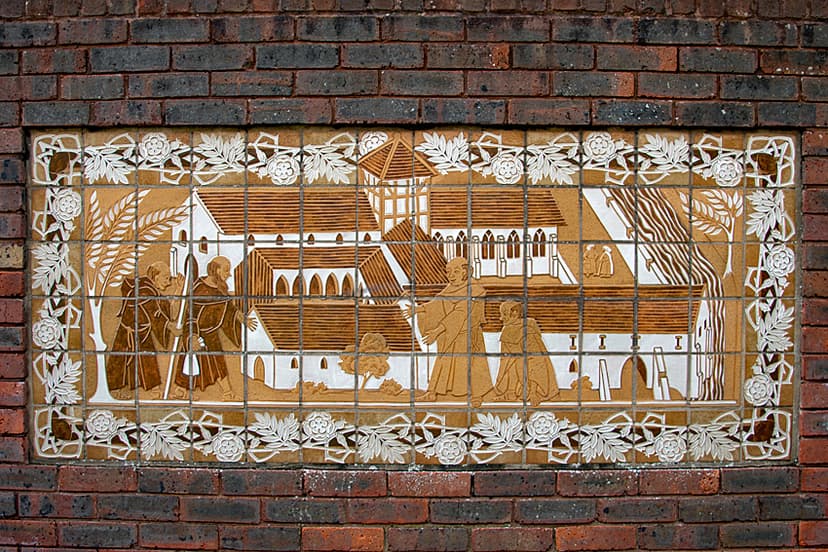
Southampton — Greyfriars
The Franciscan Friary of Southampton, also known as Greyfriars, was established around 1233 within the city walls. It was particularly renowned for its innovative water supply system, which initially served the friars and later the wider community of Southampton. The friary was dissolved in 1538, and while most of its structures have disappeared, remnants of its significant water system still exist.

Macosquin Abbey
Macosquin Abbey, formally known as Clarus Fons, was a Cistercian monastery located in County Londonderry, Northern Ireland. Founded in 1217 by monks from Morimond, France, it experienced a decline by 1539 and its last remains were removed in the 18th century. The site is now believed to be occupied by the Protestant Church of Saint Mary.