
Southampton — Greyfriars
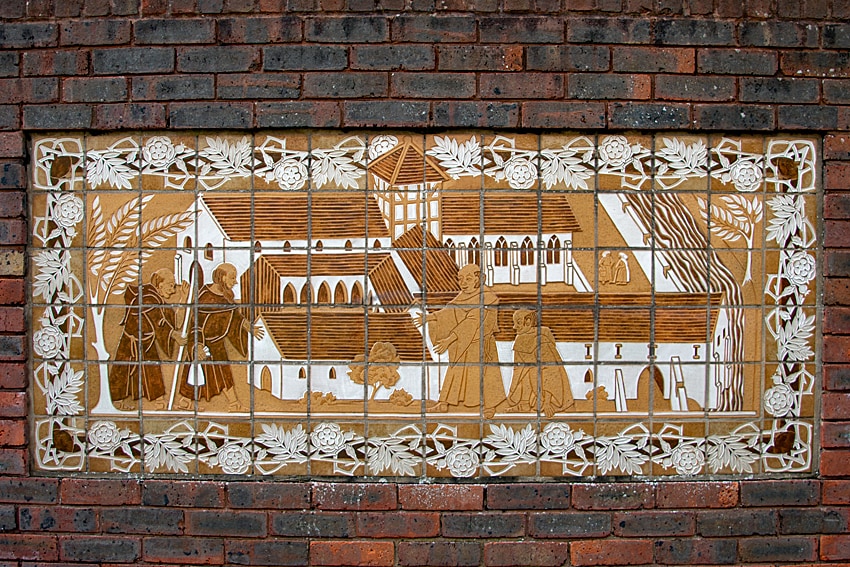
The Franciscan Friary of Southampton, also known as Greyfriars, was established around 1233 within the city walls. It was particularly renowned for its innovative water supply system, which initially served the friars and later the wider community of Southampton. The friary was dissolved in 1538, and while most of its structures have disappeared, remnants of its significant water system still exist.
Key Facts
- ›Founded around 1233.
- ›Notable for its extensive water supply system, which served both the friars and the town.
- ›Received water rights from springs on the manor of Shirley in 1290.
- ›The water supply was granted to the public in 1310.
- ›Ownership of the water system transferred to the mayor and community of Southampton in 1420.
- ›Dissolved in 1538.
Water Supply System, Conduit Head, Conduit House
Greyfriars
Nicholas De Barbeflet
Dissolution of the Friary
About Southampton — Greyfriars
The Franciscan Friary of Southampton, also known historically as Greyfriars, was a significant monastic institution established in the city around 1233. Situated within the southeastern part of Southampton's defensive walls and in close proximity to God's House Tower, the friary's most distinctive feature was its elaborate and innovative water supply system.
The Water Supply System
This remarkable engineering feat was initially conceived by the friars for their own needs. In 1290, Nicholas de Barbeflet granted them rights to utilize springs from his manor of Shirley, located northwest of the medieval town. By 1304, the friars had constructed a complex network of pipes to channel water approximately 1.7 kilometers to their friary. The system drew from several springs, though only the one at Shirley is explicitly detailed in historical accounts.
In 1310, recognizing the broader needs of the settlement, the friars extended the use of their water supply to the people of Southampton. However, by 1420, the friars found it increasingly challenging to maintain the system's upkeep. Consequently, they transferred ownership of the water supply infrastructure to the mayor and community of Southampton, who managed it for the remainder of its operational life until it was eventually superseded by new wells.
Visible Remains
Although the friary itself was dissolved in 1538, and its last physical vestiges were removed in the 1940s, remnants of its impressive water supply system endure. Outside the former town walls, the original water source at Shirley is marked by Conduit Head, a stone structure featuring a small gateway and subterranean chambers that once channeled spring water. While somewhat dilapidated and now situated behind modern housing, access to this site is available via a path from the Sandhurst Road allotments. Another visible remnant is Conduit House on Commercial Road, though its precise function remains a subject of historical uncertainty.
Source: Wikipedia ↗
Frequently Asked Questions
When was the Franciscan Friary of Southampton founded?
The Franciscan Friary of Southampton, also referred to as Greyfriars, was founded around the year 1233. This date marks the establishment of the friary within the city's defensive walls.
What was the most significant feature of the friary?
The friary was particularly notable for its sophisticated water supply system. This system was initially designed for the friars' own use but was later extended to benefit the inhabitants of Southampton.
What is the current status of the friary?
The friary was dissolved in 1538. While the friary buildings themselves are largely gone, with the last remnants removed in the 1940s, the site is now occupied by Friary House. Importantly, parts of its historical water supply system still survive.
Where can remnants of the friary's water system be seen today?
Remnants of the water supply system can be observed outside the former town walls. Conduit Head at the site of the manor in Shirley marks the original water source, and Conduit House on Commercial Road is another visible, though its exact purpose remains uncertain.
Related Monasteries

Cambridge White Friars
The Cambridge Whitefriars were a community of Carmelite friars who established themselves in Cambridge in the thirteenth century. Initially settling in Chesterton and then Newnham, they eventually moved to Milne Street in Cambridge in 1292, where they remained until the dissolution of the monasteries in 1538. Their property was then transferred to Queens' College, and most of the monastic buildings were demolished.

Snelshall Priory
Snelshall Priory was a Benedictine monastery founded around 1200 in what is now Milton Keynes, Buckinghamshire. Initially established as a Premonstratensian cell, it was later re-founded by Benedictine monks. Despite accumulating land, the priory struggled financially throughout its existence and was suppressed in 1535, with its stones later used to build a nearby church.

Macosquin Abbey
Macosquin Abbey, formally known as Clarus Fons, was a Cistercian monastery located in County Londonderry, Northern Ireland. Founded in 1217 by monks from Morimond, France, it experienced a decline by 1539 and its last remains were removed in the 18th century. The site is now believed to be occupied by the Protestant Church of Saint Mary.