
Macosquin Abbey
Macosquin Abbey, formally known as Clarus Fons, was a Cistercian monastery located in County Londonderry, Northern Ireland. Founded in 1217 by monks from Morimond, France, it experienced a decline by 1539 and its last remains were removed in the 18th century. The site is now believed to be occupied by the Protestant Church of Saint Mary.
Key Facts
- ›Founded in 1217 by monks from Morimond Abbey, France.
- ›Formally known as Clarus Fons.
- ›Belonged to the Cistercian order.
- ›May have had an earlier monastic establishment in the 6th century.
- ›Fell into disrepair by 1539.
- ›The last remains of the abbey were removed in the 18th century.
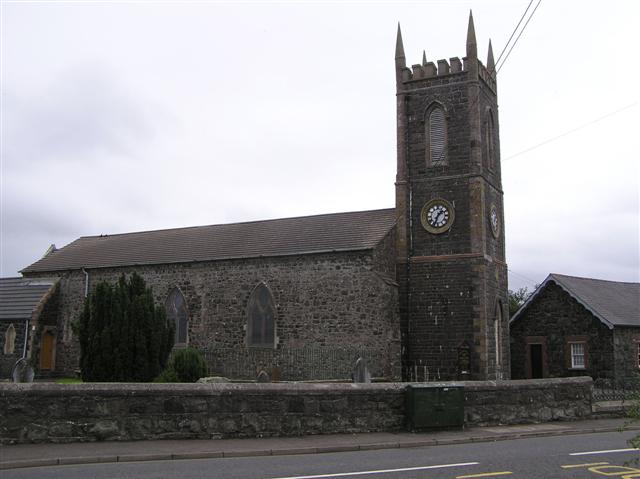
- A 13th-Century Lancet Window Is Installed In the Church of Saint Mary, Which May Have Reused Abbey Foundations.
Clarus Fons
- Founded In 1217.
- Fell Into Disrepair By 1539.
- Site Occupied By London Guild of Merchant Taylors At the Beginning of the 17th Century.
- Last Remains Removed In the 18th Century.
About Macosquin Abbey
Macosquin Abbey, formally known by its Latin name Clarus Fons, was a significant Cistercian monastery situated in County Londonderry, Northern Ireland. Its establishment in 1217 marked the arrival of monks from Morimond, a French daughter house of the influential Cistercian mother abbey of Citeaux. While historical records suggest the possibility of an even earlier monastic presence at Macosquin dating back to the 6th century, the Cistercian foundation is the most documented.
History and Decline
The abbey experienced a period of decline, with accounts noting its disrepair by 1539. The subsequent centuries saw significant changes to the site. In the early 17th century, the abbey grounds were occupied by a plantation established by the London Guild of Merchant Taylors. By the 18th century, the last visible remains of the abbey buildings were removed. It is believed that the modern Protestant Church of Saint Mary now occupies the original abbey site, potentially incorporating some of its foundational structures. A 13th-century Lancet window found in Saint Mary's Church further hints at the continuity of the site's religious use.
Source: Wikipedia ↗
Frequently Asked Questions
When was Macosquin Abbey founded?
The Cistercian Abbey of Our Lady of the Clear Springs, known as Macosquin Abbey, was founded in 1217. However, there is speculation that a monastic establishment may have existed at Macosquin as early as the 6th century.
What religious order was Macosquin Abbey a part of?
Macosquin Abbey was a Cistercian monastery. It was founded by monks from Morimond, which itself was a daughter house of Citeaux in France.
What happened to Macosquin Abbey?
By 1539, the abbey had fallen into a state of disrepair. The last remains of its buildings were removed in the 18th century. The Protestant Church of Saint Mary now likely occupies the abbey's site and may have reused its foundations.
Where was Macosquin Abbey located?
Macosquin Abbey was located in County Londonderry, Northern Ireland, specifically on Abbey Lane in Macosquin.
Related Monasteries
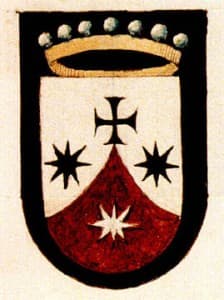
Cambridge White Friars
The Cambridge Whitefriars were a community of Carmelite friars who established themselves in Cambridge in the thirteenth century. Initially settling in Chesterton and then Newnham, they eventually moved to Milne Street in Cambridge in 1292, where they remained until the dissolution of the monasteries in 1538. Their property was then transferred to Queens' College, and most of the monastic buildings were demolished.

Snelshall Priory
Snelshall Priory was a Benedictine monastery founded around 1200 in what is now Milton Keynes, Buckinghamshire. Initially established as a Premonstratensian cell, it was later re-founded by Benedictine monks. Despite accumulating land, the priory struggled financially throughout its existence and was suppressed in 1535, with its stones later used to build a nearby church.
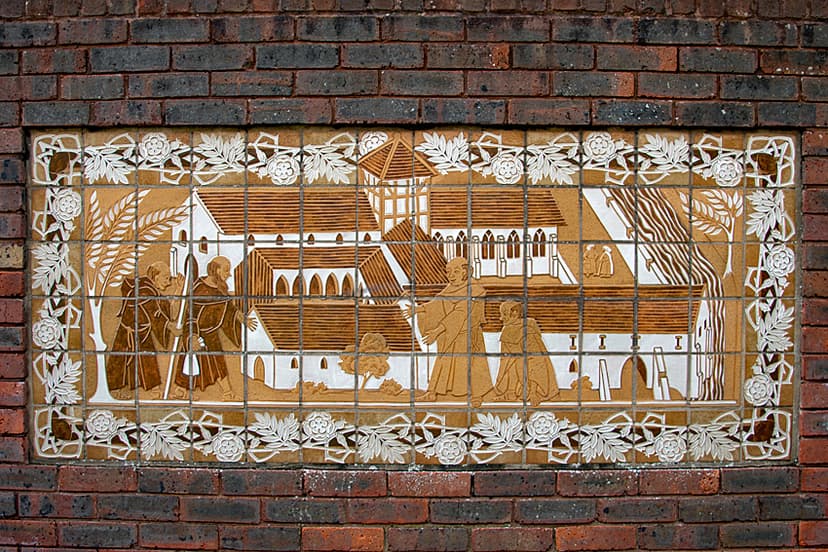
Southampton — Greyfriars
The Franciscan Friary of Southampton, also known as Greyfriars, was established around 1233 within the city walls. It was particularly renowned for its innovative water supply system, which initially served the friars and later the wider community of Southampton. The friary was dissolved in 1538, and while most of its structures have disappeared, remnants of its significant water system still exist.