
Sint-Truiden Abbey
Sint-Truiden Abbey was a historically significant Benedictine monastery located in Sint-Truiden, Belgium, founded in the 7th century by Saint Trudo. It grew to become one of the most powerful abbeys in the Low Countries, with the town of Sint-Truiden developing around it. Although largely destroyed or demolished by the late 18th and 19th centuries, remnants of its Romanesque and Baroque structures, along with archaeological outlines, still mark its former grandeur and influence.
Key Facts
- ›Founded by Saint Trudo around 655 AD.
- ›Adopted the Rule of St. Benedict in the 9th century.
- ›Suffered devastation by the Normans in 883.
- ›The Romanesque abbey church, built in the 11th century, was 100 meters long.
- ›Demolished in stages starting from 1798 after its suppression.
- ›Parts of its Romanesque and Baroque structures, including towers and a gatehouse, still exist or are archaeologically marked.

Romanesque, Baroque, Neo-Classical
Romanesque Abbey Church Outline, Church Towers, Crypt, Baroque Gateway, Abbot's Lodgings
St Trudo's Abbey, Abdij Van Sint-Truiden, Abdij Van Sint-Trudo, Abbaye De Saint-Trond
Saint Trudo, Eucherius of OrléAns, Libert of Saint-Trond, Adalbero I of Metz, Adelardus Ii, Wiricus, Hubertus Van Sutendael, Willem Van Brussel, Joseph Van Herck
Founded By Saint Trudo, Adopted Rule of St. Benedict, Laid Waste By Normans, Suppressed By French Revolutionary Forces, Romanesque Church Demolished, Site Used As A Seminary, Catastrophic Fire Damaged Buildings, Abbey Mill Destroyed By Explosion
About Sint-Truiden Abbey
Sint-Truiden Abbey, also known as St Trudo's Abbey, was a historically significant Benedictine monastery situated in the town of Sint-Truiden in the province of Limburg, Belgium. Its origins trace back to the 7th century when it was founded by Saint Trudo around 655 AD on a site known as Sarchinium. The abbey rapidly grew in importance, becoming one of the oldest and most powerful monastic institutions in the Low Countries, with the town of Sint-Truiden itself developing around its precincts.
History and Development
The monastery adopted the Rule of St. Benedict in the 9th century, likely soon after 817, and became a center of religious life. Despite periods of devastation, such as the Norman raids in 883, the abbey flourished throughout the Middle Ages. Its significance was amplified by its status as a place of pilgrimage, particularly to the grave of Saint Trudo, which brought considerable economic benefit to the abbey and its surrounding settlement. This led to the construction of substantial Romanesque structures, including an abbey church that measured an impressive 100 meters in length in the 11th century.
Further architectural developments occurred in subsequent centuries, with additions and refurbishments in the Gothic, Baroque, and Neo-classical styles. Notable abbots like Adelardus II and Wiricus oversaw significant construction projects, including monastic buildings, guest accommodations, and a burial chapel that was described as surpassing all others in the region. The abbey also possessed rights of patronage over numerous parish churches and accumulated extensive estates.
Decline and Legacy
The abbey's operational life came to an end with the arrival of French Revolutionary forces in 1794. The monastery was suppressed, plundered, and its buildings were repurposed, including use as a military hospital. The grand Romanesque church was demolished in 1798, with its materials sold off. Over time, the former abbey grounds passed through various owners, eventually becoming the site for a seminary built in the mid-19th century.
Recent history has seen further damage, including a major fire in 1975 that destroyed the seminary church and an explosion in 1992 that destroyed the abbey mill. Today, Sint-Truiden Abbey exists primarily as an archaeological site and a testament to its historical importance. The outline of the Romanesque abbey church has been marked, and remnants of its towers, crypt, and gateway are still visible, offering a glimpse into its past grandeur. The site is now accessible to the public, allowing visitors to explore its historical footprint.
Source: Wikipedia ↗
Frequently Asked Questions
When was Sint-Truiden Abbey founded?
Sint-Truiden Abbey was founded by Saint Trudo in approximately 655 AD. This makes it one of the oldest monastic foundations in the region.
What religious order was Sint-Truiden Abbey part of?
Sint-Truiden Abbey was a Benedictine monastery. It officially adopted the Rule of Saint Benedict in the 9th century, likely soon after 817.
What happened to the original abbey church?
The great Romanesque abbey church, dedicated to Saint Remaclus and Saint Quintin, was demolished in 1798. It had been severely damaged by fire in 1794.
What remains of Sint-Truiden Abbey today?
While the main abbey church was demolished, remnants of the former abbey complex include the church towers, parts of the crypt, the Baroque gateway, and the abbot's lodgings. Additionally, the outline of the Romanesque abbey church has been made visible on the site.
What is the significance of Sint-Truiden Abbey?
Sint-Truiden Abbey was one of the oldest and most powerful abbeys in the Low Countries. The town of Sint-Truiden grew around it, and pilgrimages to the grave of Saint Trudo were of great economic importance.
Related Monasteries
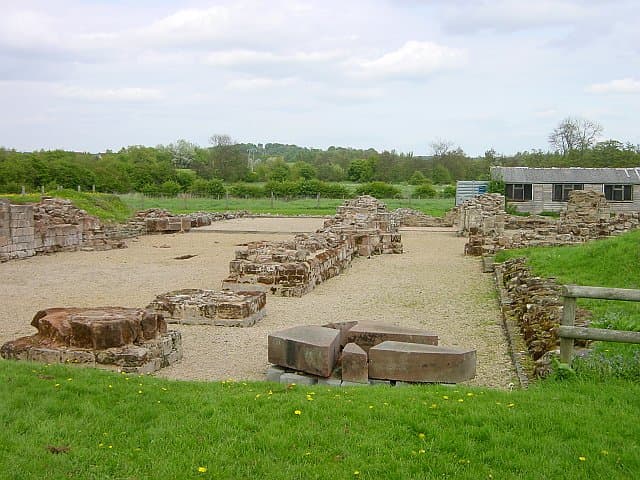
Bordesley Abbey
Bordesley Abbey was a significant 12th-century Cistercian monastery located in Worcestershire, England. Founded around 1138, it became a royal house under Empress Matilda and played a vital role as a local ecclesiastical and political center. The abbey was ultimately demolished in 1538 during the dissolution of the monasteries under Henry VIII, and its ruins are now an important archaeological site.
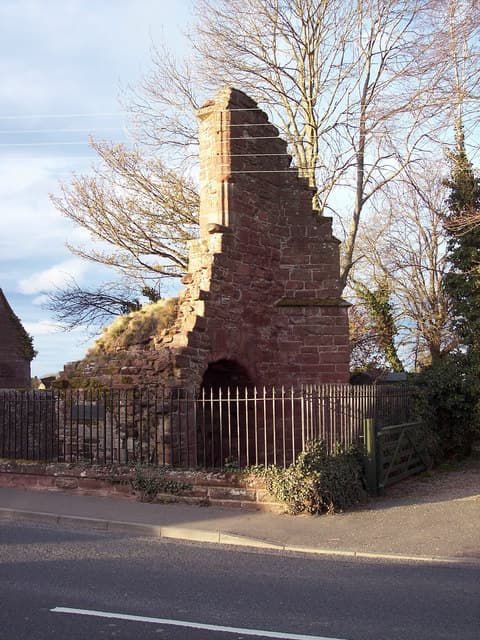
Coupar Angus Abbey
Coupar Angus Abbey was a significant Cistercian monastery founded in the mid-12th century in central Scotland. It grew to be a medium to large and wealthy institution, enduring over four centuries of monastic life before its dissolution and eventual dismantling. Today, only a ruined gatehouse and fragmented stonework remain, with its charters preserved as a notable survival.
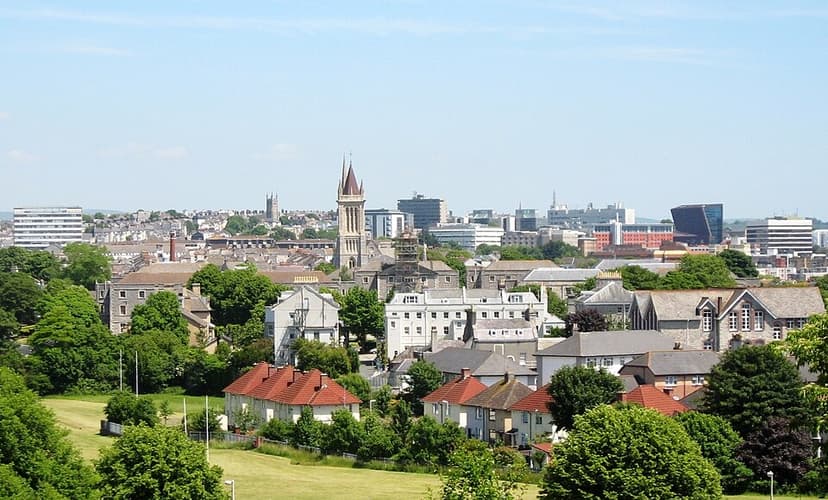
Plymouth Whitefriars
Plymouth Whitefriars, a former Dominican friary, was established in Plymouth, England, likely in the early 13th century. It played a role in the religious life of the town during the medieval period and was dissolved during the English Reformation. Today, remnants of the friary can be seen integrated into modern structures and public spaces, offering a glimpse into Plymouth's historical religious landscape.