
Plymouth Whitefriars
Plymouth Whitefriars, a former Dominican friary, was established in Plymouth, England, likely in the early 13th century. It played a role in the religious life of the town during the medieval period and was dissolved during the English Reformation. Today, remnants of the friary can be seen integrated into modern structures and public spaces, offering a glimpse into Plymouth's historical religious landscape.
Key Facts
- ›Likely founded in the early 13th century, making it one of the earliest Dominican foundations in England.
- ›The friary was part of the Dominican Order, also known as the Blackfriars.
- ›It was dissolved in 1538 as part of King Henry VIII's Dissolution of the Monasteries.
- ›Parts of the friary structure were later incorporated into other buildings, including the Guildhall.
- ›Archaeological investigations have uncovered significant remains, contributing to the understanding of its layout and history.
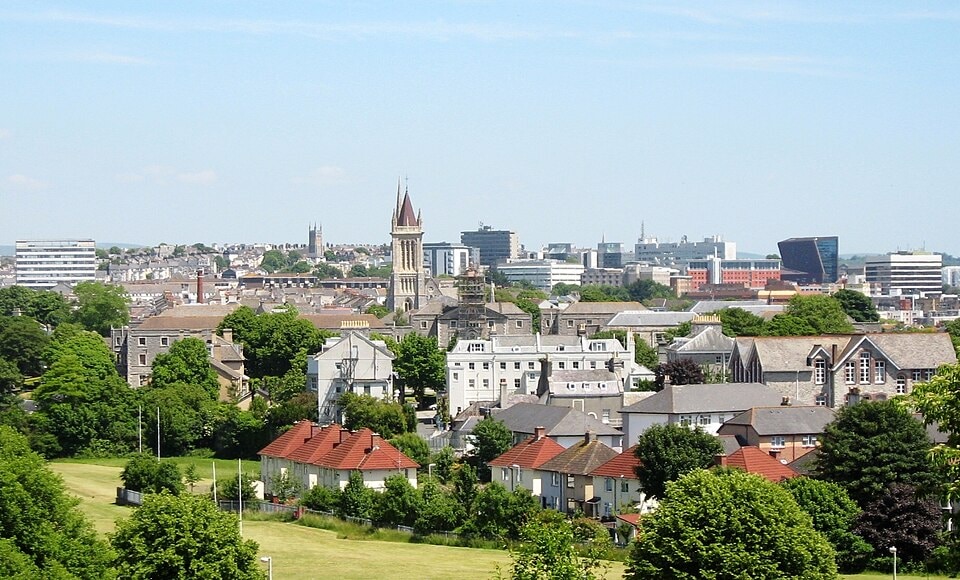
- Remnants of Medieval Friary Architecture Incorporated Into Modern Buildings
- Archaeological Evidence of Its Layout, Including Cloister Walks and Buildings
Blackfriars of Plymouth
Dissolution of the Monasteries
About Plymouth Whitefriars
Plymouth Whitefriars, also known historically as the Blackfriars of Plymouth, was a significant Dominican friary established in Plymouth, England. While precise details regarding its foundation are scarce, historical consensus places its establishment in the early 13th century, likely around the year 1240. This period marked a significant expansion for the Dominican Order across England, and the Plymouth friary would have served as a vital religious and educational center within the burgeoning port town.
As part of the Dominican Order, the friars at Plymouth would have been dedicated to preaching, study, and the spiritual welfare of the local populace. The friary complex would have included typical monastic buildings such as a church, cloister, dormitory, and refectory, although much of its original layout has been lost to time and subsequent development. The friary's existence is documented through various historical records and later archaeological investigations.
Sadly, like many religious institutions, Plymouth Whitefriars met its end during the turbulent era of the English Reformation. It was dissolved in 1538 under the directives of King Henry VIII, marking the end of its monastic life. Following the dissolution, the friary's buildings and lands were largely dismantled or repurposed. Archaeological excavations in the vicinity of the modern Plymouth Guildhall have uncovered substantial remains, including foundations and wall fragments, indicating the former presence and scale of the friary. These remnants offer a tangible connection to Plymouth's medieval religious heritage, even though the friary itself no longer stands as a complete structure.
Source: Wikipedia ↗
Frequently Asked Questions
When was Plymouth Whitefriars founded?
The exact founding date of Plymouth Whitefriars is not precisely recorded, but historical evidence suggests it was established in the early 13th century, likely around 1240. This places its origins in the early period of Dominican expansion in England.
What religious order was associated with Plymouth Whitefriars?
Plymouth Whitefriars belonged to the Dominican Order, also known as the Order of Preachers or the Blackfriars. This order was founded by Saint Dominic and is known for its emphasis on preaching and study.
What happened to Plymouth Whitefriars?
Like many monastic institutions, Plymouth Whitefriars was dissolved in 1538 during the Dissolution of the Monasteries under King Henry VIII. Its assets were seized by the Crown, and the buildings were subsequently dismantled or repurposed.
Are there any visible remains of Plymouth Whitefriars today?
While the friary no longer stands as a complete structure, remnants of its architecture have been discovered and integrated into later buildings. Notably, parts of the friary walls and foundations have been found incorporated into the foundations of the Plymouth Guildhall and other structures in the area, offering tangible links to its past.
What was the significance of Plymouth Whitefriars in its time?
As a Dominican friary, Plymouth Whitefriars would have served as a centre for religious life, preaching, and education within the town of Plymouth during the medieval period. It contributed to the spiritual landscape of the community before its dissolution.
Related Monasteries
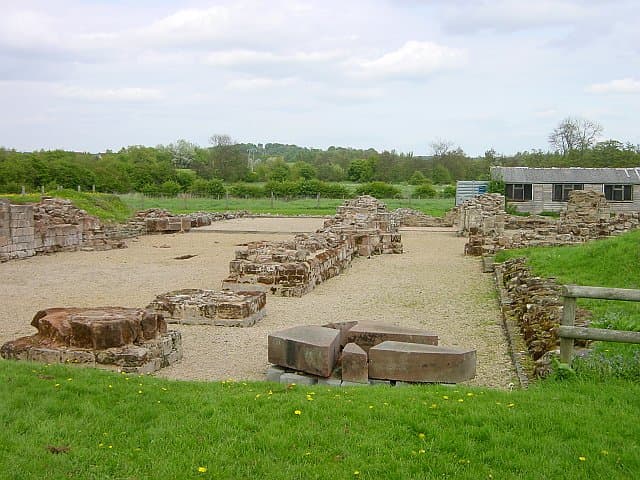
Bordesley Abbey
Bordesley Abbey was a significant 12th-century Cistercian monastery located in Worcestershire, England. Founded around 1138, it became a royal house under Empress Matilda and played a vital role as a local ecclesiastical and political center. The abbey was ultimately demolished in 1538 during the dissolution of the monasteries under Henry VIII, and its ruins are now an important archaeological site.
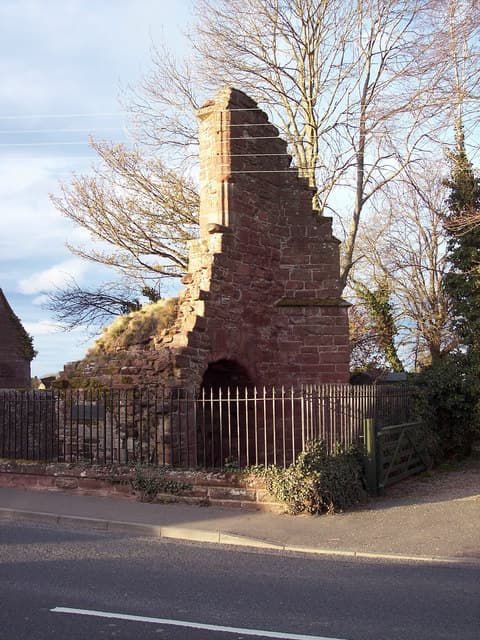
Coupar Angus Abbey
Coupar Angus Abbey was a significant Cistercian monastery founded in the mid-12th century in central Scotland. It grew to be a medium to large and wealthy institution, enduring over four centuries of monastic life before its dissolution and eventual dismantling. Today, only a ruined gatehouse and fragmented stonework remain, with its charters preserved as a notable survival.

Sint-Truiden Abbey
Sint-Truiden Abbey was a historically significant Benedictine monastery located in Sint-Truiden, Belgium, founded in the 7th century by Saint Trudo. It grew to become one of the most powerful abbeys in the Low Countries, with the town of Sint-Truiden developing around it. Although largely destroyed or demolished by the late 18th and 19th centuries, remnants of its Romanesque and Baroque structures, along with archaeological outlines, still mark its former grandeur and influence.