
Bordesley Abbey
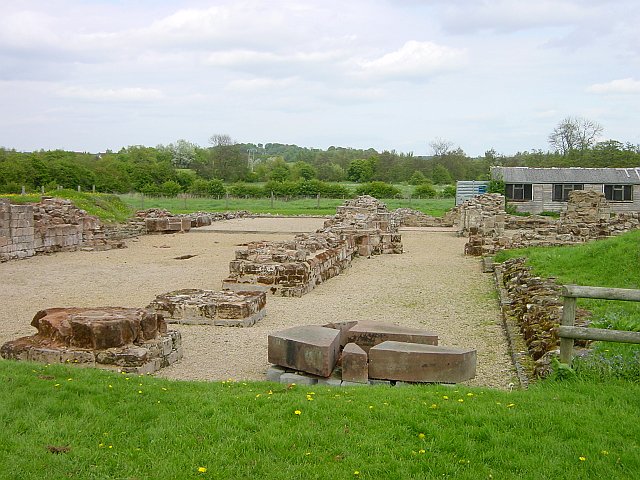
Bordesley Abbey was a significant 12th-century Cistercian monastery located in Worcestershire, England. Founded around 1138, it became a royal house under Empress Matilda and played a vital role as a local ecclesiastical and political center. The abbey was ultimately demolished in 1538 during the dissolution of the monasteries under Henry VIII, and its ruins are now an important archaeological site.
Key Facts
- ›Founded in the 12th century, likely around 1138.
- ›Became a royal house under Empress Matilda.
- ›Held political control over the township of Tardebigge.
- ›Demolished in 1538 during the dissolution of the monasteries.
- ›Ruins are an active archaeological site managed by the Forge MILL Needle Museum.
- ›Burial place of Guy de Beauchamp, 10th Earl of Warwick.
Cistercian
- Visible Earthworks and Walls
- Buried Structures Including A Watermill and Workshops
- Visitor Centre and Museum
- Archaeological Site Managed By Forge Mill Needle Museum
Waleran De Beaumont, Count of Meulan, Empress Matilda, John Day, Guy De Beauchamp, 10th Earl of Warwick
- Founded During the Anarchy
- Became A Royal House Under Empress Matilda
- Demolished During the Dissolution of the Monasteries
About Bordesley Abbey
Bordesley Abbey was a significant 12th-century Cistercian monastery situated near Redditch in Worcestershire, England. Its establishment is generally dated to around 1138, initiated by Waleran de Beaumont, Count of Meulan, who granted land to monks from Garendon Abbey. The abbey's allegiance shifted, and it became a royal house under Empress Matilda following Waleran's surrender to her. This historical context places its founding within the turbulent period known as The Anarchy.
Historical and Ecclesiastical Significance
As a prominent local ecclesiastical center, Bordesley Abbey wielded considerable political influence, holding control over the ancient township of Tardebigge. The monks faced the challenge of establishing their monastery on marshland along the River Arrow, requiring extensive drainage and land diversion. The abbey's construction progressed over several periods, with the church completed around 1150 and further substantial building occurring until the early 14th century. The monastic community also managed a network of granges, contributing to its economic importance through the sale of produce like cereal and wool.
Dissolution and Legacy
Bordesley Abbey met its end in 1538 during the dissolution of the monasteries under King Henry VIII, when its final abbot, John Day, surrendered the property. Subsequently, the land was sold, and the abbey was cleared. Today, the site remains an important archaeological area, with ongoing investigations by the University of Reading's 'Bordesley Abbey Project' since 1969. Visitors can explore the visible ruins and a visitor centre featuring excavated artifacts, which is integrated with the Forge Mill Needle Museum.
Source: Wikipedia ↗
Frequently Asked Questions
When was Bordesley Abbey founded?
Historians generally date the founding of Bordesley Abbey to 1138, though an alternative charter suggests 1136. It was established during a period of civil unrest in England known as The Anarchy.
Who founded Bordesley Abbey?
The abbey's foundation was initiated by Waleran de Beaumont, Count of Meulan, who provided land for monks from Garendon Abbey. Following Waleran's allegiance shift to Empress Matilda, she claimed patronage, making Bordesley a royal house.
What caused the destruction of Bordesley Abbey?
Bordesley Abbey was demolished in 1538 under the orders of King Henry VIII as part of the dissolution of the monasteries. Its lands and possessions were surrendered to the king and subsequently sold.
What can visitors see at Bordesley Abbey today?
Today, Bordesley Abbey is an archaeological site featuring visible earthworks and buried structures. Excavated items are displayed in a visitor centre and museum managed by the Forge Mill Needle Museum, which also offers guided tours.
What was the significance of Bordesley Abbey?
Bordesley Abbey was an important local ecclesiastical center and held significant political influence over the ancient township of Tardebigge. It was also a substantial agricultural enterprise, managing granges for produce like cereal and wool.
Related Monasteries
Plymouth Whitefriars
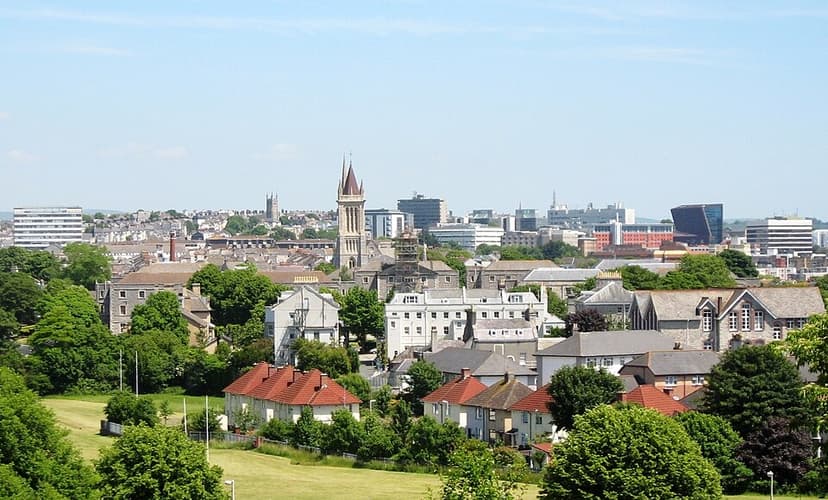
Plymouth Whitefriars, a former Dominican friary, was established in Plymouth, England, likely in the early 13th century. It played a role in the religious life of the town during the medieval period and was dissolved during the English Reformation. Today, remnants of the friary can be seen integrated into modern structures and public spaces, offering a glimpse into Plymouth's historical religious landscape.
Coupar Angus Abbey
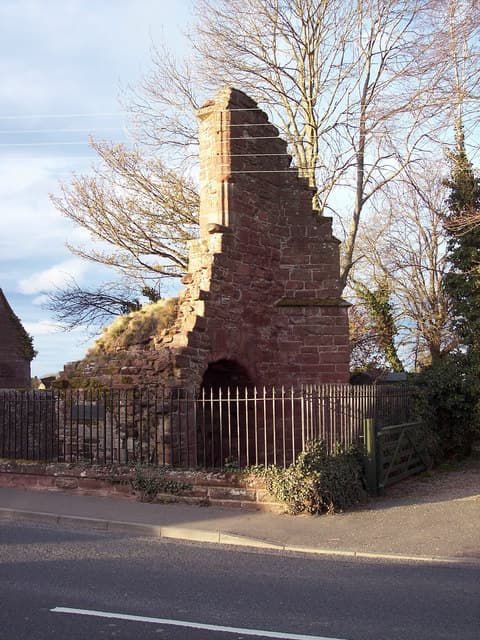
Coupar Angus Abbey was a significant Cistercian monastery founded in the mid-12th century in central Scotland. It grew to be a medium to large and wealthy institution, enduring over four centuries of monastic life before its dissolution and eventual dismantling. Today, only a ruined gatehouse and fragmented stonework remain, with its charters preserved as a notable survival.

Sint-Truiden Abbey
Sint-Truiden Abbey was a historically significant Benedictine monastery located in Sint-Truiden, Belgium, founded in the 7th century by Saint Trudo. It grew to become one of the most powerful abbeys in the Low Countries, with the town of Sint-Truiden developing around it. Although largely destroyed or demolished by the late 18th and 19th centuries, remnants of its Romanesque and Baroque structures, along with archaeological outlines, still mark its former grandeur and influence.