
Coupar Angus Abbey
Coupar Angus Abbey was a significant Cistercian monastery founded in the mid-12th century in central Scotland. It grew to be a medium to large and wealthy institution, enduring over four centuries of monastic life before its dissolution and eventual dismantling. Today, only a ruined gatehouse and fragmented stonework remain, with its charters preserved as a notable survival.
Key Facts
- ›Founded between 1161 and 1162 by Cistercian monks from Melrose Abbey.
- ›Royal patronage was provided by Máel Coluim IV, King of Scots.
- ›The church was dedicated by 1233, indicating substantial completion of buildings.
- ›It was the wealthiest Cistercian house in Scotland at the Reformation.
- ›Transformed into a secular lordship in the early 17th century.
- ›Almost no remains survive today, with much dismantled for stone.
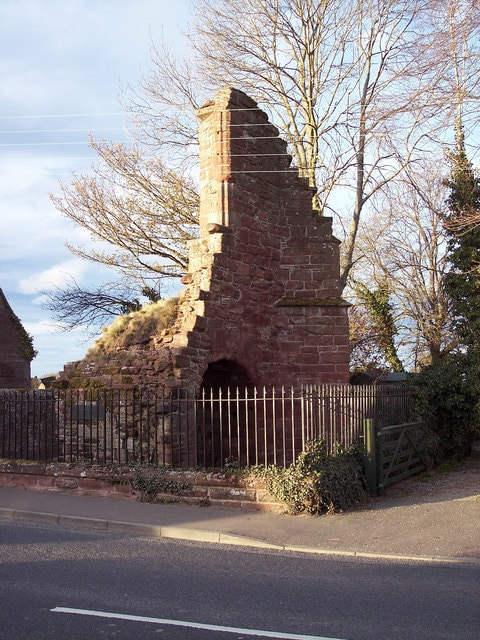
Ruined Gatehouse, Fragmentary Stonework, Surviving Collection of Charters
MáEl Coluim Iv, Donald Campbell, Katherine Campbell, James Elphinstone
- Suffered During Wars With England In the 14th Century
- Reportedly Burnt By Edward I In 1305
- Described As 'Exceedingly Impoverished' In A Papal Bull of 1351
- Entrusted To Katherine Campbell, Countess of Crawford In 1559
- Joined the Reformation Under Abbot Donald Campbell In 1559
- Turned Into A Secular Lordship In 1606-1607
About Coupar Angus Abbey
Coupar Angus Abbey was a prominent Cistercian monastery situated near the town of Coupar Angus in central Scotland, straddling the historical boundary between Angus and Gowrie. Its establishment occurred between 1161 and 1162, with the royal patronage of Máel Coluim IV, King of Scots, and was undertaken by Cistercian monks who originated from Melrose Abbey. While the foundation date is precise, the full establishment of the monastery may have extended to 1164.
By 1233, the abbey church had been dedicated, suggesting that the principal buildings were largely complete by this time. Over the ensuing centuries, Coupar Angus Abbey flourished, developing into an institution of considerable size and wealth. It experienced over four hundred years of continuous monastic life.
During the 14th century, the abbey faced hardship due to the wars with England; historical accounts indicate that one of its granges may have been burned by Edward I in 1305. A papal bull from 1351 described the abbey's buildings as "exceedingly impoverished." Despite these challenges, its fortunes improved in the later Middle Ages. By the time of the Scottish Reformation, it housed at least 24 monks and possessed an annual income of £5590, establishing it as the wealthiest Cistercian house in Scotland.
In 1559, Abbot Donald Campbell entrusted the abbey to his associate, Katherine Campbell, Countess of Crawford. Although Abbot Campbell joined the Reformation in 1559, religious life at Coupar Angus appears to have been maintained to high standards prior to this period.
The abbey's monastic function effectively ceased in the early 17th century. In 1606, it was converted into a secular lordship by an act of parliament, and this was further formalized by a royal charter in 1607. The abbey church may have continued to serve as the parish church for a time. However, following the death of Lord Coupar in 1669, it is probable that the abbey's structures were dismantled to provide building materials. Today, almost no substantial remains of the abbey are visible, with much of the site having been affected by the Protestant reformers. The most significant surviving elements include a collection of its charters and a heavily ruined gatehouse. Additional fragmented stonework, notably several tombs, has been preserved within the present-day parish church, which is located on or near the original medieval site. Other pieces of stonework have been incorporated into walls throughout the modern town of Coupar Angus.
The precise original layout of the abbey remains a subject of conjecture, as a drawing from 1820, purportedly showing its plan, has been found to be inaccurate. In the 19th century, there were accounts of women discovering a "Ley tunnel" near the entrance to the churchyard, with one woman reportedly disappearing after entering it. In 1982, a local mason rediscovered an entrance to a tunnel, which collapsed after he had ventured a short distance inside. Legends suggest this tunnel extended further to a souterrain at Pitcur, though this remains unverified.
Both the Abbey gatehouse and the Abbey precincts are recognized and protected as scheduled monuments in Scotland.
Source: Wikipedia ↗
Frequently Asked Questions
When was Coupar Angus Abbey founded?
Coupar Angus Abbey was founded between 1161 and 1162. The Cistercian monks from Melrose Abbey established the monastery with the support of King Malcolm IV of Scotland.
What happened to Coupar Angus Abbey after the Reformation?
Following the Reformation, the abbey was entrusted to Katherine Campbell, Countess of Crawford, in 1559. By 1606, it was converted into a secular lordship, and in subsequent years, its buildings were likely dismantled for building materials.
What remains of Coupar Angus Abbey today?
Today, very little of Coupar Angus Abbey remains. There is a heavily ruined gatehouse, and some fine fragmentary stonework, including tombs, has been preserved in the present parish church and built into walls in the modern town.
Was Coupar Angus Abbey wealthy?
Yes, Coupar Angus Abbey became an abbey of medium to large size and wealth. At the time of the Reformation, it had 24 monks and an income of £5590, making it the wealthiest Cistercian house in Scotland.
Is Coupar Angus Abbey a UNESCO World Heritage Site?
The provided information does not state whether Coupar Angus Abbey is a UNESCO World Heritage Site. However, the Abbey gatehouse and its precincts are designated as scheduled monuments.
Related Monasteries
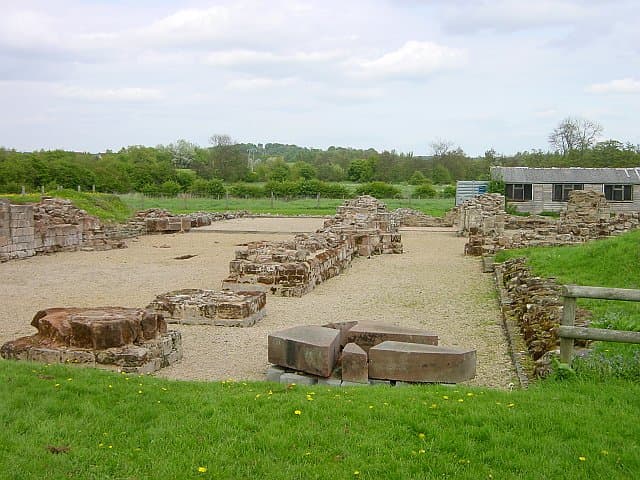
Bordesley Abbey
Bordesley Abbey was a significant 12th-century Cistercian monastery located in Worcestershire, England. Founded around 1138, it became a royal house under Empress Matilda and played a vital role as a local ecclesiastical and political center. The abbey was ultimately demolished in 1538 during the dissolution of the monasteries under Henry VIII, and its ruins are now an important archaeological site.
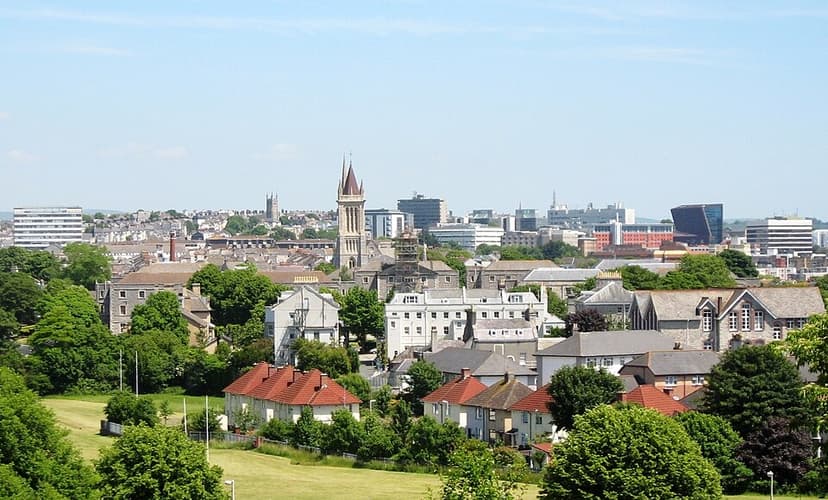
Plymouth Whitefriars
Plymouth Whitefriars, a former Dominican friary, was established in Plymouth, England, likely in the early 13th century. It played a role in the religious life of the town during the medieval period and was dissolved during the English Reformation. Today, remnants of the friary can be seen integrated into modern structures and public spaces, offering a glimpse into Plymouth's historical religious landscape.

Sint-Truiden Abbey
Sint-Truiden Abbey was a historically significant Benedictine monastery located in Sint-Truiden, Belgium, founded in the 7th century by Saint Trudo. It grew to become one of the most powerful abbeys in the Low Countries, with the town of Sint-Truiden developing around it. Although largely destroyed or demolished by the late 18th and 19th centuries, remnants of its Romanesque and Baroque structures, along with archaeological outlines, still mark its former grandeur and influence.