
Pipewell Abbey
Pipewell Abbey was an English Cistercian monastery founded in 1143 by William Butevilain as a daughter house of Newminster Abbey. Situated in the Northamptonshire hamlet of Pipewell within Rockingham Forest, it also held significant properties in neighboring Warwickshire, including several granges. The abbey was suppressed during the dissolution of the monasteries in 1538, with its assets seized by the Crown and sold off.
Key Facts
- ›Founded in 1143 by William Butevilain.
- ›Established as a daughter house of Newminster Abbey.
- ›Located in Pipewell, Northamptonshire, within Rockingham Forest.
- ›Held extensive properties in neighboring Warwickshire, including Cawston Grange.
- ›Suppressed and dissolved in 1538.
- ›The stones of the abbey were used to build Pipewell Hall nearby in 1675.

- Cawston Grange
- Properties At Bilton, Newbold-On-Avon, Toft, Church Lawford, Cawston, Thurlaston, Little Lawford, and Long Lawford
William Butevilain, Sir William Parr
Dissolution of the Monasteries
About Pipewell Abbey
Pipewell Abbey was an English Cistercian monastery established in 1143 by William Butevilain. It was founded as a daughter house of Newminster Abbey in Northumberland and was situated in the hamlet of Pipewell, within the historic Rockingham Forest in Northamptonshire.
Historical Context and Holdings
The abbey developed a significant landholding not only in Northamptonshire but also in the neighboring county of Warwickshire. In Warwickshire, its properties included several granges at villages such as Cawston, Thurlaston, Little Lawford, and Long Lawford, alongside holdings in Rugby, Bilton, Newbold-on-Avon, and Toft. Cawston Grange emerged as the most substantial and valuable of their Warwickshire estates, serving as the operational center for their activities in the region. The monks' presence in Warwickshire, then a largely rural area, indicates the economic and agricultural reach of the monastic order.
Dissolution and Legacy
During the widespread dissolution of the monasteries in 1538 under King Henry VIII, Pipewell Abbey and all its associated properties were seized by the Crown. These assets were subsequently sold off. The physical remains of the abbey at Pipewell were sold to Sir William Parr. Later, in 1675, the nearby Pipewell Hall was constructed using stones salvaged from the old abbey, marking a tangible, albeit repurposed, continuation of the site's history. Other Warwickshire properties, including Cawston, Bilton, and several Lawfords, were acquired by the Boughton family.
Source: Wikipedia ↗
Frequently Asked Questions
When was Pipewell Abbey founded?
Pipewell Abbey was founded in 1143. It was established by William Butevilain as a daughter house of Newminster Abbey.
What religious order did Pipewell Abbey belong to?
Pipewell Abbey was an English Cistercian abbey. The Cistercian order is a branch of the Catholic Church known for its monastic traditions.
Where was Pipewell Abbey located?
The abbey was situated in the Northamptonshire hamlet of Pipewell, within the historic Rockingham Forest. It also controlled properties in the neighboring county of Warwickshire.
What happened to Pipewell Abbey?
Pipewell Abbey was seized by the Crown and sold off during the dissolution of the monasteries in 1538. The abbey ruins were later used to construct Pipewell Hall nearby in 1675.
Did Pipewell Abbey own land outside of Northamptonshire?
Yes, Pipewell Abbey held significant properties in the neighboring county of Warwickshire. These included several granges and other estates, with Cawston Grange being the largest and most valuable.
Related Monasteries
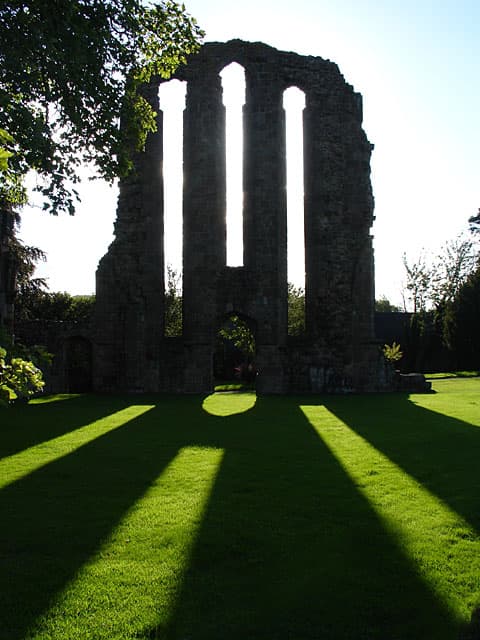
Croxden Abbey
Croxden Abbey was a Cistercian monastery located in Staffordshire, United Kingdom, founded in the 12th century by Bertram III de Verdun. It was a daughter house of the abbey in Aunay-sur-Odon, Normandy, and initially prospered through sheep farming, becoming a significant wool supplier. The abbey faced decline due to financial strains and disputes, eventually being dissolved in 1538 under the Suppression of Religious Houses Act.
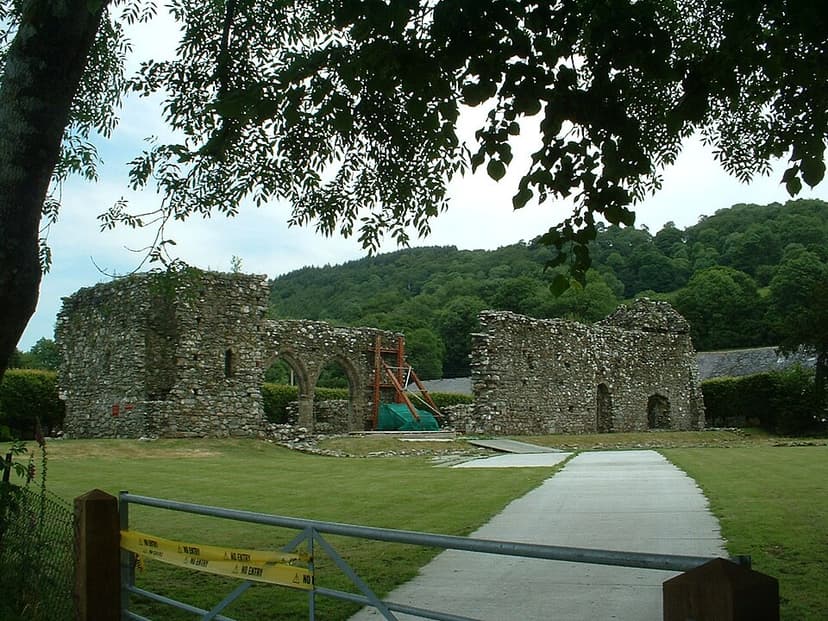
Cymer Abbey
Cymer Abbey was a ruined Cistercian monastery founded in 1189 near Llanelltyd, Gwynedd, Wales, and dedicated to the Virgin Mary. Despite royal patronage and land grants, the abbey struggled financially due to limited arable land and fishing rights, exacerbated by Welsh Wars and climate change. Dissolved in 1536-37, its remains are now managed by Cadw and are open to the public.
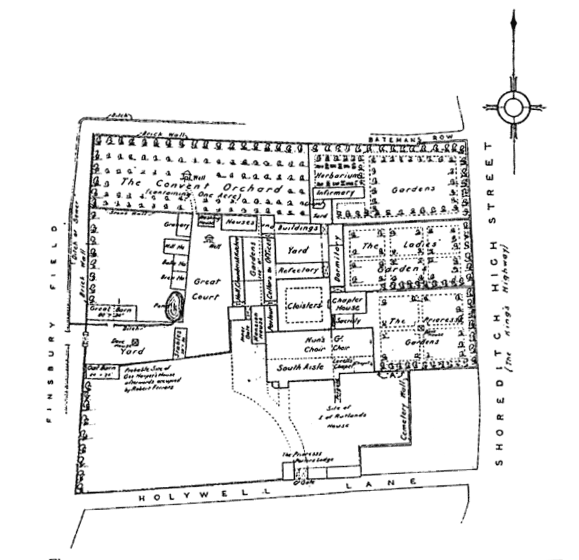
Haliwell Priory
Holywell Priory, formally the Priory of St John the Baptist, was an Augustinian nunnery located in Shoreditch, London. Established in the 12th century, it grew through endowments, including significant contributions from Sir Thomas Lovell in the reign of Henry VII, who virtually refounded the house and was buried there. The priory played a role in local social and economic life until its dissolution in 1539, after which its grounds later became the site of "The Theatre," an early playhouse associated with William Shakespeare.