
Newminster Abbey
Newminster Abbey was a Cistercian monastery founded in 1137 in Northumberland, England. It was established by Ranulph de Merlay and his wife Juliana, with Saint Robert of Newminster serving as its first abbot. The abbey became a significant religious site and possessed extensive lands before its closure and dissolution in 1537, with its stones later repurposed for other buildings.
Key Facts
- ›Founded in 1137 by Ranulph de Merlay and Juliana.
- ›Saint Robert of Newminster was its first abbot, later canonized.
- ›The abbey established daughter houses at Pipewell, Sawley, and Roche.
- ›Closed and dissolved in 1537.
- ›Site is protected by Grade II listed building and Scheduled Ancient Monument status.
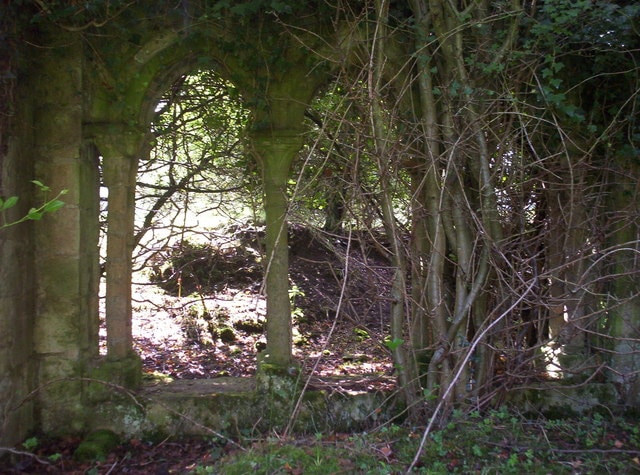
Tomb of Saint Robert of Newminster, Extensive Landholdings By 1240
Saint Robert of Newminster, Ranulph De Merlay, Juliana
Burned In An Attack By Scottish Raiders, Dissolution of the Monasteries
About Newminster Abbey
Newminster Abbey was a significant Cistercian monastery located in Northumberland, in the north of England. Founded in 1137 by Ranulph de Merlay, lord of Morpeth, and his wife Juliana, the abbey was established with Saint Robert of Newminster, a monk from Fountains Abbey, appointed as its first abbot. Saint Robert governed the community from 1138 to 1159, and his tomb beneath the high altar later became a shrine, with numerous miracles attributed to him, leading to his canonization.
Early Development and Expansion
Shortly after its foundation, the abbey, then consisting of timber buildings, was attacked and burned by Scottish raiders in 1138. Construction resumed, and by 1240, the abbey's landholdings had expanded considerably. These acquisitions included fisheries at Benton-on-Tyne, saltpans at Cambois on the east coast, and extensive summer pastures for sheep near the Scottish border at Kidland. The abbey also played a role in establishing other Cistercian houses, founding daughter abbeys at Pipewell in Northamptonshire, Sawley near Clitheroe in Lancashire, and Roche near Rotherham in South Yorkshire.
Dissolution and Later History
Newminster Abbey ceased to function as a religious institution during the first wave of the Dissolution of the Monasteries in 1537. Following its closure, the Crown leased the estate to the Grey family, who are noted for repurposing many of the abbey's stones for their own constructions. The estate, including the abbey site, was subsequently sold by the Crown to Robert Brandling in 1609 and later sold on by the Brandling family to John Ord in 1709. Today, the site remains in private ownership, and direct public access is not permitted. However, the ruins can be viewed from an adjacent hill and a public footpath that runs along the west side of the property. The site holds protected status as a Grade II listed building and a Scheduled Ancient Monument.
Source: Wikipedia ↗
Frequently Asked Questions
When was Newminster Abbey founded?
Newminster Abbey was founded in 1137. Its first abbot, Saint Robert of Newminster, governed the abbey from 1138 to 1159.
Who founded Newminster Abbey?
The abbey was founded by Ranulph de Merlay, the lord of Morpeth, and his wife, Juliana. They were significant benefactors in the abbey's early years, along with other local barons.
What happened to Newminster Abbey after its dissolution?
After its closure during the dissolution in 1537, the estate was leased by the Crown. Many of the abbey's stones were used for other buildings by the Grey family, who leased the estate.
Can I visit Newminster Abbey?
The site of Newminster Abbey is in private ownership, and there is no public access or parking directly at the site. However, it can be viewed from a hill above and from a public footpath on its west side.
What is Saint Robert of Newminster known for?
Saint Robert of Newminster, the first abbot, was a significant figure whose tomb became a shrine and place of pilgrimage. A number of miracles were attributed to him, leading to his canonization.
Related Monasteries
Meaux Abbey
Meaux Abbey was a Cistercian monastery founded in 1151 by William le Gros near Beverley, England. It played a significant role in regional history, notably selling land to King Edward I for the establishment of Kingston upon Hull. The abbey was closed and demolished during the Dissolution of the Monasteries in 1539.

Rievaulx Abbey
Rievaulx Abbey was a significant Cistercian monastery in North Yorkshire, England, founded in 1132 and becoming one of the great abbeys in the country. Despite periods of great financial prosperity and expansion, it faced challenges like debt and population decline, leading to a relaxation of its strict observances. The abbey was ultimately dissolved in 1538 under Henry VIII and its impressive ruins are now a major tourist attraction managed by English Heritage.

West Lulworth Priory
Bindon Abbey was a Cistercian monastery founded in 1149, initially located near Lulworth Cove before relocating to a more sustainable site near Wool in 1172. Despite royal patronage and market rights, the abbey faced significant financial and internal difficulties from the 14th century, leading to its suppression in 1539. Today, only ruins remain, offering insights into Cistercian architecture and a notable literary appearance in Thomas Hardy's "Tess of the d'Urbervilles."