
Rievaulx Abbey
Rievaulx Abbey was a significant Cistercian monastery in North Yorkshire, England, founded in 1132 and becoming one of the great abbeys in the country. Despite periods of great financial prosperity and expansion, it faced challenges like debt and population decline, leading to a relaxation of its strict observances. The abbey was ultimately dissolved in 1538 under Henry VIII and its impressive ruins are now a major tourist attraction managed by English Heritage.
Key Facts
- ›Founded in 1132 by twelve monks from Clairvaux Abbey.
- ›Was the first Cistercian monastery in the north of England.
- ›Became one of the wealthiest abbeys in England, with extensive land holdings and a profitable iron and lead mining business.
- ›Experienced significant decline in numbers and financial hardship by the late 14th century.
- ›Dissolved in 1538 under Henry VIII and its buildings were stripped of valuables.
- ›The ruins are now a tourist attraction maintained by English Heritage.

Ruins of Main Buildings, Terraced Walk Overlooking the Ruins, Grecian-Style Temples, Site of Former Iron-Manufacturing
Saint Aelred of Rievaulx, Walter Espec, William I
Founded In 1132, Dissolution of the Monasteries In 1538
About Rievaulx Abbey
Rievaulx Abbey, located near Helmsley in the North York Moors National Park, was a foundational Cistercian monastery in northern England. Established in 1132 by twelve monks from Clairvaux Abbey, its remote, wooded valley setting was ideal for the Cistercian pursuit of prayer, self-sufficiency, and limited contact with the outside world. Under its second abbot, Saint Aelred, the abbey grew significantly, becoming one of the most important Cistercian houses in Yorkshire, with a community estimated to number 140 monks and 500 lay brothers at its peak.
Financial Prosperity and Challenges
The monks of Rievaulx demonstrated considerable technical ingenuity, notably in diverting the River Rye to create arable land and in developing profitable ventures such as lead and iron ore mining, and sheep farming. This led to substantial wealth and influence, with the abbey eventually owning 6,000 acres and establishing five daughter houses in England and Scotland. However, by the end of the 13th century, financial difficulties arose due to building project debts and losses from sheep scab. The early 14th century brought further hardship from Scottish raids, and the Black Death in the mid-14th century severely impacted the availability of lay brothers for manual labor, forcing the abbey to lease much of its land. By 1381, the community had dwindled to only fourteen choir monks and three lay brothers.
Decline and Dissolution
By the 15th century, the strict Cistercian observances of the Rule of Saint Benedict had largely been abandoned in favor of a more comfortable lifestyle, with monks permitted to eat meat and enjoying more private living quarters. The abbey continued to face internal issues, with a period of discord regarding its leadership in the 1530s. At the time of its dissolution in 1538 under Henry VIII, Rievaulx Abbey comprised 72 buildings, with an abbot, 21 monks, and 102 lay employees, generating an annual income of £351. The confiscated buildings were stripped of valuables and rendered uninhabitable, with the site eventually granted to Thomas Manners, 1st Earl of Rutland.
Post-Monastic Era and Preservation
Following the Dissolution, Rievaulx remained an important iron-manufacturing site through the late 16th and 17th centuries. In the 1750s, the owner Thomas Duncombe III beautified the estate by creating a terraced walk overlooking the ruins, designed to enhance their picturesque qualities, featuring two Grecian-style temples now under the care of the National Trust. In the 20th century, the abbey ruins were recognized as a historic monument and placed under the care of the State, now managed by English Heritage. Archaeological surveys in the 21st century continue to deepen the understanding of the abbey precinct and its surrounding landscape. Rievaulx Abbey's ruins are a significant tourist attraction, drawing visitors to experience its historical and scenic grandeur.
Source: Wikipedia ↗
Frequently Asked Questions
When was Rievaulx Abbey founded?
Rievaulx Abbey was founded in 1132. It was established by twelve monks who came from Clairvaux Abbey in France.
What religious order did Rievaulx Abbey belong to?
Rievaulx Abbey belonged to the Cistercian order. It was the first Cistercian monastery established in the north of England.
What was the significance of Rievaulx Abbey?
Rievaulx Abbey became one of the great abbeys in England and was known for its financial prosperity, stemming from activities like lead and iron mining, and sheep farming. It also played a role in the development of the Cistercian order in England and Scotland through its daughter houses.
What happened to Rievaulx Abbey?
Rievaulx Abbey was seized and dissolved in 1538 under King Henry VIII during the Dissolution of the Monasteries. The buildings were rendered uninhabitable and stripped of their valuables.
Can visitors see Rievaulx Abbey today?
Yes, the ruins of Rievaulx Abbey are a major tourist attraction. They are owned and maintained by English Heritage, and visitors can explore the site.
What is unique about Rievaulx Abbey's location?
Rievaulx Abbey is situated in a wooded dale by the River Rye, sheltered by hills. The monks ingeniously diverted the river's course to create sufficient flat land for construction.
Related Monasteries
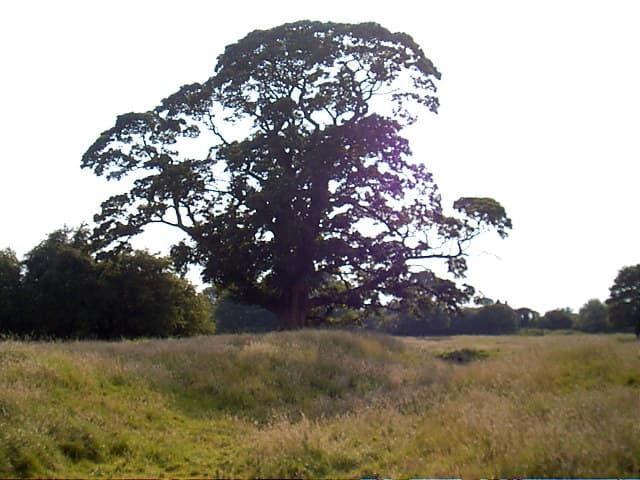
Meaux Abbey
Meaux Abbey was a Cistercian monastery founded in 1151 by William le Gros near Beverley, England. It played a significant role in regional history, notably selling land to King Edward I for the establishment of Kingston upon Hull. The abbey was closed and demolished during the Dissolution of the Monasteries in 1539.

Newminster Abbey
Newminster Abbey was a Cistercian monastery founded in 1137 in Northumberland, England. It was established by Ranulph de Merlay and his wife Juliana, with Saint Robert of Newminster serving as its first abbot. The abbey became a significant religious site and possessed extensive lands before its closure and dissolution in 1537, with its stones later repurposed for other buildings.

West Lulworth Priory
Bindon Abbey was a Cistercian monastery founded in 1149, initially located near Lulworth Cove before relocating to a more sustainable site near Wool in 1172. Despite royal patronage and market rights, the abbey faced significant financial and internal difficulties from the 14th century, leading to its suppression in 1539. Today, only ruins remain, offering insights into Cistercian architecture and a notable literary appearance in Thomas Hardy's "Tess of the d'Urbervilles."