
Nechung Temple
Tibetan Buddhism·China·Restored, active with a new location in exile
Nechung Monastery, also known as Nechung Gompa or Nechung Chok, is historically the seat of the State Oracle of Tibet and the residence of the protector deity Pehar Gyalpo. It served as a vital spiritual center, with the Dalai Lamas traditionally consulting the Oracle before making significant decisions. Though largely destroyed during the Cultural Revolution, it has been substantially restored and continues its tradition of spiritual consultation.
Key Facts
- ›It is the historical seat of the State Oracle of Tibet.
- ›It served as the residence of the protector deity Pehar Gyalpo.
- ›The State Oracle was traditionally consulted by the Dalai Lamas for important decisions.
- ›The monastery was significantly damaged during the Cultural Revolution.
- ›It has been largely restored and features a new statue of Guru Rinpoche.
- ›A new Nechung Monastery has been established in Dharamsala, India.
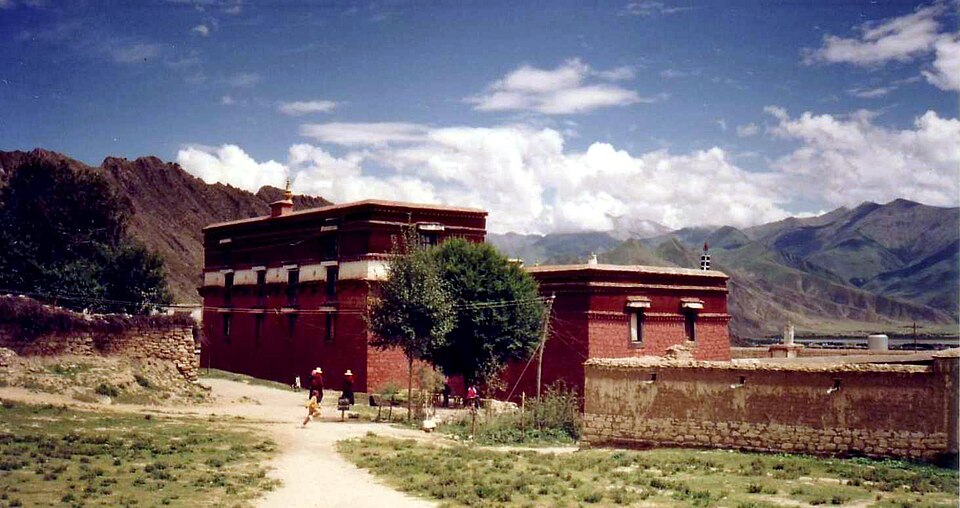
Seat of the State Oracle of Tibet, Residence of Pehar Gyalpo, New Statue of Guru Rinpoche
Nechung Gompa, Nechung Chok, Sungi Gyelpoi Tsenkar, the "Demon Fortress of the Oracle King", Naiqung GöNba, Naiqung Jog, 乃琼寺
Padmasambhava, Lobsang Gyatso, Tara Lugong, Dorje Drakden
- Brought To Samye Monastery By Padmasambhava
- Brought Back By Bon General Tara Lugong
- Moved From Samye To Tse Gugtang, Then To Present Site By Fifth Dalai Lama
- State Oracle Fled With Dalai Lama To India In 1959
- Almost Completely Destroyed During the Cultural Revolution
About Nechung Temple
Nechung Monastery
Nechung Monastery, also known by its Tibetan names Nechung Gompa and Nechung Chok, is historically recognized as the seat of the State Oracle of Tibet. Situated a short distance from Drepung Monastery, it was traditionally the residence of Pehar Gyalpo, a powerful protector deity, and served as the spiritual center from which the State Oracle, or Nechung Oracle, would offer guidance. This role made it a crucial site, as the Dalai Lamas historically consulted the Oracle before making significant decisions.
History and Significance
The origins of the protector deity Pehar are steeped in tradition, with some accounts attributing his arrival in Tibet to Padmasambhava, who bound him to protect the Buddhist dharma. Another narrative suggests he was brought back by a Bon general in the late 8th century CE. During the reign of the Fifth Dalai Lama in the 17th century, Pehar was moved from Samye Monastery to its current location at Nechung. Although the State Oracle is a Nyingma monk, he has been adopted by the Gelug school, being chosen for his unique receptivity to possession by Pehar during trance.
When possessed by Pehar, the Oracle is said to exhibit extreme agitation, superhuman strength, and speak words that are then interpreted by monks. This practice draws from pre-Buddhist Tibetan traditions, with the Fifth Dalai Lama being credited with institutionalizing the State Oracle of Nechung. The monastery, which once housed around a hundred monks, was tragically almost entirely destroyed during the Cultural Revolution. However, it has since undergone substantial restoration, including the addition of a large new statue of Guru Rinpoche on its second floor. A new Nechung Monastery has also been established in Dharamsala, India, to continue the tradition of the State Oracle in exile.
Source: Wikipedia ↗
Frequently Asked Questions
What is Nechung Monastery known for?
Nechung Monastery is primarily known as the historical seat of the State Oracle of Tibet. It was where the State Oracle, believed to be possessed by the deity Pehar, would give pronouncements and guidance, especially to the Dalai Lamas.
Who is the deity associated with Nechung Monastery?
The monastery is associated with Pehar Gyalpo, a protector deity, and Dorje Drakden, an aspect of Pehar. According to tradition, Padmasambhava brought Pehar to Samye Monastery to protect the dharma.
What happened to Nechung Monastery during the Cultural Revolution?
Nechung Monastery was almost completely destroyed during the Cultural Revolution and the annexation of Tibet by China. However, it has since been largely restored.
Where is the State Oracle now?
The State Oracle fled with the Dalai Lama to India in 1959 and now resides in exile in Dharamsala. A new Nechung Monastery has also been built in Dharamsala to house the Oracle there.
What is the tradition of the Tibetan State Oracle?
Tibetan oracles act as mouthpieces for deities or spirits who possess them during a trance-like state. Unlike some Central Asian shamans, they do not typically leave their bodies but speak directly to those consulting them, often without their own conscious awareness.
What is the religious tradition of the State Oracle?
Although the State Oracle is traditionally a Nyingma monk, he has been adopted by the Gelugpas. He is chosen for his receptivity to possession by Pehar and is considered the medium for Dorje Drakden, one of Pehar's aspects.
Related Monasteries

Dorje Drak
Dorje Drak, also known as Indestructible Rock Vihara, is a significant Tibetan Buddhist monastery of the Nyingma school, recognized as one of its 'Six Mother Monasteries' in Tibet. Originally founded as Ewam Chogar Gompa, it was enlarged and renamed Dorje Drak following the discovery of auspicious natural signs. The monastery has a history marked by destruction and rebuilding, most notably its relocation in 1632 and subsequent destruction during the 1960s, leading to a new foundation in India.

Dzogchen
Dzogchen Monastery is a significant "Mother Monastery" of the Nyingma tradition of Tibetan Buddhism, historically located in Kham and re-established in South India. Founded in 1684 by Pema Rigdzin, it became renowned for its Sri Singha Shedra and was once the largest Nyingma monastery, housing thousands of monks and numerous branches. Despite significant destruction in the 20th century, it has been rebuilt in both Tibet and India, continuing its role as a major center for Buddhist teachings and practice.

Gonchen Monastery
Gonchen Monastery, also known as Derge Monastery, is a significant Sakya Tibetan Buddhist monastery situated in the town of Derge, within the Kham region of Sichuan, China. Founded by the renowned polymath Thang Tong Gyalpo, it is recognized for its unique architectural design and its association with the historic Derge Parkhang printing house, which continues to produce Buddhist scriptures using traditional methods. Though largely destroyed during the Cultural Revolution, the monastery was restored in the 1980s and remains a vital center for Tibetan Buddhism.