
Gonchen Monastery
Gonchen Monastery, also known as Derge Monastery, is a significant Sakya Tibetan Buddhist monastery situated in the town of Derge, within the Kham region of Sichuan, China. Founded by the renowned polymath Thang Tong Gyalpo, it is recognized for its unique architectural design and its association with the historic Derge Parkhang printing house, which continues to produce Buddhist scriptures using traditional methods. Though largely destroyed during the Cultural Revolution, the monastery was restored in the 1980s and remains a vital center for Tibetan Buddhism.
Key Facts
- ›Founded by the Buddhist yogi and polymath Thang Tong Gyalpo.
- ›Features unique striped walls in white, dark red, and gray, characteristic of the Sakya sect.
- ›Houses the Derge Parkhang, a printing house established in 1729 that still prints scriptures from wooden blocks.
- ›Was completely destroyed during the Cultural Revolution.
- ›Restored in the 1980s with inner sanctums dedicated to Guru Rinpoche, Sakyamuni Buddha, and Maitreya.
- ›Located in the ethnic Tibetan cultural region of Kham.

Tibetan
- Derge Parkhang
- Wooden Block Printing
- Unique Wall Striping
- Chapels Dedicated To Guru Rinpoche, Sakyamuni Buddha, and Maitreya
Derge Monastery
Thang Tong Gyalpo
Destruction During the Cultural Revolution, Restoration In the 1980s, Protest Involving Monks In 2009
About Gonchen Monastery
Gongchen Monastery, also referred to as Derge Monastery, is a prominent Sakya Tibetan Buddhist monastery located in Derge, within the Kham region of Sichuan, China. Its name, "Gonchen," translates to "great monastery," reflecting its considerable size and significance.
History and Founding
The monastery was established by Thang Tong Gyalpo (1385–1464), a remarkable figure known for his diverse talents as a Buddhist yogi, physician, inventor, and artist. He is particularly celebrated for founding Tibetan opera (Ache Lhamo) and constructing numerous iron suspension bridges across the Himalayan region. The monastery served as a major religious and cultural center for the Sakya sect.
Destruction and Restoration
Gonchen Monastery suffered complete devastation during the Cultural Revolution. However, significant restoration efforts commenced in the 1980s, leading to the rebuilding of its inner sanctums. These restored chapels are now dedicated to important Buddhist figures: Guru Rinpoche (Padmasambhava), Sakyamuni Buddha, and the future Buddha, Jampa (Maitreya).
Derge Parkhang (Printing House)
A key feature associated with Gonchen Monastery is the Derge Parkhang, or Printing House, established in 1729. This historic facility remains operational, utilizing traditional handwork and wooden blocks to print Buddhist scriptures, including the Kangyur and Tengyur. It houses approximately 217,000 engraved blocks and continues to produce around 2,500 pages daily without the use of electricity. The administrative building opposite the monastery is noted for its protective measures against earthquakes and fire.
Architecture and Significance
The monastery's architecture is distinctive, characterized by its striped walls in white, dark red, and gray, colors that are unique to the Sakya sect. While the monastery itself was rebuilt, its historical association with the Derge Parkhang and its continued role in preserving Tibetan Buddhist traditions underscore its enduring cultural and religious importance.
Source: Wikipedia ↗
Frequently Asked Questions
When was Gonchen Monastery founded?
Gonchen Monastery was founded by Thang Tong Gyalpo, a prominent Buddhist figure, between 1385 and 1464. This places its founding in the 14th or 15th century.
What is the significance of the Derge Parkhang printing house?
The Derge Parkhang, built in 1729, is a famous printing house adjacent to Gonchen Monastery. It continues to print Buddhist scriptures, including the Kangyur and Tengyur, from wooden blocks using traditional, non-electric handwork. It houses an extensive collection of engraved scripture blocks.
What happened to Gonchen Monastery during the Cultural Revolution?
Gonchen Monastery was completely destroyed during the Cultural Revolution. However, it underwent restoration efforts and was rebuilt in the 1980s.
What are the unique architectural features of Gonchen Monastery?
Gonchen Monastery is noted for its distinctive design, featuring striped walls in white, dark red, and gray. These color combinations are unique to the Sakya sect of Tibetan Buddhism.
Is Gonchen Monastery still an active religious site?
Yes, Gonchen Monastery was restored in the 1980s and its inner sanctums are dedicated to significant Buddhist figures. The Derge Parkhang continues to operate, indicating its ongoing religious and cultural importance.
Related Monasteries
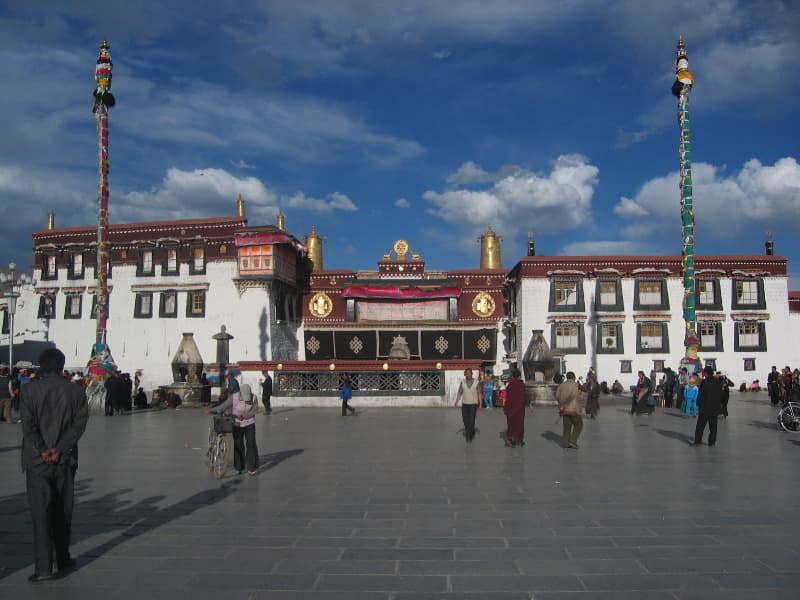
Jokhang Temple
The Jokhang Temple, also known as Rasa Trulnang or Zuglagkang, is a Tibetan Buddhist temple complex and monastery in Lhasa, considered the spiritual heart of the city. Constructed around 640 CE by King Songsten Gampo, it was built to house the Jowo Mikyo Dorje statue. Over centuries, it has undergone expansions and renovations, most notably by the Fifth Dalai Lama in 1610, and was designated a UNESCO World Heritage Site in 2000 as an extension of the Potala Palace.
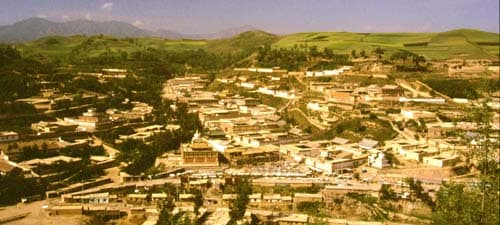
Kumbum Monastery
Kumbum Monastery, also known as Ta'er Temple, is a significant Tibetan Buddhist monastery founded in 1583 in Lusar, Qinghai, China. It holds a prominent place in Tibetan Buddhism, second only to Lhasa's Drepung Monastery. The monastery is renowned for its origins tied to Je Tsongkhapa, the founder of the Gelug school, and the miraculous "Tree of Great Merit" that grew from his birthplace.
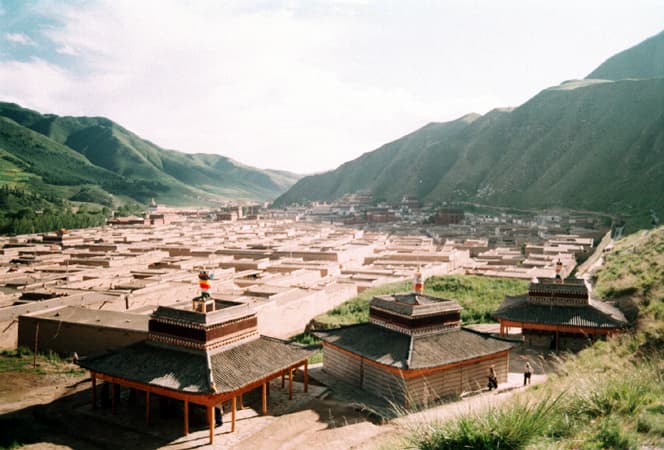
Labrang Monastery
Labrang Monastery, also known by its formal Tibetan name Genden Shédrup Dargyé Trashi Gyésu khyilwé Ling, is one of the six great monasteries of the Gelug school of Tibetan Buddhism. Founded in 1709 by Je Lama Tsongkhapa, it is the largest Tibetan Buddhist monastery outside the Tibet Autonomous Region and was a significant monastic university and regional power base in Amdo. The complex features a blend of Tibetan and Indian Vihara architectural styles and houses numerous halls, institutes of learning, and a museum.