
Jokhang Temple
The Jokhang Temple, also known as Rasa Trulnang or Zuglagkang, is a Tibetan Buddhist temple complex and monastery in Lhasa, considered the spiritual heart of the city. Constructed around 640 CE by King Songsten Gampo, it was built to house the Jowo Mikyo Dorje statue. Over centuries, it has undergone expansions and renovations, most notably by the Fifth Dalai Lama in 1610, and was designated a UNESCO World Heritage Site in 2000 as an extension of the Potala Palace.
Key Facts
- ›Built around 640 CE by King Songsten Gampo.
- ›Houses the revered Jowo Shakyamuni statue, brought by his Chinese wife, Princess Wencheng.
- ›Located in Barkhor Square, the commercial and pilgrimage center of Lhasa.
- ›Design and construction involved Nepalese artists and craftsmen.
- ›Became a UNESCO World Heritage Site in 2000.
- ›Suffered damage during the Cultural Revolution but was renovated between 1972 and 1980.
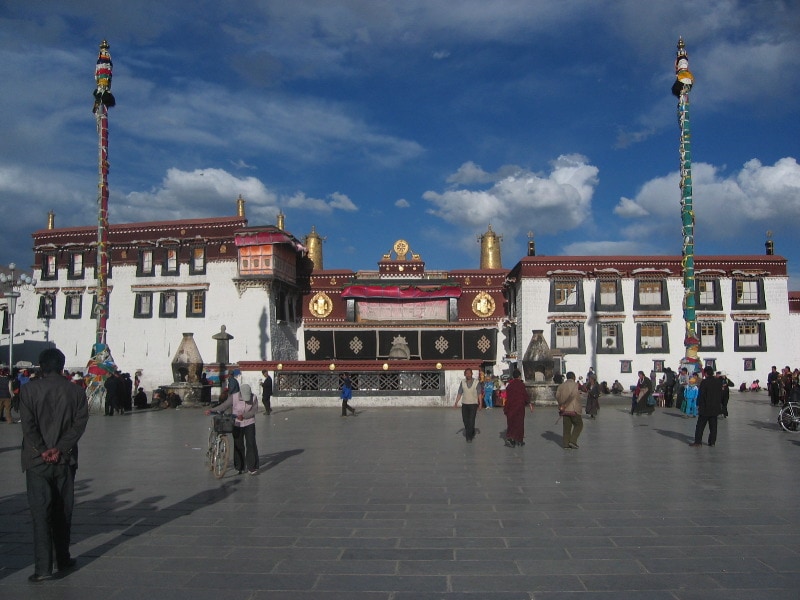
Tibetan Buddhist, Chinese, Indian Vihara, Nepalese
Jowo Shakyamuni Statue, Barkhor Square Pilgrimage Route, Tang Dynasty-Tubo Peace Alliance Tablet, Golden Deer Statues On Rooftop, Murals Depicting Historical Events
Rasa Trulnang, Qoikang Monastery, Zuglagkang, Tsuklakang, Dazhao
King Songsten Gampo, Queen Bhrikuti, Princess Wencheng, Fifth Dalai Lama, Atisha
- Construction By King Songsten Gampo
- Construction of Oldest Part In 652 Ce
- Persecution of Buddhists During King Tresang Detsan's Reign
- Use As Stables During Anti-Buddhist Activity
- Association With Vajrasana In India From 14th Century
- Restriction On Nepalese Visits In 1792
- Attack By Red Guards In 1966
- Renovation From 1972 To 1980
- Designated Unesco World Heritage Site In 2000
- Fire Incident In 2018
About Jokhang Temple
The Jokhang Temple, also historically known as Rasa Trulnang or Zuglagkang, is a revered Tibetan Buddhist temple complex and monastery situated in Barkhor Square, at the spiritual heart of Lhasa. Established around 640 CE by King Songsten Gampo, its initial purpose was to house the Jowo Mikyo Dorje, a statue brought by his Nepalese queen, Bhrikuti. The temple's construction and design benefited from the expertise of numerous Nepalese and Indian artists and craftsmen.
Over the centuries, the Jokhang Temple has undergone significant architectural developments and renovations, with the Fifth Dalai Lama undertaking a major refurbishment in 1610. It is renowned for housing the Jowo Shakyamuni statue, a highly sacred image brought by King Songsten Gampo's Tang dynasty Chinese wife, Princess Wencheng, which became the country's most-revered statue. The temple's architecture is a blend of Tibetan Buddhist styles, incorporating influences from China, India, and Nepal.
Despite facing periods of persecution and damage, notably during the Cultural Revolution in 1966 when worship ceased for a decade, the Jokhang Temple was meticulously renovated between 1972 and 1980. It was recognized for its cultural and religious significance when it was designated a UNESCO World Heritage Site in 2000, as an extension of the Potala Palace. Today, it remains the holiest shrine in Tibet, drawing numerous pilgrims and visitors who come to worship and admire its historical and religious treasures.
Source: Wikipedia ↗
Frequently Asked Questions
When was the Jokhang Temple built?
The Jokhang Temple was built around 640 CE by King Songsten Gampo. The oldest part of the temple was completed in 652 CE. It has undergone several renovations and expansions over the centuries, with the last major renovation carried out in 1610 by the Fifth Dalai Lama.
What is the most important statue housed in the Jokhang Temple?
The most revered statue housed in the Jokhang Temple is the Jowo Shakyamuni, which represents the Buddha at age twelve. This statue was brought to Tibet by Princess Wencheng, the Chinese wife of King Songsten Gampo, and is considered the most sacred image in Tibet.
What is the historical significance of the Jokhang Temple?
The Jokhang Temple is considered the spiritual heart of Lhasa and the most sacred Buddhist site in Tibet. It played a crucial role in the early spread of Buddhism in Tibet and has served as a central point for religious and cultural life for over 1,400 years. It was designated a UNESCO World Heritage Site in 2000.
What architectural styles are present at the Jokhang Temple?
The architecture of the Jokhang Temple features a distinct Tibetan Buddhist style, with notable influences from Chinese, Indian vihara design, and Nepalese architecture. This is evident in its layout, decorative elements, and the use of materials like wood, stone, and gilded bronze tiles.
Has the Jokhang Temple experienced any significant historical events?
Yes, the Jokhang Temple has witnessed numerous historical events. It was attacked by Red Guards during the Cultural Revolution in 1966, leading to a decade without worship. It was also temporarily used for non-religious purposes before its renovation. More recently, a fire occurred in a section of the temple in 2018, which was quickly extinguished.
Related Monasteries

Tradruk Temple
Tradruk Temple, also known as Changzhu Monastery, is one of Tibet's earliest geomantic temples, located in the Yarlung Valley. Founded in the 7th century, it is significant for its role in Tibetan Buddhism, its historical importance as a royal monastery, and its architectural and artistic treasures, including a pearl-embroidered thangka said to be made by Princess Wencheng. Despite damage from historical conflicts and the Cultural Revolution, Tradruk has been restored and remains an active pilgrimage site.

Gonchen Monastery
Gonchen Monastery, also known as Derge Monastery, is a significant Sakya Tibetan Buddhist monastery situated in the town of Derge, within the Kham region of Sichuan, China. Founded by the renowned polymath Thang Tong Gyalpo, it is recognized for its unique architectural design and its association with the historic Derge Parkhang printing house, which continues to produce Buddhist scriptures using traditional methods. Though largely destroyed during the Cultural Revolution, the monastery was restored in the 1980s and remains a vital center for Tibetan Buddhism.
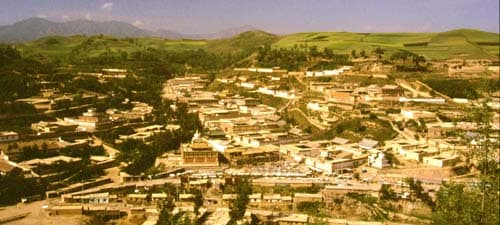
Kumbum Monastery
Kumbum Monastery, also known as Ta'er Temple, is a significant Tibetan Buddhist monastery founded in 1583 in Lusar, Qinghai, China. It holds a prominent place in Tibetan Buddhism, second only to Lhasa's Drepung Monastery. The monastery is renowned for its origins tied to Je Tsongkhapa, the founder of the Gelug school, and the miraculous "Tree of Great Merit" that grew from his birthplace.