
Mortemer Abbey
Mortemer Abbey was a significant Cistercian monastery founded in 1134 by Henry I of England, once ranking among the largest Cistercian foundations globally. Despite extensive rebuilding in the 17th century, it faced irreversible decline and dissolution during the French Revolution. Today, its 17th-century buildings are well-preserved and open to visitors, while the original 12th-century structures are largely reduced to ruins, though the cloisters remain relatively intact.
Key Facts
- ›Founded in 1134 on land gifted by Henry I of England.
- ›Originated from monks digging a drainage lake named 'morte mare' (dead pond).
- ›Was once one of the largest Cistercian monasteries in the world.
- ›Dissolved in 1790 during the French Revolution.
- ›17th-century buildings are well-preserved and accessible to the public.
- ›Site of numerous ghost stories and legends, earning it the nickname 'most haunted abbey in France'.

Cistercian, Baroque
Cloisters, 17th-Century Dovecote, Legends and Ghost Stories
L'Abbaye De Mortemer
Henry I of England, Matilda of England
- Founded In 1134
- Rebuilt In the 17th Century
- Dissolved During the French Revolution In 1790
About Mortemer Abbey
Mortemer Abbey, known in French as L'Abbaye de Mortemer, is a former Cistercian monastery situated in the Forest of Lyons, within the commune of Lisors in the Eure department of France. Its origins trace back to 1134 when Henry I of England gifted land to the Cistercian order. The monastery's name is derived from the 'morte mare' or 'dead pond,' a stagnant drainage lake created by the monks to reclaim the marshy terrain surrounding the Fouillebroc stream.
Monastic History and Decline
Upon its establishment, Mortemer Abbey was constructed to be one of the largest Cistercian monasteries in the world. However, over centuries, it experienced a gradual decline and disrepair. Despite efforts to rebuild in the 17th century, the abbey's fate was sealed by irreversible decay. By 1790, during the French Revolution, the monastery was dissolved, leaving only five monks in residence.
Architectural Remains and Visitor Access
The original 12th-century structures of Mortemer Abbey had fallen into a state of dereliction by the time of the French Revolution, and subsequent use as a quarry for building stone reduced them to little more than ruins. The primary surviving element from this period is the cloisters, which remain relatively intact. In contrast, the 17th-century buildings are well-preserved and are accessible to the public, offering guided tours for visitors. The site also features a well-maintained 17th-century dovecote that historically served as a gaol house.
Legends and Folklore
Mortemer Abbey is renowned for its rich tapestry of legends and ghost stories, earning it the moniker of the 'most haunted abbey in France.' A prominent legend involves Matilda of England, daughter of Henry I, who was reportedly confined to the abbey for five years. After her death, she is said to have returned to haunt the premises as 'The White Lady.' Visitors have reported experiencing strange noises and a palpable presence. Further spectral tales include the ghosts of four monks murdered during the French Revolution and the mythical 'Goblin cat' (eul cat goublin), believed to guard the abbey's treasure.
Source: Wikipedia ↗
Frequently Asked Questions
When was Mortemer Abbey founded?
Mortemer Abbey was founded in 1134. The land was presented as a gift to the Cistercians by Henry I of England.
What is the origin of the name Mortemer Abbey?
The name 'Mortemer' comes from the French 'morte mare,' meaning 'dead pond.' This name derived from a stagnant drainage lake dug by the monks to dry the marshy land around the Fouillebroc stream.
What is the current state of Mortemer Abbey's buildings?
The original 12th-century buildings are mostly in ruins, with only the cloisters being relatively intact. However, the 17th-century buildings are well-preserved and open to visitors.
Is Mortemer Abbey still an active monastery?
No, Mortemer Abbey is no longer an active monastery. It was dissolved in 1790 during the French Revolution, with only five monks remaining at that time.
What legends are associated with Mortemer Abbey?
Mortemer Abbey is known for numerous ghost stories, including the legend of Matilda of England, also known as 'The White Lady,' who is said to haunt the abbey. Ghosts of four monks murdered during the French Revolution are also reported, as well as a 'Goblin cat' guarding treasure.
Can visitors tour Mortemer Abbey?
Yes, the well-preserved 17th-century buildings of Mortemer Abbey are open to visitors, with guided tours typically available most of the year.
Related Monasteries
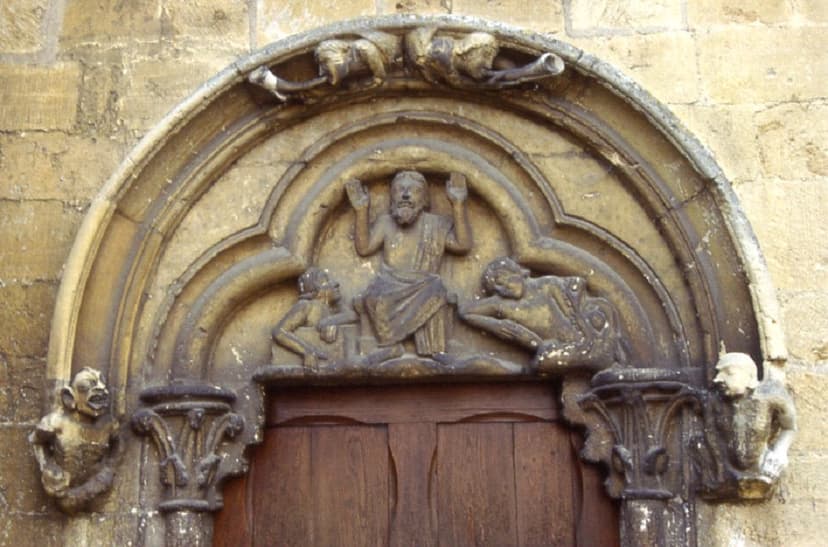
Gorze Abbey
Gorze Abbey was a significant Benedictine monastery in Gorze, Lorraine, founded around 757. It became prominent in the 930s as the origin of the Gorze Reform, a movement that revitalized monastic observance of the Rule of St. Benedict while preserving the independence of individual abbeys, influencing numerous other monasteries. The abbey eventually ceased its central spiritual role in the 12th century, was dissolved in 1572, and its buildings largely demolished, though its former territory persisted as the "Terre de Gorze".
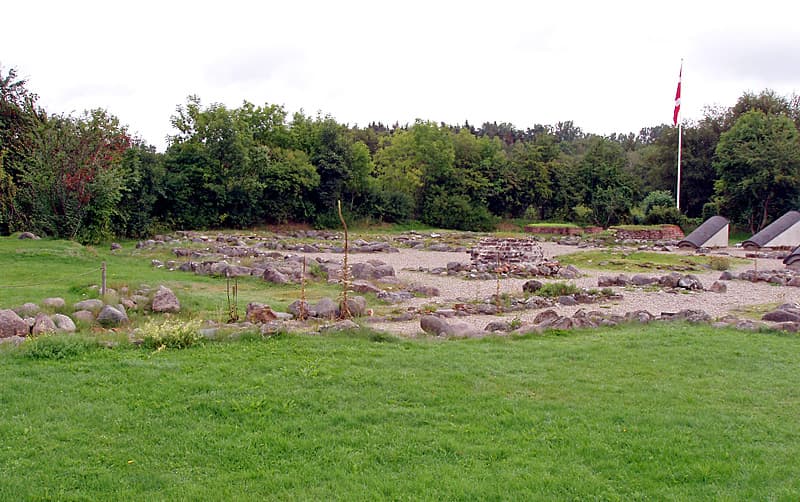
Kalvø Abbey
Øm Abbey was a significant Cistercian monastery in Denmark, founded in 1172 and operating until its dissolution in 1536 following the Reformation. Situated in central Jutland between two lakes, it was known for its extensive landholdings and a well-recognized hospital. Today, the site is managed by a museum that preserves its monastic heritage, with visible ruins of the church and chapter hall.
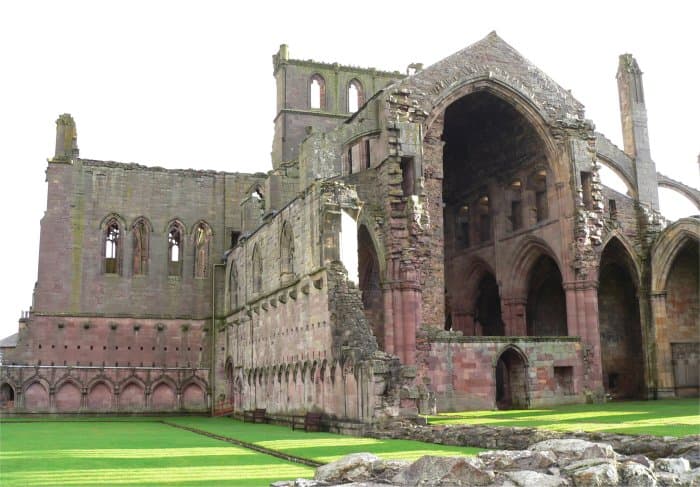
Melrose Abbey
St Mary's Abbey, Melrose, is a predominantly ruined Cistercian monastery in Melrose, Scottish Borders, founded in 1136 by King David I of Scotland. It served as the primary house of the Cistercian order in Scotland until the Reformation and is renowned for its intricate Gothic architecture and decorative carvings. Today, it is maintained by Historic Environment Scotland and is a significant historical and tourist site, notable for the purported burial of Robert the Bruce's heart.