
Gorze Abbey
Gorze Abbey was a significant Benedictine monastery in Gorze, Lorraine, founded around 757. It became prominent in the 930s as the origin of the Gorze Reform, a movement that revitalized monastic observance of the Rule of St. Benedict while preserving the independence of individual abbeys, influencing numerous other monasteries. The abbey eventually ceased its central spiritual role in the 12th century, was dissolved in 1572, and its buildings largely demolished, though its former territory persisted as the "Terre de Gorze".
Key Facts
- ›Founded around 757 by Bishop Chrodegang of Metz.
- ›Became a major center for monastic reform in the 930s.
- ›Developed the "chant messin," an early form of Gregorian chant.
- ›Dissolved in 1572 due to the Reformation.
- ›The lay church, built in the 12th/13th centuries, still survives as the parish church of Saint Stephen.
- ›The Abbot's Palace, built in the 1690s, is now a museum and used for other purposes.
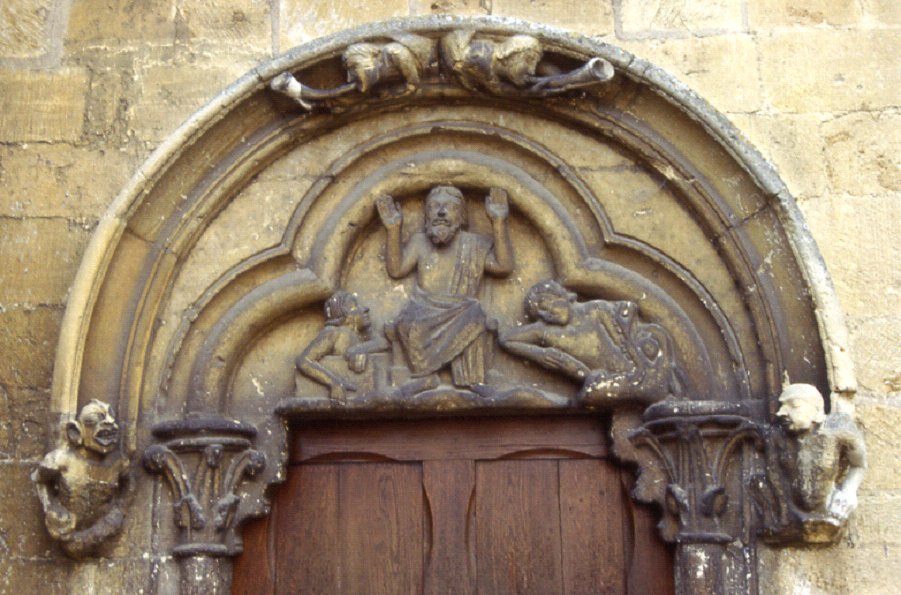
Carolingian Architecture
Lay Church, Abbot's Palace, Gardens, Nymphaeum, Chapel
Chrodegang of Metz, Bivin of Gorze, John of Gorze, Einald of Toul, Wolfgang of Regensburg, Eberhard Von LöWenstein
- Foundation of the Abbey Around 757
- Monastic Reform Movement Initiated In the 930s
- Dissolution of the Abbey In 1572
- Confiscation and Sale of the Abbot's Palace During the French Revolution
About Gorze Abbey
Gorze Abbey was a historically significant Benedictine monastery located in Gorze, in the Lorraine region of present-day France. Its origins trace back to around 757 when it was founded by Bishop Chrodegang of Metz, who endowed the nascent community with relics of Saint Gorgonius. While initially following Chrodegang's Rule, the monastery experienced a period of decline before a crucial revival.
The Gorze Reform
A pivotal moment in the abbey's history was its role as the source of the Gorze Reform in the 930s. Under the guidance of figures like John of Gorze and Einald of Toul, the monastery rigorously restored observance of the Rule of St. Benedict. This reform movement was characterized by its aim to reestablish Benedictine discipline but differed from contemporary movements like Cluny by emphasizing the independence of reformed houses, fostering instead a network of loosely affiliated centers of spiritual renewal. The Gorze Reform's influence spread to numerous monasteries, both locally and in more distant regions such as Bavaria. The abbey was also recognized as a center for the "chant messin," an early form of Gregorian chant, and for its development of sacred drama.
Later History and Legacy
From the 12th century onwards, Gorze Abbey's prominence as a spiritual center gradually waned, though it continued to prosper materially, undertaking substantial building projects. The extensive lands it accumulated became known as the "Terre de Gorze." The abbey was ultimately dissolved in 1572, marking the end of its monastic community. Although an attempt at re-foundation in 1580 failed and most buildings were demolished, the former lay church of the abbey survives to this day as the parish church of Saint Stephen. The "Terre de Gorze" persisted as a territorial unit, and in the late 17th century, the Prince-Abbot Eberhard von Löwenstein constructed a new residence, the Abbot's Palace, which still stands and now serves multiple functions, including as a museum. The site has been protected as a monument historique by the French Ministry of Culture since 1886.
Source: Wikipedia ↗
Frequently Asked Questions
When was Gorze Abbey founded?
Gorze Abbey was founded around the year 757. It was established by Bishop Chrodegang of Metz, who obtained relics of Saint Gorgonius for the new community.
What was the significance of the Gorze Reform?
The Gorze Reform, originating in the 930s, aimed to reestablish the Rule of St. Benedict. Unlike the Cluniac Reform, it fostered a network of loosely affiliated monasteries that maintained their independence, rather than a centralized system.
What is "chant messin"?
"Chant messin" refers to an early form of Gregorian chant or plainsong that was part of the liturgy at Gorze Abbey. It is considered a distinct musical tradition associated with the monastery.
What happened to Gorze Abbey after the Reformation?
Gorze Abbey was dissolved in 1572 as a result of the Reformation. An attempt at re-foundation in 1580 failed, and most of the abbey buildings were demolished, with the exception of the lay church.
What is the current status of the Abbot's Palace at Gorze?
The Abbot's Palace, built in the 1690s, still stands and has been restored. It is currently used as a museum, an old people's home, and for several other purposes. The gardens, nymphaeum, and chapel are noted for their architectural and artistic interest.
Is Gorze Abbey a protected historical site?
Yes, Gorze Abbey is the property of the commune and has been listed as a monument historique by the French Ministry of Culture since 1886.
Related Monasteries

Mortemer Abbey
Mortemer Abbey was a significant Cistercian monastery founded in 1134 by Henry I of England, once ranking among the largest Cistercian foundations globally. Despite extensive rebuilding in the 17th century, it faced irreversible decline and dissolution during the French Revolution. Today, its 17th-century buildings are well-preserved and open to visitors, while the original 12th-century structures are largely reduced to ruins, though the cloisters remain relatively intact.

Malmedy Abbey
The Princely Abbey of Stavelot-Malmedy was an ecclesiastical principality of the Holy Roman Empire, governed by the Benedictine abbot of the imperial double monastery of Stavelot and Malmedy. Founded in 651 by Saint Remaclus, it played a significant role in the cultural and religious life of Lotharingia. The principality was abolished in 1795 and its territory incorporated into France, later becoming part of Belgium and Prussia.
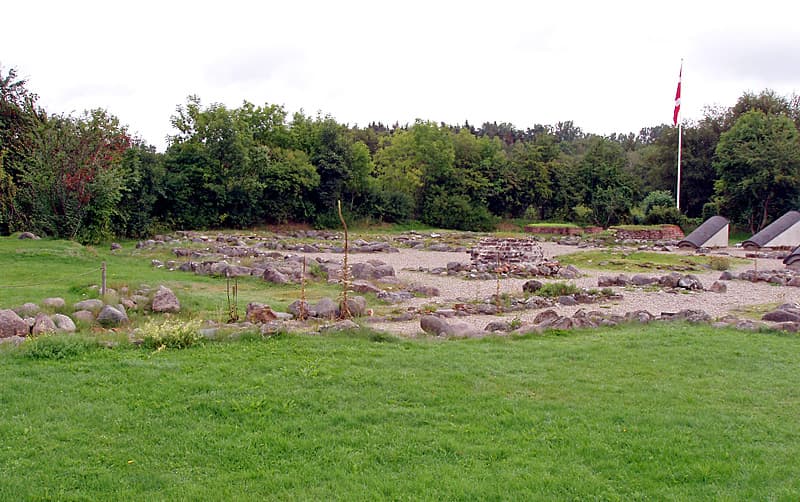
Kalvø Abbey
Øm Abbey was a significant Cistercian monastery in Denmark, founded in 1172 and operating until its dissolution in 1536 following the Reformation. Situated in central Jutland between two lakes, it was known for its extensive landholdings and a well-recognized hospital. Today, the site is managed by a museum that preserves its monastic heritage, with visible ruins of the church and chapter hall.