
Kalvø Abbey
Øm Abbey was a significant Cistercian monastery in Denmark, founded in 1172 and operating until its dissolution in 1536 following the Reformation. Situated in central Jutland between two lakes, it was known for its extensive landholdings and a well-recognized hospital. Today, the site is managed by a museum that preserves its monastic heritage, with visible ruins of the church and chapter hall.
Key Facts
- ›Founded in 1172 by Cistercian monks from VitskøL Abbey.
- ›Located in central Jutland, Denmark, between the lakes of Mossø and Gudensø.
- ›Was one of Denmark's wealthiest monasteries, with substantial land holdings by the late 15th century.
- ›The abbey buildings were demolished in 1561 to provide materials for Skanderborg Castle.
- ›The site is now home to the ØM Kloster Museum, which manages its heritage.
- ›Ruins of the church and chapter hall are still visible on the former abbey grounds.
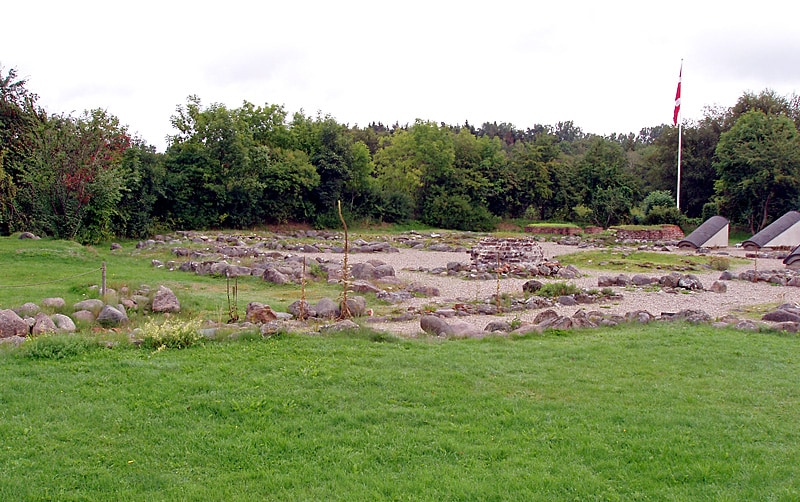
øM Kloster Museum, Ruins of the Church, Ruins of the Chapter Hall, Hospital
øM Kloster
Bishop Svend of Aarhus, Abbot Michael, Bishop Peder Elafssen, Abbot Arnfast, King Christopher I of Denmark, Archbishop Jacob Erlandsen, Queen Margaret Sambiria, King Eric V of Denmark, Queen Margaret I of Denmark, Frederik Ii
- Founded In 1172
- Documented In the øM Abbey Chronicle
- Suspicion of Harboring Abbot Arnfast
- Cistercians Banished By King Eric V
- Dowager Queen Margaret Sambiria Stayed With An Army
- Dissolution During the Reformation
- Last Monk Moved
- Buildings Demolished
About Kalvø Abbey
Overview
Øm Abbey (Øm Kloster) was a prominent Cistercian monastery established in 1172 in the Diocese of Aarhus, located in central Jutland, Denmark. Situated amidst the highland region of Søhøjlandet, between the lakes of Mossø and Gudensø near the town of Rye, the abbey was a significant religious and economic center for centuries.
History and Significance
The history of Øm Abbey is partly chronicled by its own monks in the "Øm Abbey Chronicle," which covers events from 1206 to 1267. Founded by monks from Vitskøl Abbey, the community faced initial challenges in finding a suitable location before settling in their final, well-situated spot. The abbey received considerable land endowments, notably from Bishop Svend of Aarhus, and developed a recognized hospital. At its zenith in the late 15th century, Øm Abbey was one of Denmark's wealthiest institutions, possessing extensive landholdings, mills, and a substantial monastic complex that included a church, library, refectory, and cloister.
Dissolution and Legacy
The Reformation in Denmark marked the end of Øm Abbey's monastic life. While permitted to continue operating after 1536, no new monks could be admitted. The abbey was officially dissolved in 1560 when the last monk was transferred to Sorø Abbey. The following year, King Frederik II ordered the demolition of the abbey buildings, utilizing the materials for Skanderborg Castle. Today, the site is managed by the Øm Kloster Museum, a part of the National Museum of Denmark, preserving the monastic patrimony. Visitors can explore the visible ruins of the church and chapter hall, offering a tangible connection to this important historical monastery.
Source: Wikipedia ↗
Frequently Asked Questions
When was Øm Abbey founded?
Øm Abbey was founded in 1172 by Cistercian monks. They had previously attempted to establish settlements in other locations but faced difficulties with soil quality and land disputes before settling in their final location.
What happened to Øm Abbey after the Reformation?
Following the official adoption of Lutheranism in Denmark in 1536, Øm Abbey was allowed to continue with its existing monks but could not admit new ones. The last monk departed in 1560, and the buildings were subsequently demolished to be used in the construction of Skanderborg Castle.
What can be seen at the former site of Øm Abbey today?
Today, the former site of Øm Abbey is managed by the Øm Kloster Museum, a part of the National Museum of Denmark. Visitors can see the ruins of the church and the chapter hall, along with an exhibit detailing the abbey's history.
What was the Øm Abbey Chronicle?
The Øm Abbey Chronicle (Øm Klosters krønike) is a historical document written by local monks between 1206 and 1267. It records events that occurred at the abbey during those turbulent years.
Was Øm Abbey involved in any major historical controversies?
Yes, Øm Abbey faced suspicion in 1259 when it was believed to be harboring Abbot Arnfast of Ryd Abbey, who was accused of murdering King Christopher I. This led to the Cistercians being banished by King Eric V.
Related Monasteries
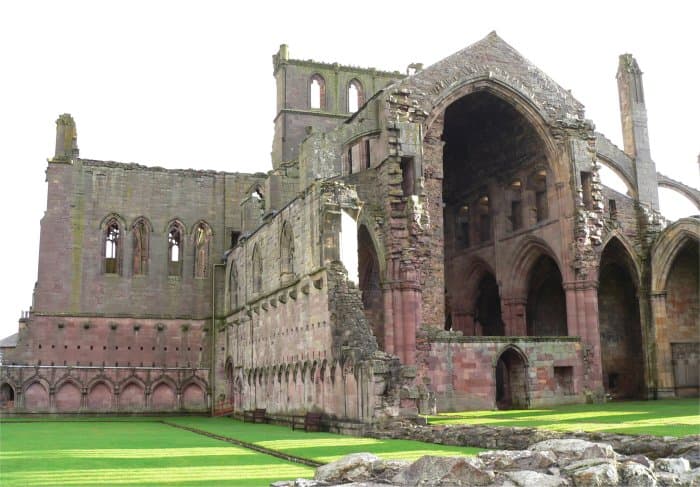
Melrose Abbey
St Mary's Abbey, Melrose, is a predominantly ruined Cistercian monastery in Melrose, Scottish Borders, founded in 1136 by King David I of Scotland. It served as the primary house of the Cistercian order in Scotland until the Reformation and is renowned for its intricate Gothic architecture and decorative carvings. Today, it is maintained by Historic Environment Scotland and is a significant historical and tourist site, notable for the purported burial of Robert the Bruce's heart.

Mortemer Abbey
Mortemer Abbey was a significant Cistercian monastery founded in 1134 by Henry I of England, once ranking among the largest Cistercian foundations globally. Despite extensive rebuilding in the 17th century, it faced irreversible decline and dissolution during the French Revolution. Today, its 17th-century buildings are well-preserved and open to visitors, while the original 12th-century structures are largely reduced to ruins, though the cloisters remain relatively intact.
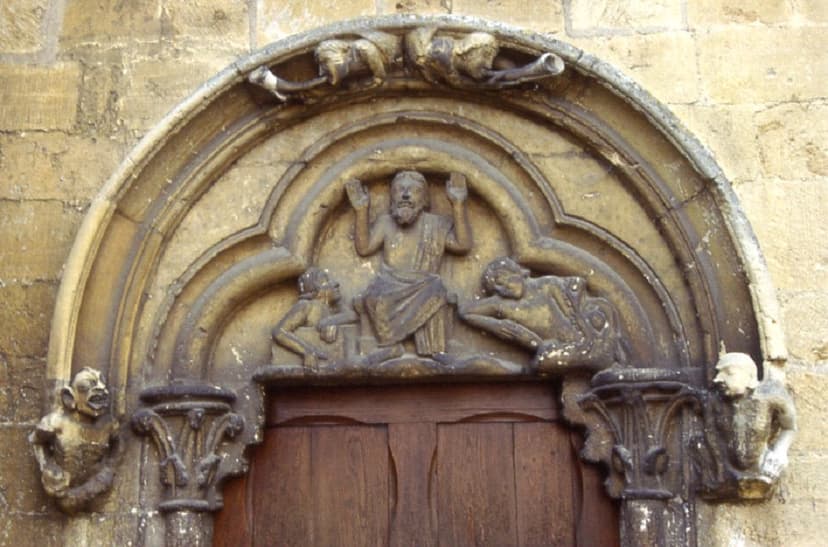
Gorze Abbey
Gorze Abbey was a significant Benedictine monastery in Gorze, Lorraine, founded around 757. It became prominent in the 930s as the origin of the Gorze Reform, a movement that revitalized monastic observance of the Rule of St. Benedict while preserving the independence of individual abbeys, influencing numerous other monasteries. The abbey eventually ceased its central spiritual role in the 12th century, was dissolved in 1572, and its buildings largely demolished, though its former territory persisted as the "Terre de Gorze".