
Vitskøl Abbey
Cistercian·Denmark·Partially restored, used for conferences and education; ruins protected·12th century
Vitskøl Abbey, originally known as Vitae Schola, was a prominent Cistercian monastery active from the mid-12th century until 1563. Founded on land granted by King Valdemar I, it was intended to house the largest church in Scandinavia and became a significant landowner, cultural center, and educational institution. Following the Reformation, it became crown property, and its monastic community dissolved in 1563.
Key Facts
- ›Founded by Cistercian monks in the MID-12th century.
- ›Intended to be the site of the largest church in Scandinavia.
- ›Became a major landowner and cultural center in its era.
- ›Known for its school and its herb garden.
- ›Became crown property after Denmark's Reformation in 1536.
- ›The estate was later renamed Bjørnsholm after being granted to a noble.
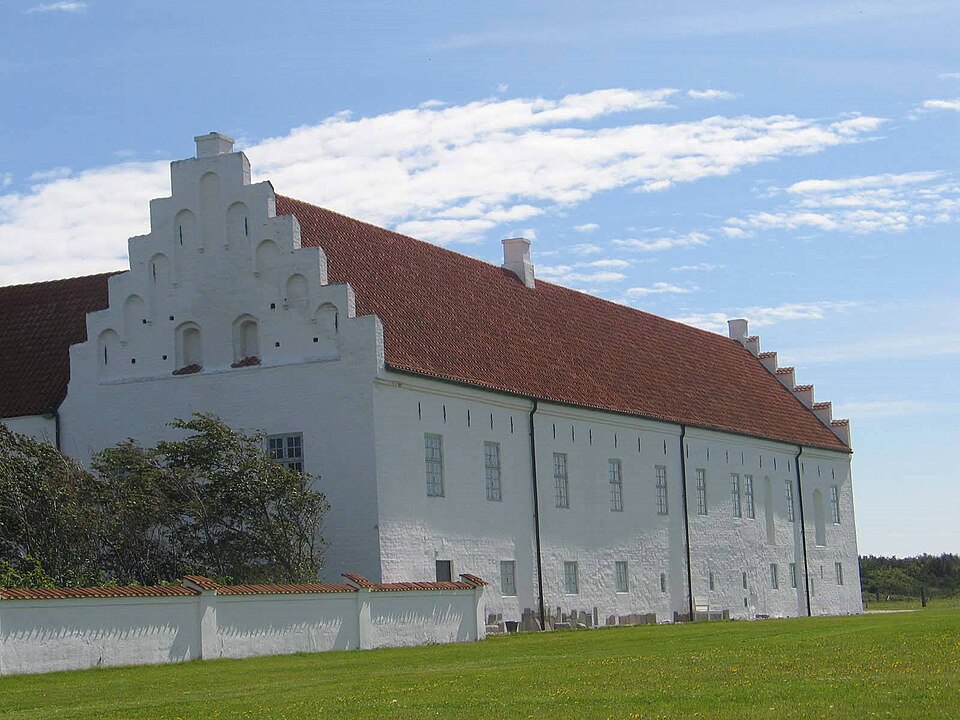
Herb Garden, Restored Residential Building, Protected Ruins of the Abbey Church
Vitae Schola, VitskøL Kloster
Abbot Henrik, King Valdemar I the Great, Queen Christina BjöRnsdotter of Sweden, BjøRn Andersen
- Foundation By Exiled Monks From Varnhem Abbey.
- Land Granted By King Valdemar I.
- Fire Destroyed Much of the Abbey In 1287.
- Became Crown Property After the Reformation In 1536.
- Monastic Community Dissolved In 1563.
- Estate Renamed BjøRnsholm In 1573.
About Vitskøl Abbey
Vitskøl Abbey, whose name in Latin, Vitae Schola, translates to "school of life," stands as one of Northern Europe's oldest surviving monastic complexes. Located near Ranum in Himmerland, Denmark, it was a significant Cistercian monastery from its active period in the mid-12th century until its dissolution in 1563. The abbey's history is intertwined with royal patronage, architectural ambition, and eventual transformation.
History and Significance
The monastery's origins trace back to Cistercian monks, led by Abbot Henrik, who were in exile from Varnhem Abbey in Sweden. They were eventually replaced by monks from Esrum Abbey, the recognized mother house of Vitskøl. King Valdemar I the Great granted the land to the Cistercians with the grand vision of constructing the largest church in Scandinavia. Construction commenced in 1158, though the full realization of this ambitious church was never completed due to various challenges, including a significant fire in 1287.
Despite the unfulfilled architectural dream, Vitskøl Abbey grew to become a major landowner in the region. It served as a vital center for cultural life and the local economy, fostered by royal protection and noble endowments. The abbey was also renowned for its school and played a role in regional trade, facilitated by its ownership of Livø island and market rights. The monastic community reached its peak influence in the 14th century.
Transformation and Present Day
The advent of the Reformation in Denmark dramatically altered the abbey's status. In 1536, Vitskøl Abbey became the property of the Danish crown. Although new monks were prohibited, the monastery continued to operate until 1563, when the last monks departed. In 1573, the estate was granted to the noble Bjørn Andersen and subsequently renamed Bjørnsholm. The former abbey church eventually fell into disuse and served as a quarry.
Today, the principal residential building, now known as Vitskøl Kloster, has been restored and is utilized for conferences and educational events. The remaining ruins of the abbey church are protected, and the grounds feature a historical herb garden, partially restored by local organizations. This garden serves as a living reminder of the monastic community's past practices and agricultural knowledge.
Source: Wikipedia ↗
Frequently Asked Questions
When was Vitskøl Abbey founded?
The exact date of Vitskøl Abbey's foundation is not precisely known, but construction on its buildings began in 1158. It was active as a Cistercian monastery from the mid-12th century.
What was the original purpose of Vitskøl Abbey?
Vitskøl Abbey was founded with the intention of building the largest church in Scandinavia. It was established by Cistercian monks on land provided by King Valdemar I the Great.
What happened to Vitskøl Abbey after the Reformation?
Following Denmark's official adoption of Lutheranism in 1536, Vitskøl Abbey became crown property. Although it was forbidden to accept new monks, it remained in operation until the last monks departed in 1563.
What is the current status of Vitskøl Abbey?
The remaining abbey buildings have been restored and are now used for conferences and educational purposes. The ruins of the abbey church have protected status, and the grounds include a partially restored herb garden.
Is Vitskøl Abbey still an active monastery?
No, Vitskøl Abbey is no longer an active monastery. The monastic community was dissolved in 1563, and the buildings are now used for other purposes.
Related Monasteries
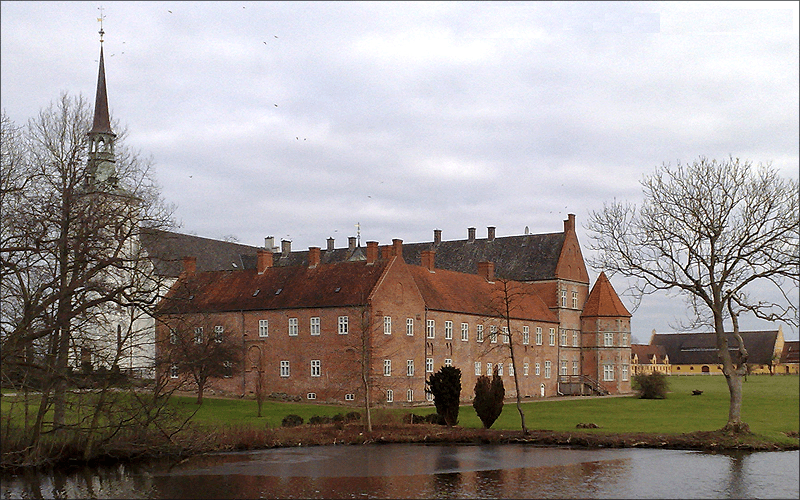
Holme Abbey
Holme Abbey, later known as Brahetrolleborg, was a Cistercian monastery founded in 1172 and settled from Herrevad Abbey. Initially built on a lake, it was destroyed by fire and rebuilt on a new site. Following the Reformation, it became crown property, eventually transitioning into a secular estate and castle under various noble families, most notably the Reventlows since 1722. The site now encompasses a castle, a former monastery church, and extensive grounds.
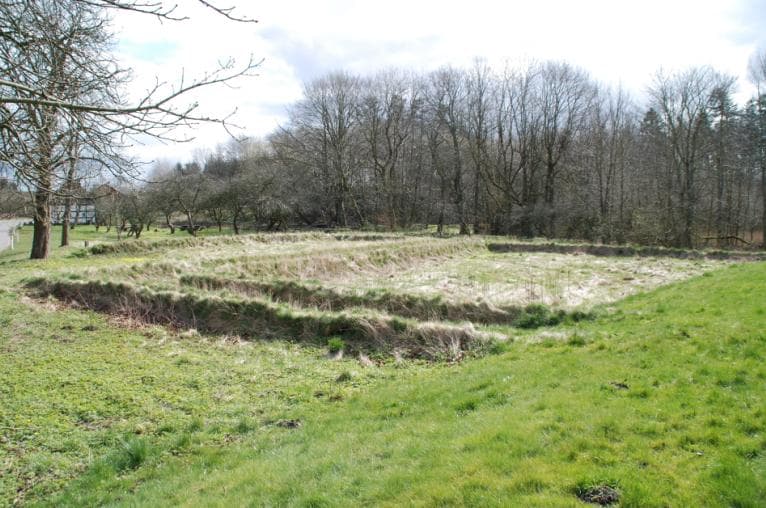
Tvis Abbey
Tvis Abbey was a former Cistercian monastery located in Jutland, Denmark, founded in 1163 by Prince Buris Henriksson. Situated on an island between two rivers near Holstebro, it was a daughter house of Herrevad Abbey. The monastery was dissolved during the Reformation, likely in 1547, and most of its structures, including the abbey church, were later demolished, leaving only the foundations visible today.

Asserbo Charterhouse
Asserbo Charterhouse was a short-lived Carthusian monastery founded in the late 12th century by Bishop Absalon in North Zealand, Denmark. Despite its initial monastic purpose, it soon transitioned to being used as a farmhouse and later leased to noble families. The site was famously swallowed by drifting sands from the 15th century until the 18th century, with the ruins eventually excavated in the 19th century.