
Esrum Abbey
Christian·Denmark·Museum and school·12th century
Esrum Abbey was a significant Cistercian monastery in Denmark, founded as a Benedictine house around 1140 and later joining the Cistercian order in 1151. It became a mother house for several other monasteries and played a role in royal history, particularly with Queen Helvig and Margaret I. After the Danish Reformation, the abbey was dissolved, its buildings dismantled for construction, and the site later repurposed as a hunting lodge, stud farm, barracks, and administrative offices before its restoration and current use as a museum and educational center.
Key Facts
- ›Founded as a Benedictine monastery around 1140, transitioning to Cistercian in 1151.
- ›Became the mother house for several other important Cistercian foundations in Denmark and abroad.
- ›Suffered significant damage from fires in 1194 and 1204, leading to reconstruction.
- ›The Codex Esromensis, a collection of abbey papers from 1374-1497, is preserved.
- ›Dissolved in 1559 following the Danish Reformation, with buildings largely dismantled.
- ›The site was restored in 1996 and now functions as a museum and nature school.
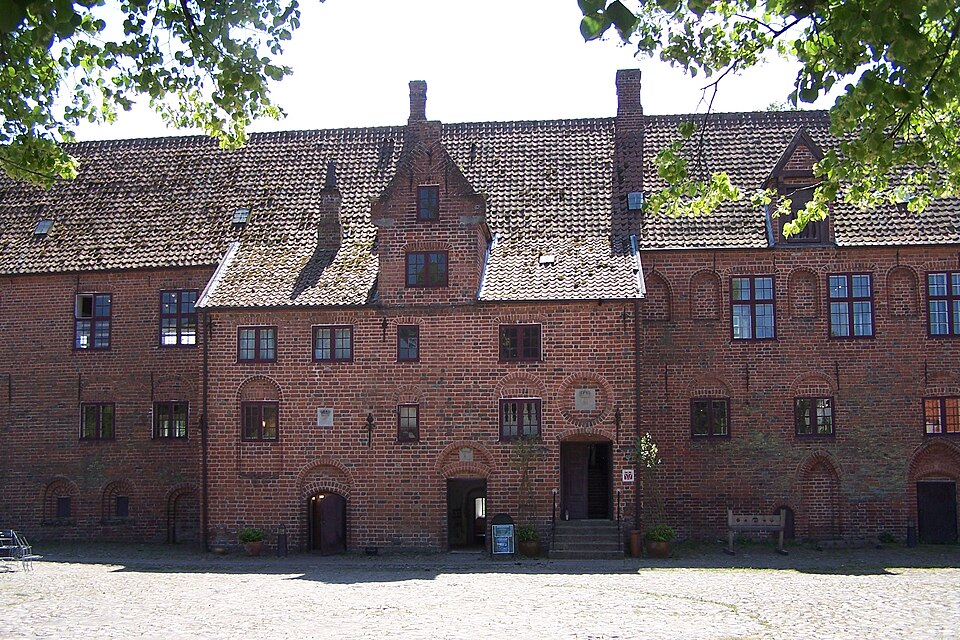
Gothic
South Wing of Conventual Buildings, Watermill, Esrum Spring, Codex Esromensis
Esrom Abbey, Esrum Kloster, Esrom Kloster
Queen Helvig of Schleswig, Margaret I of Denmark, Brother Daniel, Brother Rus, King Valdemar I, King Valdemar Iv of Denmark
Founded As Benedictine Monastery, Transitioned To Cistercian Order, Burned Down, Queen Helvig Becomes Lay Sister, Dissolved, Restored
About Esrum Abbey
Esrum Abbey, also known as Esrom Abbey, stands as a historically significant monastic site in Denmark. Originally established as a Benedictine foundation around 1140, it transitioned to the Cistercian order in 1151, becoming the second Cistercian monastery in the country and a daughter house of Clairvaux. Its strategic location on the north side of Lake Esrum, near Hillerød on the island of Zealand, provided a fertile ground for its development and influence.
History and Development
The abbey's early history was marked by expansion and influence. Esrum Abbey itself became the mother house for several other important Cistercian foundations, including Vitskøl Abbey and Sorø Abbey in Denmark, as well as Ryd and Kołbacz Abbeys. Despite suffering significant damage from fires in 1194 and 1204, the community persevered, leading to the construction of a new, larger church and monastery built from red brick, a common material in the region.
Esrum Abbey also experienced periods of royal connection. In 1355, Queen Helvig of Schleswig, consort of King Valdemar IV, became a lay sister there after being supplanted by the king's mistress. Her burial in the abbey church brought royal patronage and subsequent benefactions from noble families. This royal interest continued with Queen Helvig's daughter, Margaret I of Denmark.
Dissolution and Later Uses
The course of Danish history dramatically altered the fate of Esrum Abbey. With Denmark's adoption of Lutheranism in 1536, the abbey was transformed into a crown estate. Although permitted to function until 1559, its remaining monks and abbot were then transferred to Sorø Abbey. The buildings at Esrum were largely dismantled, with its materials reportedly used in the construction of Kronborg Castle. Over the following centuries, the site was repurposed multiple times, serving as a royal hunting lodge, a stud farm, barracks for dragoons, and various administrative offices.
Present Day
Following thorough restoration in 1996, the surviving structures of Esrum Abbey, including the south wing of the conventual buildings and a watermill, have been preserved as a national historic monument. Today, the site serves as a museum and a school dedicated to the study of nature and the environment, also hosting activities such as medieval re-enactments, making it a vibrant center for history and education.
Legends and Legacy
Esrum Abbey is associated with several legends, including that of Brother Daniel, whose healing by drinking from the Esrum Spring led to the spring's reputation for having medicinal properties. Another tale recounts Brother Rus, a disguised Satan who infiltrated the abbey. A story also links King Valdemar I to the abbey, suggesting he forced its monks to work as laborers for the construction of Gurre Castle. The abbey's legacy also extends to gastronomy, with the well-known Danish cheese "Esrum" or "Esrom" named in its honor.
Source: Wikipedia ↗
Frequently Asked Questions
When was Esrum Abbey founded?
Esrum Abbey likely began as a Benedictine foundation around 1140. It was officially taken over by the Cistercians in 1151.
What is the historical significance of Esrum Abbey?
It was the second Cistercian monastery founded in Denmark and a mother house to several other monasteries. The abbey also had royal patronage, with Queen Helvig and Margaret I of Denmark associated with it.
What happened to Esrum Abbey after the Reformation?
Following Denmark's adoption of Lutheranism in 1536, Esrum Abbey was dissolved in 1559. Its buildings were largely dismantled for building materials, and the estate was repurposed multiple times, including as a hunting lodge and barracks.
What is the current status of Esrum Abbey?
The surviving structures of Esrum Abbey, including the south wing of the conventual buildings and a watermill, have been restored and are protected as a national historic monument. They are currently used as a museum and a school for nature and environmental studies.
Is there a famous cheese named after Esrum Abbey?
Yes, the cheese known as Esrum or Esrom is named after this monastery.
Related Monasteries

Asserbo Charterhouse
Asserbo Charterhouse was a short-lived Carthusian monastery founded in the late 12th century by Bishop Absalon in North Zealand, Denmark. Despite its initial monastic purpose, it soon transitioned to being used as a farmhouse and later leased to noble families. The site was famously swallowed by drifting sands from the 15th century until the 18th century, with the ruins eventually excavated in the 19th century.

Børglum Abbey
Børglum Abbey was a significant Premonstratensian monastery in medieval Denmark, flourishing from the 12th century until the Reformation. Originally a royal farm, it became the seat of the bishopric of Vendsyssel before the Premonstratensians established a daughter house that grew to become the mother house for their order in Scandinavia. The abbey's church served as the cathedral, making it a powerful religious and political entity, known for its seminary and annual market.
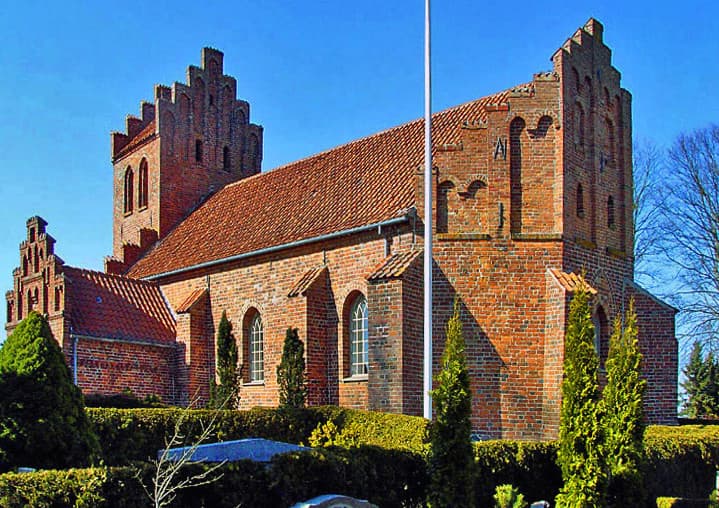
Eskilsø Abbey
Æbelholt Abbey was an Augustinian monastery founded on Eskilsø Island in 1104 before relocating to Æbelholt in 1167. It became a significant religious center, particularly after the canonization of its first abbot, William of Æbelholt, as St. Vilhelm in 1224. Following the Reformation, the abbey was dissolved in 1560, its buildings were largely demolished for reuse, and the site now hosts an abbey museum and a reconstructed medieval garden.