
Børglum Abbey
Christian·Denmark·Museum and active parish church·12th century
Børglum Abbey was a significant Premonstratensian monastery in medieval Denmark, flourishing from the 12th century until the Reformation. Originally a royal farm, it became the seat of the bishopric of Vendsyssel before the Premonstratensians established a daughter house that grew to become the mother house for their order in Scandinavia. The abbey's church served as the cathedral, making it a powerful religious and political entity, known for its seminary and annual market.
Key Facts
- ›Originally a royal farm dating back to at least 1000 AD.
- ›Became the episcopal seat for the bishopric of Vendsyssel between 1134 and 1139.
- ›Established as a Premonstratensian (White Canons) house in the 1180s, becoming a mother house for Scandinavia.
- ›The abbey church served as the cathedral for the bishopric of Vendsyssel.
- ›Famous for its annual market on or near St. Bodil's day.
- ›Dissolved in 1536 following the Danish Reformation.

Romanesque, Gothic
Former Episcopal Seat, Seminary For Noble Families, Annual Market On St. Bodil's Day, Modern Copy of the Bayeux Tapestry, Museum Dedicated To the Site's History
King Canute Iv, Bishop Self, Bishop Troel, Bishop Oluf Glob, Jens Glob, Pope Boniface Ix, Stygge Krumpen, Colonel Poulsen, Bolle Willum Luxdorph, Godslev Budde, Frederik Ii, Lauge Koch
- Peasant Revolt Against King Canute Iv In 1086.
- Granting of the Royal Estate To the Church Between 1134 and 1139.
- Establishment of the Premonstratensians In the 1180s.
- Murder of Bishop Oluf Glob and Companions In 1206 .
- Pope Boniface Ix Grants Dispensation For Habit Color Change In 1403.
- Fire Destroys Old Abbey Church and Reconstruction Begins In 1500.
- Dissolution of the Abbey In 1536.
- Abbey Church Ceases To Be A Cathedral In 1554.
- Incident Involving A Mail Bomb In 1764.
- Buildings Given National Historic Status and Protection In 1958.
About Børglum Abbey
Børglum Abbey stands as a historically significant monastic site in north central Jutland, Denmark, with a legacy stretching from its origins as a royal farm to its prominence as a major Premonstratensian abbey and bishopric seat. Its importance in medieval Danish society was multifaceted, encompassing religious leadership, education, and substantial land ownership.
History and Significance
The site of Børglum Abbey dates back to at least 1000 AD as a royal farm. Notably, in 1086, King Canute IV sought refuge there during a peasant revolt. Between 1134 and 1139, the royal estate was transferred to the church, becoming the new seat for the bishopric of northern Jutland, also known as Vendsyssel. Bishop Self (or Sylvester) of Vestervig was appointed the first bishop of Børglum in 1139, a position the abbey held until the Reformation.
In the 1180s, the Premonstratensians, or White Canons, established a presence, creating a daughter house of Steinfeld Abbey. Børglum Abbey subsequently became the central monastery for all Premonstratensian foundations in Scandinavia. With royal patronage, it flourished, establishing a seminary that attracted sons from noble families. The abbey church, initially built in a Romanesque basilica style with local granite, served as the cathedral for the bishopric. The bishop, as the largest landowner in North Jutland and a member of the State Council, wielded considerable influence.
Over time, the abbey underwent changes. A fire in 1500 necessitated the rebuilding of the church in a later Gothic style, though this was halted by the Reformation. The last bishop, Stygge Krumpen, eventually accepted Lutheranism and married. The abbey was dissolved in 1536, reverting to royal property. The church continued as a cathedral until 1554 before the seat moved to Aalborg. The vast estate was broken up, and the main abbey buildings were converted into a manor house.
Present Day
Today, the former abbey buildings are a protected national historic site and house a museum dedicated to the history of the location. The former abbey church continues its function as the local parish church. Børglum Abbey also displays a modern copy of the Bayeux Tapestry, and a river in North Greenland was named in its honor by explorer Lauge Koch.
Source: Wikipedia ↗
Frequently Asked Questions
When was Børglum Abbey founded?
The site of Børglum Abbey was originally a royal farm dating back to at least 1000 AD. It became the seat of the bishopric of northern Jutland between 1134 and 1139, and the Premonstratensians were established there in the 1180s.
What religious order was associated with Børglum Abbey?
Børglum Abbey was primarily associated with the Premonstratensian order, also known as the White Canons. It was a daughter house of Steinfeld Abbey and later became the mother house for all Premonstratensian monasteries in Scandinavia.
What was the significance of Børglum Abbey in medieval Denmark?
Børglum Abbey was highly influential, serving as both a religious center and the seat of the bishopric of Vendsyssel. Its canons also functioned as the cathedral chapter, and the bishop was a member of the State Council, advising the King.
What happened to Børglum Abbey after the Reformation?
Following the dissolution in 1536, Børglum Abbey's assets reverted to the crown. The abbey church continued as a cathedral until 1554, after which the episcopal seat moved to Aalborg. The estate was broken up, and the main building became a manor house.
What is present-day Børglum Abbey?
The former abbey buildings now house a museum displaying the history of the site, and the former abbey church serves as the local parish church. The structures were given national historic status and protection in 1958.
Related Monasteries

Asserbo Charterhouse
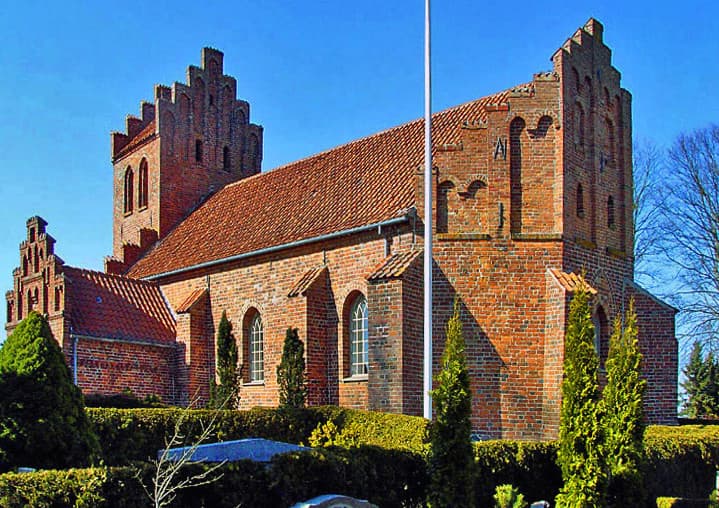
Asserbo Charterhouse was a short-lived Carthusian monastery founded in the late 12th century by Bishop Absalon in North Zealand, Denmark. Despite its initial monastic purpose, it soon transitioned to being used as a farmhouse and later leased to noble families. The site was famously swallowed by drifting sands from the 15th century until the 18th century, with the ruins eventually excavated in the 19th century.
Eskilsø Abbey
Æbelholt Abbey was an Augustinian monastery founded on Eskilsø Island in 1104 before relocating to Æbelholt in 1167. It became a significant religious center, particularly after the canonization of its first abbot, William of Æbelholt, as St. Vilhelm in 1224. Following the Reformation, the abbey was dissolved in 1560, its buildings were largely demolished for reuse, and the site now hosts an abbey museum and a reconstructed medieval garden.
Esrum Abbey
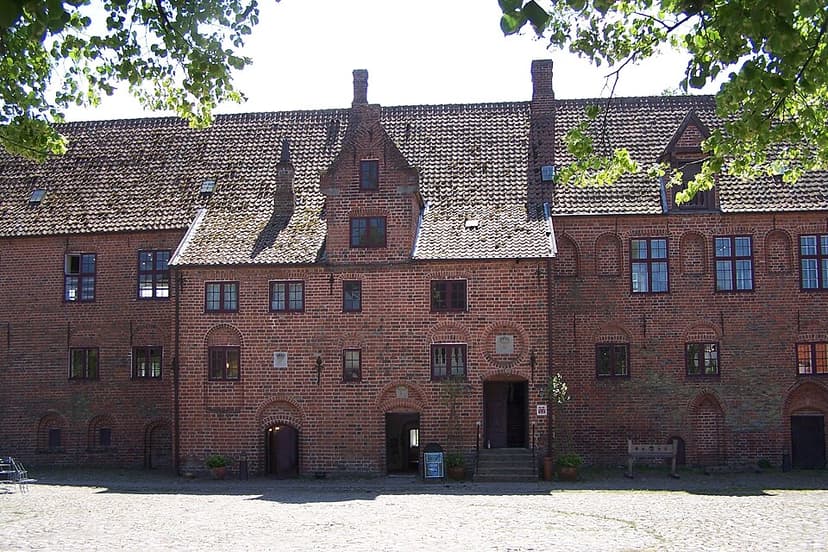
Esrum Abbey was a significant Cistercian monastery in Denmark, founded as a Benedictine house around 1140 and later joining the Cistercian order in 1151. It became a mother house for several other monasteries and played a role in royal history, particularly with Queen Helvig and Margaret I. After the Danish Reformation, the abbey was dissolved, its buildings dismantled for construction, and the site later repurposed as a hunting lodge, stud farm, barracks, and administrative offices before its restoration and current use as a museum and educational center.