
Tvis Abbey
Tvis Abbey was a former Cistercian monastery located in Jutland, Denmark, founded in 1163 by Prince Buris Henriksson. Situated on an island between two rivers near Holstebro, it was a daughter house of Herrevad Abbey. The monastery was dissolved during the Reformation, likely in 1547, and most of its structures, including the abbey church, were later demolished, leaving only the foundations visible today.
Key Facts
- ›Founded in 1163 by Prince Buris Henriksson.
- ›Established as a daughter house of Herrevad Abbey in Scania.
- ›Located on a small island between the Storå and Tvis Å rivers.
- ›Dissolved during the Reformation, likely in 1547.
- ›No visible remains exist today apart from foundations.
- ›A memorial stone was erected in 1935 over the former altar site.
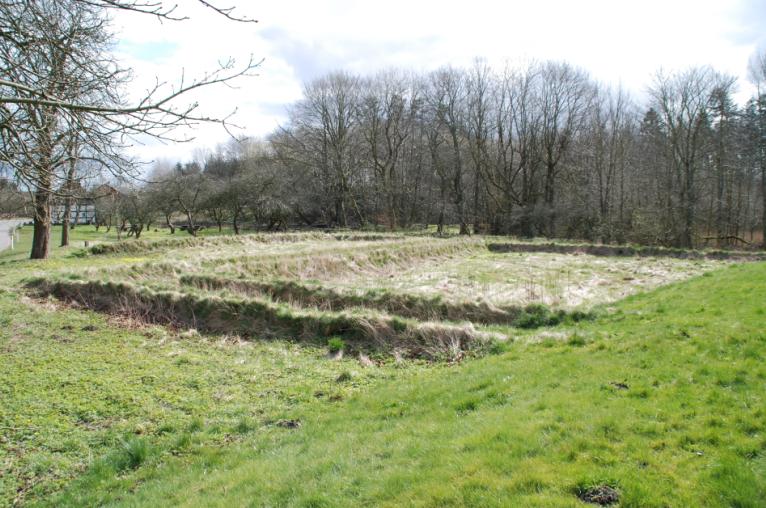
Foundations of Original Structures, Memorial Stone Marking Altar Site
Tvis Kloster, Tutta Vallis
Prince Buris Henriksson
Founding of the Abbey, Dissolution During the Reformation, Demolition of the Abbey Church, Construction of A New Parish Church
About Tvis Abbey
Tvis Abbey, also known by its Danish name Tvis Kloster and its Latin appellation Tutta vallis, was a significant former Cistercian monastery located in Jutland, Denmark. Its establishment in 1163 was initiated by Prince Buris Henriksson, the Earl of Jutland and son of Danish lord Henrik Skadelår. The abbey was founded as a daughter house of Herrevad Abbey in Scania, a region now within Sweden, and was endowed with substantial property near the village of Holstebro.
History and Dissolution
The monastery flourished for several centuries before its dissolution during the Reformation. Historical records indicate this dissolution likely occurred around 1547. Following its abandonment as a monastic institution, the abbey church, which had also served as a parish church, was demolished in 1698. A replacement structure was later erected in the west wing, but this too was removed after the construction of a new parish church in 1887. Consequently, today there are no visible remains of the abbey's original structures apart from its foundations. A memorial stone was erected in 1935 to commemorate the site of the altar within the former cemetery, marking the historical significance of the location.
Source: Wikipedia ↗
Frequently Asked Questions
When was Tvis Abbey founded?
Tvis Abbey was founded in 1163. The founding was initiated by Prince Buris Henriksson, who was the earl of Jutland at the time.
What religious order was Tvis Abbey part of?
Tvis Abbey was a Cistercian monastery. It was a daughter house established from Herrevad Abbey, which was also Cistercian.
What happened to Tvis Abbey?
The abbey was dissolved during the Reformation, with its dissolution likely occurring in 1547. Following its dissolution, the abbey church was demolished, and subsequent replacement structures were also removed.
Are there any remains of Tvis Abbey today?
Today, there are no visible remains of Tvis Abbey except for the foundations of the original structures. A memorial stone was placed in 1935 to mark the site of the altar within the former cemetery.
Where was Tvis Abbey located?
Tvis Abbey was situated in Jutland, Denmark, on a small island positioned between the Storå and the Tvis Å rivers. It was located a few kilometers south of the modern town of Holstebro.
Related Monasteries
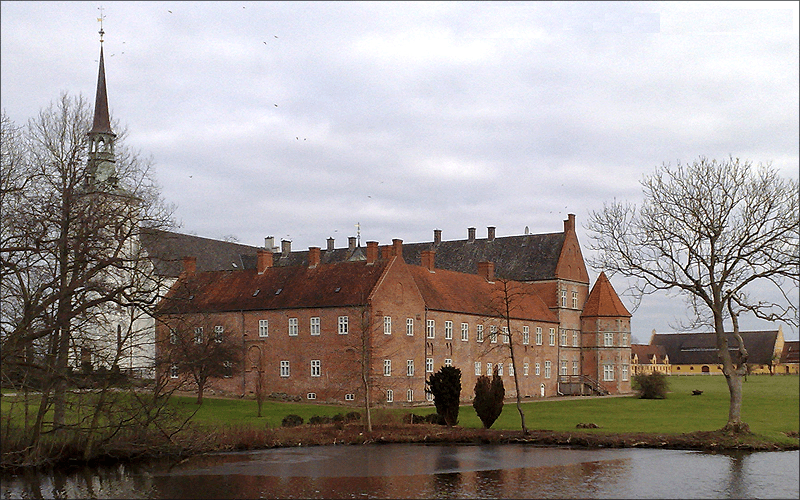
Holme Abbey
Holme Abbey, later known as Brahetrolleborg, was a Cistercian monastery founded in 1172 and settled from Herrevad Abbey. Initially built on a lake, it was destroyed by fire and rebuilt on a new site. Following the Reformation, it became crown property, eventually transitioning into a secular estate and castle under various noble families, most notably the Reventlows since 1722. The site now encompasses a castle, a former monastery church, and extensive grounds.
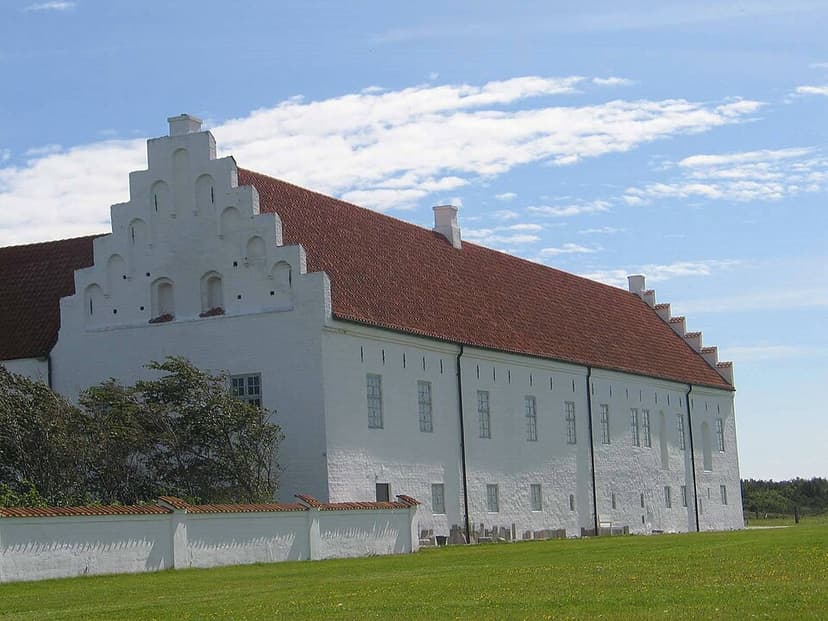
Vitskøl Abbey
Vitskøl Abbey, originally known as Vitae Schola, was a prominent Cistercian monastery active from the mid-12th century until 1563. Founded on land granted by King Valdemar I, it was intended to house the largest church in Scandinavia and became a significant landowner, cultural center, and educational institution. Following the Reformation, it became crown property, and its monastic community dissolved in 1563.

Antvorskov
Antvorskov Monastery was the principal Scandinavian headquarters of the Catholic Order of Saint John of Jerusalem, established in 1165 by King Valdemar the Great. It played a significant role as a major landowner in Denmark and a center for charitable activities, particularly for pilgrims and the sick. Following the Reformation, it transitioned into a royal residence and was later dismantled, with its materials repurposed and its lands sold off, leaving behind ruins that later became a subject of archaeological interest.