
Mondaye Abbey
Mondaye Abbey is a French Premonstratensian abbey founded in 1200, located in Juaye-Mondaye, Calvados. It is the only active Premonstratensian house in Normandy, maintaining two dependent priories. Throughout its history, Mondaye Abbey has experienced periods of flourishing and destruction, including damage during the Hundred Years' War and the French Wars of Religion, as well as significant rebuilding in the 18th century.
Key Facts
- ›Founded in 1200 by a priest named Turstin and his followers.
- ›It is the only Premonstratensian house still active in Normandy.
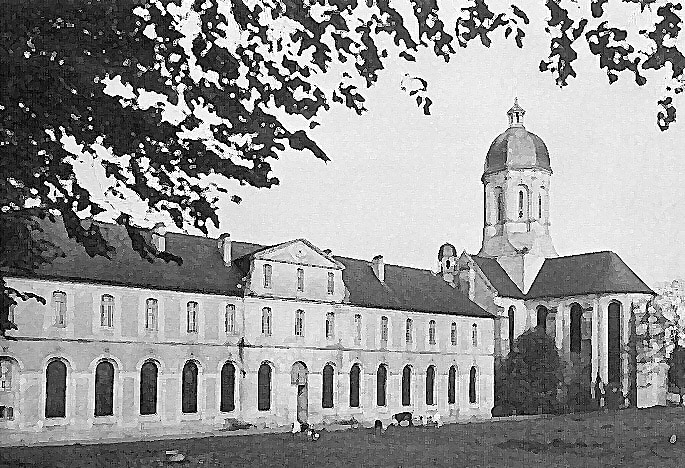
- ›The abbey was rebuilt in a Neoclassical style during the 18th century.
- ›It houses a library with approximately 40,000 volumes, some dating back to the 16th century.
- ›The church features a dome, a copy of that from the former chapel of the Château de Sceaux.
- ›The abbey was listed as a monument historique in its entirety.
Neoclassical, Louis Xv
- Library With 40,000 Volumes
- Louis Xv Organ
- 18th-Century Church With Dome
- Monument Historique Listing For the Entire Complex
Abbaye De Mondaye, Abbaye Saint-Martin De Mondaye
Turstin, Raoul De Percy, Jean Feray, Julien Guichard, Claude Leclerc Du Tremblay, Eustache Restout, Jean Ii Restout, Father Paynel, Father Goujon, Joseph Willekens, Melchior Verly, Claude Parisot, Jean-Baptiste Boisseau, Jean-Marie Gaborit
- Founded In 1200
- Ravaged During the Hundred Years' War
- Burned and Treasures Dispersed During the French Wars of Religion
- Rebuilt In Neoclassical Style From 1706
- Despoiled During the French Revolution
- Housed A CollèGe From 1806 To 1812
- Trappists Occupied Buildings From 1815 To 1854
- Premonstratensian Order Returned In 1859
- Canons Expelled and Regrouped Multiple Times Between 1880 and 1902
- Suffered Bombing During Allied Landings In June 1944
About Mondaye Abbey
Mondaye Abbey, officially known as Abbaye Saint-Martin de Mondaye, is a significant Premonstratensian abbey located in Juaye-Mondaye, Calvados, France. Founded in the year 1200, it holds the distinction of being the sole active Premonstratensian house in Normandy, maintaining jurisdiction over two dependent priories.
History and Significance
The abbey's origins lie in the mid-12th century with a hermit named Turstin, whose community was formally established by the bishop of Bayeux in 1200 and later incorporated into the Order of Saint Norbert. Over the centuries, Mondaye Abbey has weathered numerous historical challenges, including devastation during the Hundred Years' War and the French Wars of Religion, which saw the abbey burned and its abbot killed. Significant rebuilding efforts in the 18th century, under the Neoclassical style, transformed the monastic complex. The French Revolution led to the dispersal of its monks and the despoliation of its goods, though some monks later played roles in local governance and the preservation of the abbey church.
The 19th and 20th centuries brought further periods of disruption and return for the Premonstratensian community, including expulsions and exiles due to French Republican policies, and damage from World War II bombing. Despite these trials, the abbey has been consistently restored and remains an active religious center.
Architecture and Features
The architectural character of Mondaye Abbey is largely defined by its 18th-century reconstruction, executed in the Neoclassical style. The church, designed by Eustache Restout, is notable for its dome, inspired by the chapel of the Château de Sceaux. The abbey also houses an impressive Louis XV-era organ, crafted by Claude Parisot and restored in the late 20th and early 21st centuries. The monastic buildings, including the cloister and library, reflect this period of rebuilding. The abbey's library contains approximately 40,000 volumes, with some dating back to the 16th century. The entire complex, encompassing the church, monastic buildings, and farm structures, is recognized as a monument historique.
Present Day
Today, Mondaye Abbey continues its communal life and external ministry, with canons serving in various parishes and as chaplains. The abbey welcomes visitors, offering guided tours of its accessible areas and operating a shop that sells products made on-site. The community engages with the lay world, reflecting a blend of traditional monastic life and contemporary outreach.
Source: Wikipedia ↗
Frequently Asked Questions
When was Mondaye Abbey founded?
Mondaye Abbey was founded in the year 1200. Its origins trace back to the mid-12th century when a priest named Turstin withdrew to live as a hermit, attracting followers.
What is the religious order of Mondaye Abbey?
Mondaye Abbey belongs to the Premonstratensian order, also known as the Order of Saint Norbert. It was incorporated into this order in 1210.
Is Mondaye Abbey still active today?
Yes, Mondaye Abbey is still active and is the only Premonstratensian house remaining operational in Normandy. It continues to house a monastic community.
Can visitors go to Mondaye Abbey?
Yes, parts of Mondaye Abbey are open to the public for visits, with an entrance fee. Visitors are guided by a canon, and the abbey shop sells items made on-site.
What architectural styles can be found at Mondaye Abbey?
The abbey features significant 18th-century Neoclassical architecture, particularly in the reconstruction of the church, monastic buildings, and farm. The church's dome is a notable element, and the organ is a fine example of Louis XV-era art.
What notable features does Mondaye Abbey possess?
The abbey boasts a significant library with 40,000 volumes, a 1741 Louis XV-era organ, and church architecture designed by Eustache Restout, including a dome. Its entire complex is listed as a monument historique.
Related Monasteries

Frigolet Abbey
Frigolet Abbey is a significant Premonstratensian monastery complex located in Southern France, originally founded around 960. Over its history, it has been occupied by Benedictine monks, canons regular, and various Augustinian orders before being restored and canonically erected as an abbey by the Premonstratensians in the 19th century. The abbey has faced periods of suppression and expulsion, notably during the French Revolution and subsequent anti-clerical laws, but has persevered and continues to operate today.

Gottstatt Abbey
Gottstatt Abbey was a Premonstratensian monastery established in 1255 by Count Rudolf I von Neuchâtel-Nidau in what is now Switzerland. It served as a local pilgrimage site and the burial church for the Counts of Neuchâtel-Nidau before being acquired by Bern. The monastery was closed during the Reformation in 1528 and its buildings were later used as a secular administrative seat before being returned to the Reformed Church and now functions as a parish church.
Tongland Abbey
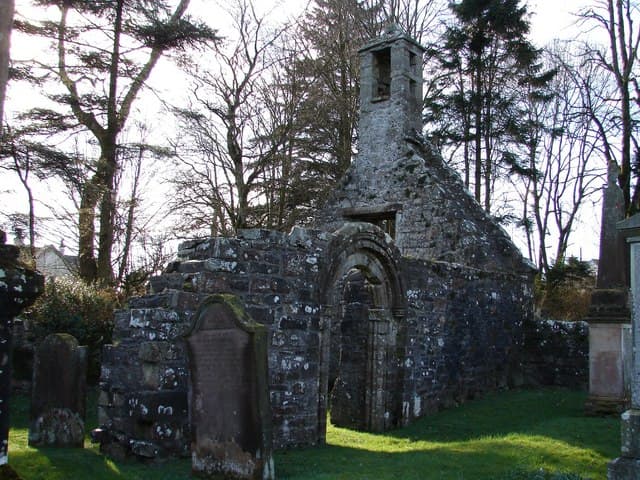
Tongland Abbey was a Premonstratensian monastic community in Scotland, likely founded around 1218. Its early history is largely obscure, though it gained some notoriety during the tenure of Abbot John Damian, an Italian alchemist. By the early 16th century, the abbey's fabric and discipline had declined significantly, leading to attempts at reform and eventual grant to the bishop of Galloway.