
Mönchengladbach
Mönchengladbach, originally known as Gladbach, is a city in North Rhine-Westphalia, Germany, founded around Gladbach Abbey in 974. The abbey and its associated villages developed into a town in the 14th century. The city's name has evolved over time to distinguish it from other places named Gladbach and to avoid confusion with Munich. Historically significant for its abbey and later its textile industry, Mönchengladbach is now a diverse economic center.
Key Facts
- ›Founded around Gladbach Abbey in 974.
- ›Received its town charter in 1364–1366.
- ›The abbey was closed and its library scattered under French law in 1802.
- ›Became part of the Kingdom of Prussia in 1815.
- ›Experienced significant industrial growth due to the textile industry from the MID-19th to MID-20th centuries.
- ›The city has two main railway stations: Mönchengladbach Hauptbahnhof and Rheydt Hauptbahnhof.

Gladbach Minster, Gladbach Abbey, Municipal Abteiberg Museum, Municipal Museum Schloss Rheydt, Museum Im Wasserturm Rheindahlen, Museum Altes Zeughaus, Museum Schloss Wickrath, Bunter Garten, Wasserturm MöNchengladbach
Gladbach, MüNchen-Gladbach
Gero, Archbishop of Cologne, Sandrad of Trier, Joseph Goebbels
Founding of Gladbach Abbey, Receiving Town Charter, French Revolution Troops March Into Town, Abbey Closed Under French Law, Part of Kingdom of Prussia, Bombing By Raf
About Mönchengladbach
Mönchengladbach is a city located in North Rhine-Westphalia, Germany, situated west of the Rhine river and midway between Düsseldorf and the Dutch border. The city's history is deeply intertwined with its origins as Gladbach, a settlement that grew around Gladbach Abbey, founded in 974 by Archbishop Gero of Cologne and the monk Sandrad of Trier. The abbey and adjacent villages were granted town status in the 14th century, receiving their town charter between 1364 and 1366. The city's name has undergone several changes to distinguish it from other places named Gladbach and to avoid confusion, eventually becoming Mönchengladbach.
Early History and Development
The earliest human settlements in the Mönchengladbach area date back hundreds of thousands of years, with evidence of Homo erectus and Neanderthal presence. The establishment of Gladbach Abbey in the 10th century marked the beginning of the city's recorded history. Monks established a market north of the church in the 12th century, attracting craftsmen and contributing to the settlement's growth. The town developed within the Duchy of Jülich until the end of the 18th century. A significant turning point occurred in 1801 when, following the cession of the left bank of the Rhine to France, the abbey was closed, and its considerable library was dispersed.
Recent History and Economy
After becoming part of the Kingdom of Prussia in 1815, Mönchengladbach evolved into an industrial center, particularly known for its textile industry from the mid-19th to the mid-20th century. The post-World War II era saw a major structural shift, with a decline in the textile sector and the rise of new economic areas including mechanical engineering, logistics, the creative industry, and health. Today, Mönchengladbach is a diversified business location, with major employers like Santander Consumer Bank and companies in various manufacturing sectors. Tourism also plays a role, with the city attracting visitors to its hotels and to events, including those at Mönchengladbach Airport, which primarily serves general aviation.
Source: Wikipedia ↗
Frequently Asked Questions
What is the original name of Mönchengladbach?
The original name of the city was Gladbach. It was later renamed München-Gladbach, meaning 'Monks' Gladbach', to honor the abbey, and eventually evolved to its current name, Mönchengladbach.
When was Mönchengladbach founded?
The city's origins trace back to the founding of an abbey in 974 by Gero, Archbishop of Cologne, and the monk Sandrad of Trier. The settlement around the abbey grew and received its town charter in the 14th century.
What was the significance of the Gladbach Abbey?
The Gladbach Abbey was central to the city's founding and early development. It housed a well-known library, the contents of which were dispersed when the abbey was closed under French law in 1802.
How did Mönchengladbach's economy develop?
Mönchengladbach's economy was significantly shaped by the textile industry from the mid-19th to mid-20th centuries. After World War II, the city underwent structural changes, diversifying into sectors like mechanical engineering, logistics, the creative industry, and health.
Why does Mönchengladbach have two main railway stations with similar names?
The city has two main railway stations, Mönchengladbach Hauptbahnhof and Rheydt Hauptbahnhof, due to the historical merger of the independent city of Rheydt into Mönchengladbach. The name Rheydt Hauptbahnhof was retained from its time as an independent city.
Related Monasteries

Meschede
Meschede is a town in North Rhine-Westphalia, Germany, and the capital of the Hochsauerland district. Founded in the 10th century around a convent, it later became a member of the Hanseatic League. The town experienced significant destruction during World War II due to its strategic railway station but was rebuilt afterwards. Today, Meschede is known for its educational institutions, industrial companies, and tourism, with Abbey Königsmünster as a notable sight.
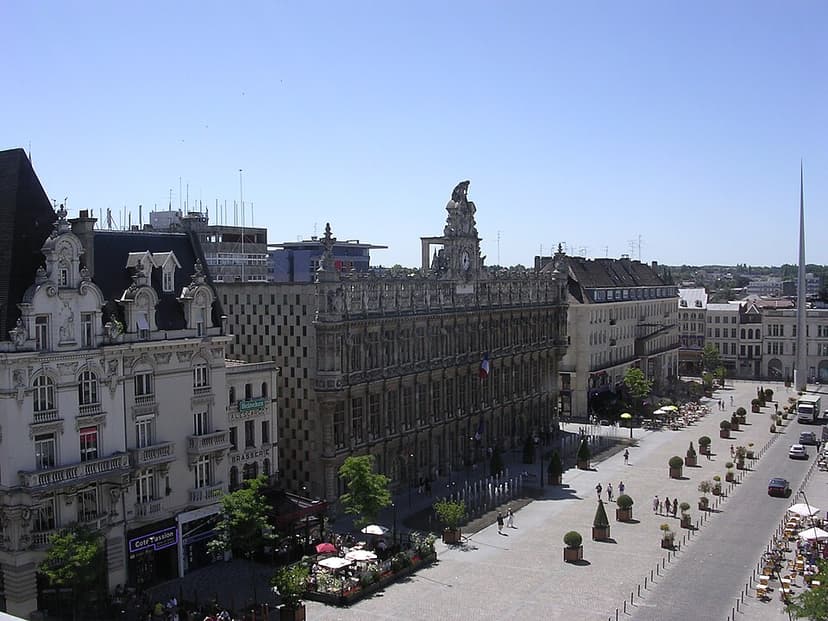
Valenciennes
Valenciennes is a historic commune in northern France, situated on the Scheldt River. It played a significant role in religious and military history, notably hosting a pivotal Dominican Order chapter in 1259 and enduring numerous sieges throughout the centuries. While much of the city was rebuilt after extensive destruction in both World Wars, remnants of its past, such as the Hôtel de Ville façade and the Basilica of Notre-Dame du Saint-Cordon, endure.
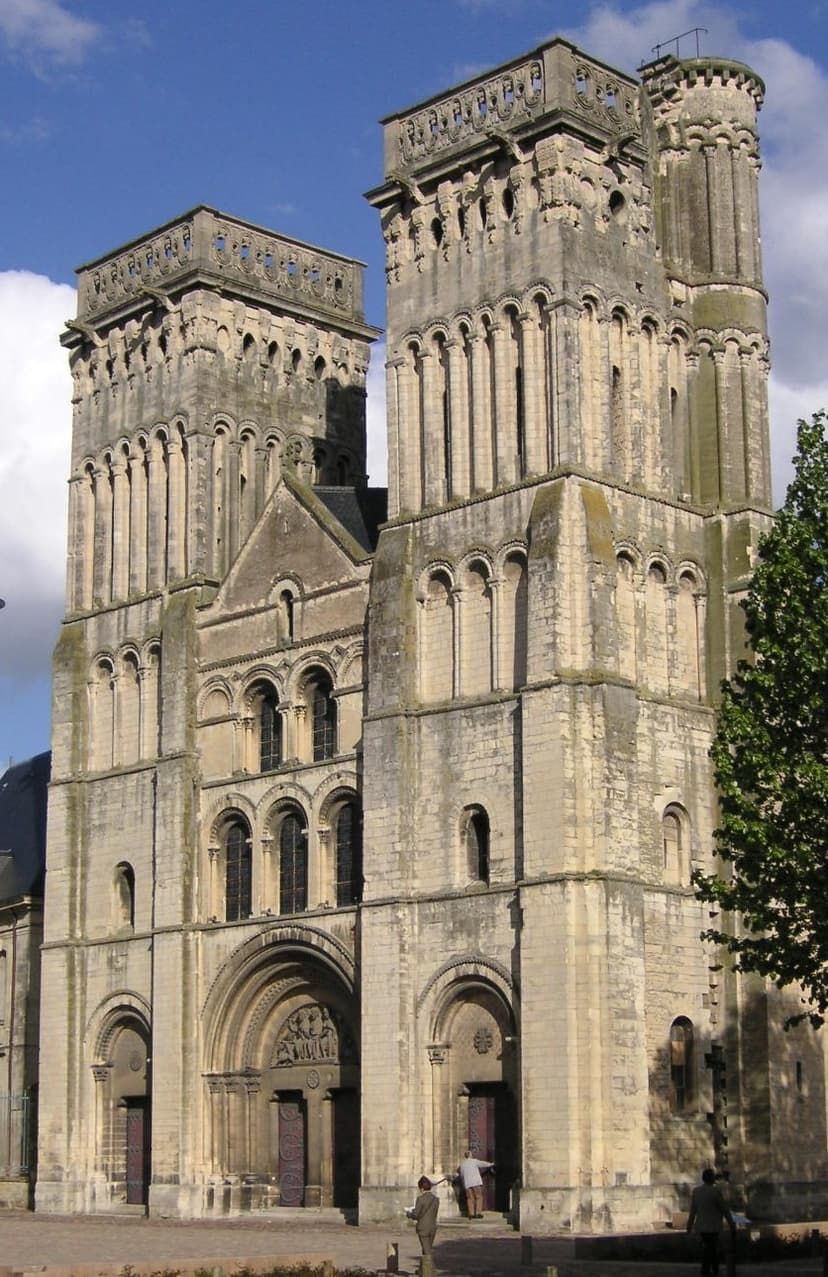
Caen
Caen is a historic city in Normandy, known for its significant role during the reign of William the Conqueror, who was buried there, and for the devastating Battle for Caen in 1944. It boasts impressive medieval architecture, including the Château de Caen and two significant abbeys, Sainte-Trinité and Saint-Étienne. Despite extensive destruction during World War II, Caen has been rebuilt and now serves as a modern urban center with a memorial dedicated to peace.