
Meschede
Meschede is a town in North Rhine-Westphalia, Germany, and the capital of the Hochsauerland district. Founded in the 10th century around a convent, it later became a member of the Hanseatic League. The town experienced significant destruction during World War II due to its strategic railway station but was rebuilt afterwards. Today, Meschede is known for its educational institutions, industrial companies, and tourism, with Abbey Königsmünster as a notable sight.
Key Facts
- ›Founded in the 10th century around a convent (Walpurgis-Stift).
- ›Became a member of the Hanseatic League in 1572.
- ›Suffered significant destruction from Allied air raids in February 1945 during World War II.
- ›Home to a branch of the South Westphalia University of Applied Sciences.
- ›Notable sights include Abbey Königsmünster and Lake Hennesee.
- ›The town is situated in the Ruhr valley.

Walpurgis-Stift, Abbey KöNigsmüNster, Lake Hennesee
- Founded As A Settlement Around A Convent In the 10th Century.
- Became A Member of the Hanseatic League In 1572.
- Suffered From Dysentery Epidemics In the 18th Century.
- Exploitation of Pows In Labor Camps During Wwi and Wwii.
- Destroyed By Allied Air Raid Bombings In February 1945.
- Site of A Smallpox Outbreak At St. Walburga Hospital In 1970.
About Meschede
Meschede is a town located in the Hochsauerland district of North Rhine-Westphalia, Germany, serving as the capital of its district. Its history traces back to the 10th century when it began as a settlement that grew around a convent known as the Walpurgis-Stift. Over centuries, Meschede evolved, notably becoming a member of the Hanseatic League in 1572, signifying its importance in medieval trade networks.
The town's strategic location, particularly its railway station, made it a target during World War II. Allied air raids in February 1945 led to significant destruction, though it was subsequently rebuilt. Beyond its historical context, Meschede is a modern center for education, hosting a branch of the South Westphalia University of Applied Sciences. The local economy is supported by key industries, including a presence from Deutsche Telekom, the Veltins Brewery, and the Honsel factory, alongside a growing tourism sector.
Notable Features and Surroundings
A prominent landmark in Meschede is the Abbey Königsmünster, an establishment of the Order of Saint Benedict, which contributes to the town's religious and architectural heritage. The nearby Lake Hennesee is a significant recreational area, offering visitors and residents opportunities for various outdoor activities. Meschede's geographical setting within the Ruhr valley and its proximity to nature parks further enhance its appeal as a place that blends industrial significance with natural beauty.
Source: Wikipedia ↗
Frequently Asked Questions
When was Meschede founded?
Meschede was founded in the 10th century. Its origins are linked to the establishment of a convent known as the Walpurgis-Stift in the area.
What is Meschede known for historically?
Historically, Meschede was a member of the Hanseatic League starting in 1572. During both World Wars, it was noted for its use of POWs in labor camps, and the town itself was heavily bombed in World War II due to its railway station.
What are the main economic activities in Meschede?
Meschede is home to major companies such as a department of Deutsche Telekom, the Veltins Brewery, and the Honsel factory, which produces car parts. Tourism is also an important contributor to the town's economy.
What educational institutions are located in Meschede?
One of the five branches of the South Westphalia University of Applied Sciences (Fachhochschule Südwestfalen) is situated in Meschede.
What are the main tourist attractions in Meschede?
Key attractions in Meschede include the Abbey Königsmünster, built by the Order of Saint Benedict, and Lake Hennesee, which serves as the town's primary recreational area.
Related Monasteries

Mönchengladbach
Mönchengladbach, originally known as Gladbach, is a city in North Rhine-Westphalia, Germany, founded around Gladbach Abbey in 974. The abbey and its associated villages developed into a town in the 14th century. The city's name has evolved over time to distinguish it from other places named Gladbach and to avoid confusion with Munich. Historically significant for its abbey and later its textile industry, Mönchengladbach is now a diverse economic center.
Valenciennes
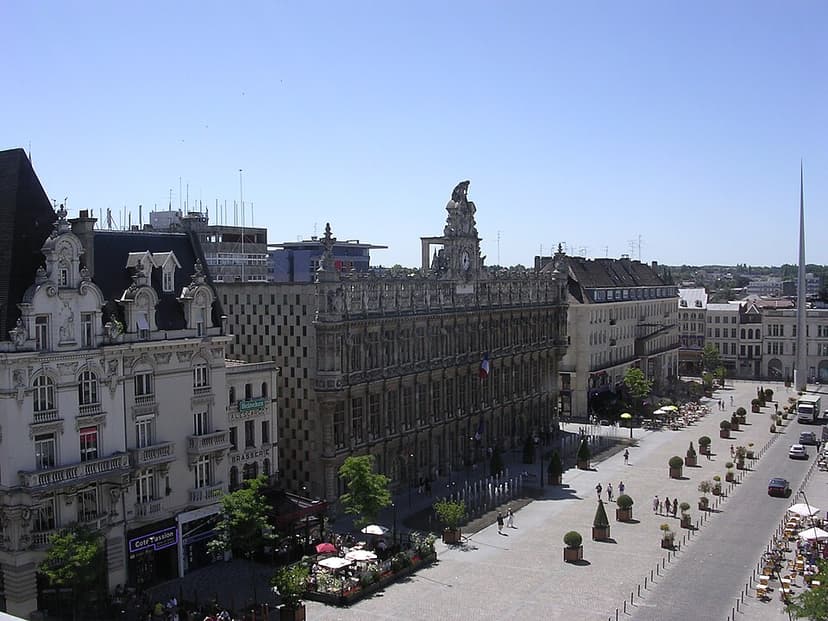
Valenciennes is a historic commune in northern France, situated on the Scheldt River. It played a significant role in religious and military history, notably hosting a pivotal Dominican Order chapter in 1259 and enduring numerous sieges throughout the centuries. While much of the city was rebuilt after extensive destruction in both World Wars, remnants of its past, such as the Hôtel de Ville façade and the Basilica of Notre-Dame du Saint-Cordon, endure.
Caen
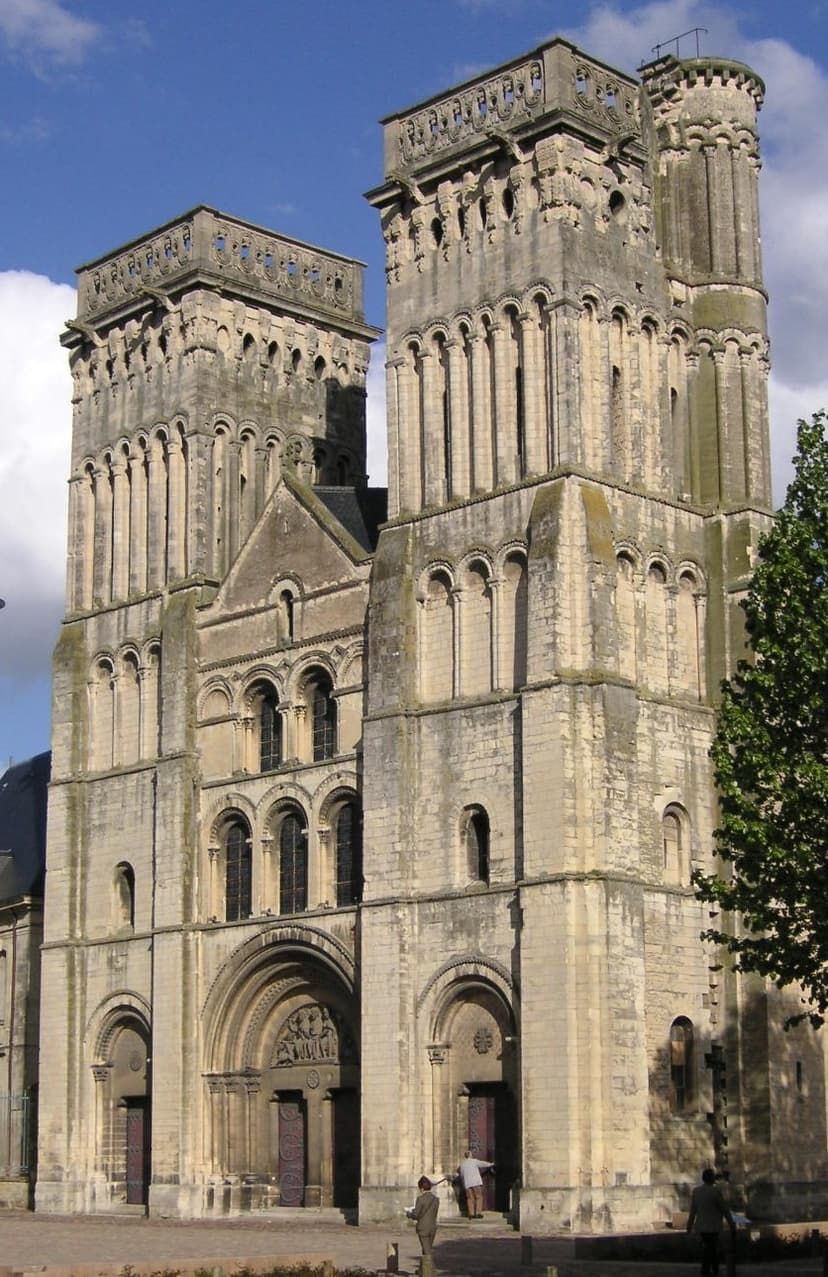
Caen is a historic city in Normandy, known for its significant role during the reign of William the Conqueror, who was buried there, and for the devastating Battle for Caen in 1944. It boasts impressive medieval architecture, including the Château de Caen and two significant abbeys, Sainte-Trinité and Saint-Étienne. Despite extensive destruction during World War II, Caen has been rebuilt and now serves as a modern urban center with a memorial dedicated to peace.