
Caen
Caen is a historic city in Normandy, known for its significant role during the reign of William the Conqueror, who was buried there, and for the devastating Battle for Caen in 1944. It boasts impressive medieval architecture, including the Château de Caen and two significant abbeys, Sainte-Trinité and Saint-Étienne. Despite extensive destruction during World War II, Caen has been rebuilt and now serves as a modern urban center with a memorial dedicated to peace.
Key Facts
- ›Founded as a ducal capital of Normandy in 912.
- ›Château de Caen, one of Europe's largest medieval fortresses, was built around 1060 by William the Conqueror.
- ›Home to two significant abbeys founded in the 11th century: Abbaye aux Hommes (Church of Saint-Étienne) and Abbaye aux Dames (Church of Sainte-Trinité).
- ›Suffered heavy damage during the Hundred Years' War and World War II.
- ›The Mémorial de Caen, a museum dedicated to peace, was established in 1988.
- ›The city's urban area is the 19th largest in France.
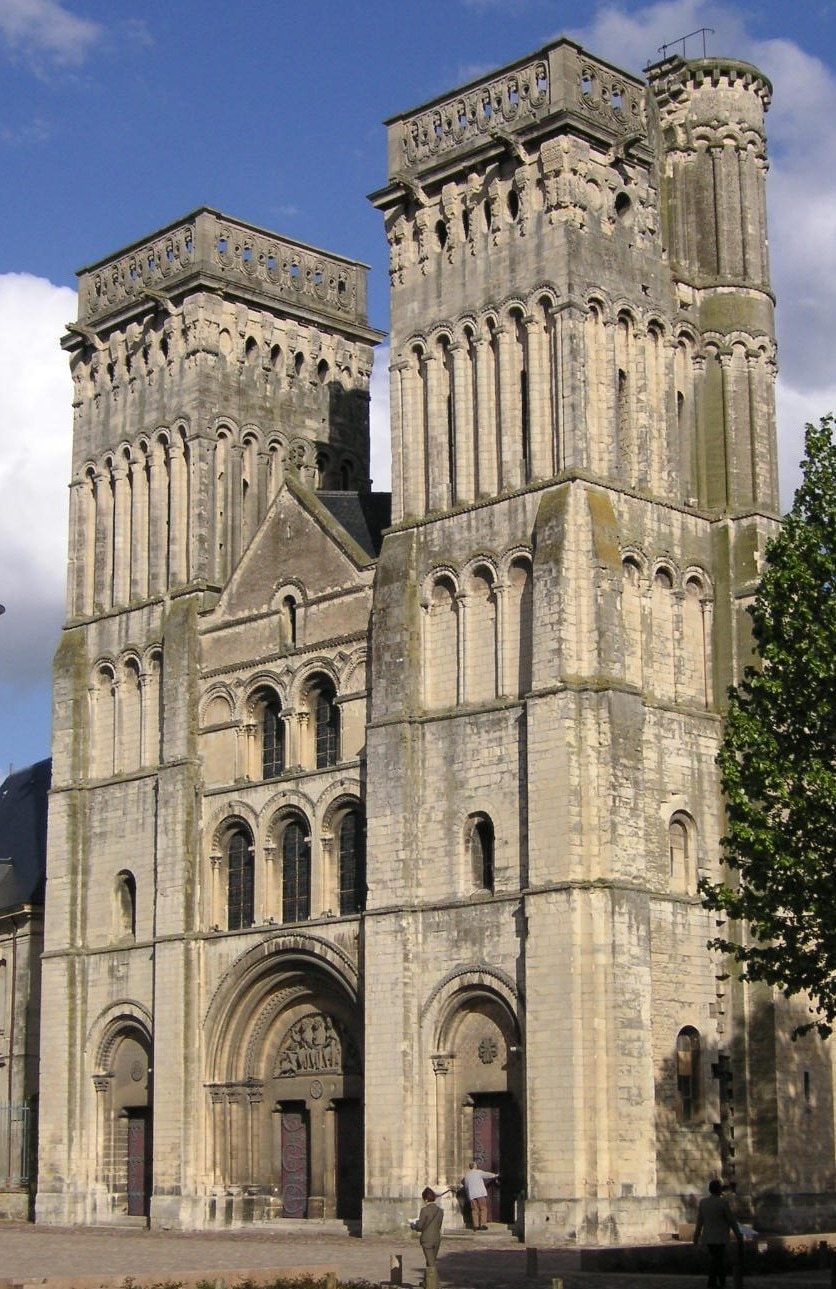
Romanesque, Gothic, Medieval
ChâTeau De Caen, Abbaye Aux Hommes, Abbaye Aux Dames, MéMorial Pour La Paix, Jardin Botanique De Caen, Canal De Caen à La Mer
Catumagos, Cadon, Kadum, CaþUm
William the Conqueror, Matilda of Flanders, Elie Wiesel
- Became Western Capital of the Duchy of Normandy
- Construction of ChâTeau De Caen
- Founding of Abbaye Aux Hommes and Abbaye Aux Dames
- Sacked By English Forces
- Captured By Henry V
- Recaptured By French Forces
- Battle For Caen During World War Ii
About Caen
Caen: A City of William the Conqueror and Resilience
Caen, situated 15 km inland from the northwestern coast of France in the Calvados department, is a city with a rich and complex history. Its strategic importance began in 912 when it became the western capital of the Duchy of Normandy. The city is most famously associated with William the Conqueror, who initiated the construction of the formidable Château de Caen around 1060, a fortress that remains one of the largest medieval structures in Western Europe. William also commissioned the founding of two significant abbeys: the Abbaye aux Hommes (Church of Saint-Étienne) and the Abbaye aux Dames (Church of Sainte-Trinité), both completed in the mid-11th century.
Throughout its history, Caen experienced periods of both prosperity and conflict. It was a site of contention during the Hundred Years' War, suffering sieges and sacks in the 14th and 15th centuries. However, the city's most devastating period came during World War II. Captured by German forces in 1940, Caen became a brutal battleground during the Battle of Normandy in 1944. Heavy fighting and Allied bombing raids inflicted immense destruction, leaving little of the pre-war city standing. The reconstruction efforts that followed continued for many years.
Today, Caen is a vibrant urban center that honors its past while looking towards the future. The Château de Caen now houses the Musée des Beaux-Arts (Museum of Fine Arts) and the Musée de Normandie, offering insights into the region's art and history. A poignant reminder of its wartime experiences and a testament to its commitment to peace is the Mémorial de Caen, a museum dedicated to the events surrounding D-Day and the broader pursuit of peace. Despite the scars of war, Caen stands as a symbol of resilience, preserving its historical heritage while functioning as a significant modern city.
Source: Wikipedia ↗
Frequently Asked Questions
What is Caen most famous for historically?
Caen is historically renowned for its association with William the Conqueror, who built its castle and was buried in the city. It also played a significant role during the Hundred Years' War and was a focal point of intense fighting during the Battle of Normandy in World War II.
What are the most important historical buildings in Caen?
Key historical structures include the Château de Caen, one of the largest medieval fortresses in Western Europe, and the two abbeys founded by William the Conqueror: the Abbaye aux Hommes (Church of Saint-Étienne) and the Abbaye aux Dames (Church of Sainte-Trinité).
How was Caen affected by World War II?
During World War II, Caen was captured by German forces and became the site of the intense Battle for Caen from June to August 1944. Allied bombing raids caused extensive damage, destroying much of the pre-war city and numerous civilian casualties.
What is the Mémorial de Caen?
The Mémorial de Caen, or Memorial for Peace, is a museum established in 1988. It chronicles the events leading up to and following D-Day during World War II and serves as a place for reflection on peace and conflict resolution.
What is the origin of the name 'Caen'?
The name 'Caen' is believed to have Gaulish origins, possibly stemming from the words 'catu-' (military activities) and 'magos' (field), suggesting 'maneuver field' or 'battlefield'. Early references include Cadon, Cadumus, and Cathim.
Related Monasteries

Laon
Laon is a historically significant city in northern France, perched atop a strategic plateau in the Picardy plain. Its origins as a fortified Gallic and Roman settlement, known then as Alaudanum or Lugdunum Clavatum, mark it as a site of enduring military importance. Over centuries, Laon served as a key town in the Frankish kingdom, a royal seat for Carolingian kings, and a center of intellectual life, most notably with the renowned theological school of Anselm of Laon. The city is distinguished by its impressive Gothic cathedral and numerous medieval structures, reflecting its rich past as a bishopric and its involvement in pivotal French historical events.

Reims
Reims is a historically significant city in northeastern France, renowned as the traditional coronation site for French kings. Its heritage spans from Roman times to Art Deco, with its Cathedral, Palace of Tau, and Abbey of Saint-Remi recognized as a UNESCO World Heritage Site for their architectural and historical importance. The city is also a central hub for Champagne production, with extensive chalk caves dating back to Roman times used for aging the renowned wine.

Autun
Autun, originally founded as Augustodunum by Emperor Augustus, served as the Roman capital for the Gallic Aedui people. It boasts significant Roman architectural remains, including gates and a theatre, and later became known for its schools of rhetoric. The city's historical importance continued through the medieval period, highlighted by the construction of the Romanesque Autun Cathedral, renowned for its sculptural program.