
Maroilles Abbey
Maroilles Abbey was a significant Benedictine monastery located in Maroilles, France, founded around 650 by Count Chonebert. It played a notable role in the region for over a millennium, housing relics and following the Rule of St. Benedict. Despite periods of damage and repair, the abbey reached its zenith in the 18th century before being suppressed and largely destroyed during the French Revolution.
Key Facts
- ›Founded around 650 by Count Chonebert (or Radobert).
- ›Followed the Rule of St. Benedict from the 9th century until its suppression.
- ›Famous for its association with the origin of Maroilles cheese.
- ›Suffered damage in various wars, particularly in the 14th and 15th centuries.
- ›Largely destroyed during the French Revolution, with only parts of the portal and guesthouse remaining.

Relics Brought From Rome, Statuette of the Virgin Mary, Portal, Guesthouse, Tithe Barn
Abbaye De Maroilles
Saint Humbert of Maroilles, Saint Curcodomus, Gerard of Florennes
Sacked By Villagers In 1789, Used As A Quarry Between 1791 and 1794, Repaired and Restored In 1025
About Maroilles Abbey
Maroilles Abbey, known in French as Abbaye de Maroilles, was a historically significant Benedictine monastery situated in the village of Maroilles within the Nord department of France. Its origins trace back to approximately 650 AD, founded by Count Chonebert, with Saint Humbert of Maroilles serving as its first abbot. Following the Rule of St. Benedict from the 9th century onwards, the abbey was a prominent religious institution for over a thousand years.
History and Significance
The abbey's history is marked by periods of growth, damage, and restoration. Saint Humbert's return from Rome with relics and a statuette of the Virgin Mary, who became the patroness of the abbey church under the title Maroilles Notre Dame des Affligés, highlights its early religious importance. After suffering damage from Norman invasions, it was repaired in 1025 by Gerard of Florennes. The monastery endured further hardship during wars in the 14th and 15th centuries, with significant reconstruction efforts undertaken in the 16th and 18th centuries. Maroilles Abbey reached its peak in terms of power and wealth during the 18th century.
French Revolution and Legacy
The abbey's prosperity made it a target during the French Revolution. In July 1789, it was sacked by local villagers. Between 1791 and 1794, the abbey was systematically dismantled and used as a quarry, resulting in the destruction of its church, cloister, and most of its walls. Today, only fragments of the portal and the guesthouse remain. The former tithe barn (grange dimière), however, has been restored and now serves as a tourism and information center, offering insights into the region's natural and cultural heritage. Maroilles Abbey is also popularly associated with the origin of the renowned Maroilles cheese, said to have been first made by a monk there around 962.
Source: Wikipedia ↗
Frequently Asked Questions
When was Maroilles Abbey founded?
Maroilles Abbey was founded around the year 650. Its establishment is attributed to Count Chonebert, also known as Radobert.
What religious order was Maroilles Abbey a part of?
Maroilles Abbey was a Benedictine monastery. It adhered to the Rule of St. Benedict from the 9th century until its suppression during the French Revolution.
What happened to Maroilles Abbey during the French Revolution?
During the French Revolution, the abbey was targeted and sacked by villagers in 1789. Between 1791 and 1794, it was used as a quarry, leading to the disappearance of the abbey church and cloister.
What remains of Maroilles Abbey today?
Today, only portions of the portal and the guesthouse survive from the original abbey complex. The former tithe barn has been restored and now serves as a tourism and information center.
Is Maroilles Abbey linked to Maroilles cheese?
Yes, Maroilles cheese is often reported to have originated with a monk at Maroilles Abbey. This tradition suggests the cheese was first made there around 962.
Related Monasteries

Menat Abbey
Menat Abbey is one of the oldest monastic foundations in the Auvergne region of France, established in the village of Menat. Rebuilt and reformed in the late 7th century, it became a significant center for monastic reform and a wealthy priory with numerous dependencies. Although it faced periods of decline, destruction, and sale during the French Revolution, parts of its Romanesque structure, including the church, have been preserved and repurposed.
Sint-Truiden
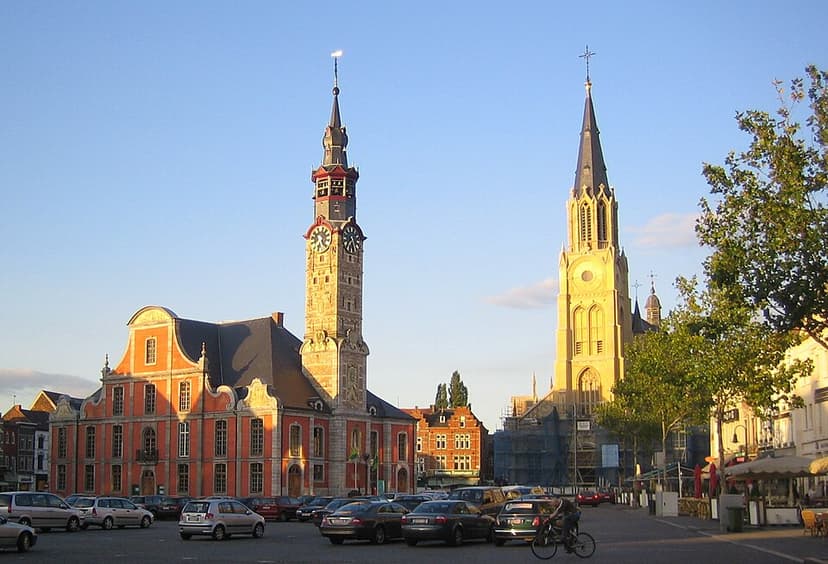
Sint-Truiden is a Belgian city that developed around an abbey founded in the 7th century by St. Trudo. It grew into a significant pilgrimage center and prosperous town known for its linen industry and trade. After a period of decline, the city revitalized as the center of a fruit-producing region and has retained several historical and architectural landmarks.
Waltham Abbey
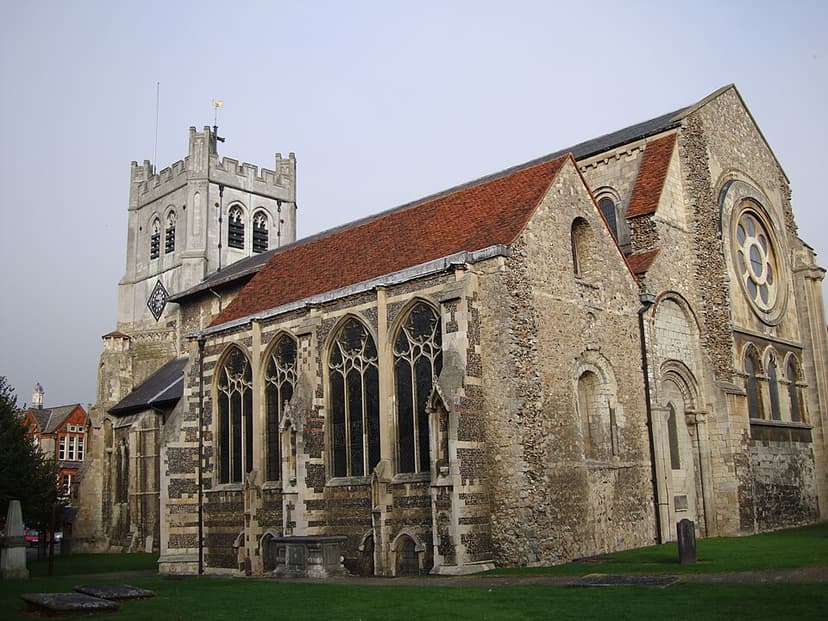
Waltham Abbey, officially the Abbey Church of Waltham Holy Cross and St Lawrence, has a history of continuous worship dating back to the 7th century. Originally a monastic site, it was refounded as an Augustinian abbey in 1177 and became a major pilgrimage destination before its closure in 1540 during the Dissolution of the Monasteries. The present building primarily dates from the early 12th century, showcasing Norman architecture, and continues to serve as the parish church for the town of Waltham Abbey, England.