
Marcheroux Abbey
Marcheroux Abbey was a Premonstratensian monastery founded in the 12th century in Picardy, France, dedicated to Saint Nicholas. Despite facing destruction and financial challenges throughout its history, it joined a reform movement in the 17th century before being suppressed during the French Revolution. Today, significant portions of the abbey church and conventual buildings remain, though some of its original fittings are housed in local parish churches.
Key Facts
- ›Founded in the 12th century, with the current site established around 1145.
- ›It was a Premonstratensian monastery, dedicated to Saint Nicholas.
- ›Suffered destruction multiple times, including in the late 12th/early 13th centuries and around 1430.
- ›Rebuilt in the early 16th century, with a new church dedicated in 1536.
- ›Suppressed during the French Revolution in 1791.
- ›The site is registered as a monument historique in France.

Gothic, Baroque
- 13th-Century Choir and Apse
- 17th-Century Conventual Building
- 18th-Century Gateway
- Original Choir Stalls and Altars Now In Local Parish Churches
Abbaye De Marcheroux, Abbaye Saint-Nicolas-De-Marcheroux, Marchasium Radulphi
Ulric, Saint Norbert of Xanten, Ansculphe De SéNots, Servais De Lairuelz
- Establishment of Initial Community In 1122
- Move To Marcheroux Site Around 1145
- Confirmation of Foundation By Pope Eugene Iii In 1147
- Destruction By Guyard
- Destruction By English Troops Around 1430
- Rebuilding and Dedication of New Church In 1536
- Collapse of New Church In 1615
- Joining Reformist Movement In 1668
- Falling Into Hands of Commendatory Abbots In 1727
- Suppression and Sale of Assets In 1791
About Marcheroux Abbey
Marcheroux Abbey, also known as Abbaye Saint-Nicolas-de-Marcheroux or in Latin as Marchasium Radulphi, is a former Premonstratensian monastery situated in Beaumont-les-Nonains, within the region of Picardy, France. The site has been recognized for its historical significance and is registered as a monument historique.
History and Foundation
The origins of Marcheroux Abbey trace back to 1122, when Ulric, a companion of Saint Norbert of Xanten, established a religious community called Saint-Nicolas-en-Thelle. Around 1145, the landowner Ansculphe de Sénots gifted land in Marcheroux, a location less than five kilometers away, to which the abbey relocated shortly thereafter. Pope Eugene III officially confirmed the foundation in 1147. The abbey was initially subordinate to the Abbey of Saint-Josse de Dommartin. Ansculphe de Sénots also provided a farm at Beaumont, where Ulric established a nunnery, a historical detail that gave the present-day Beaumont-les-Nonains its name.
Marcheroux Abbey faced numerous challenges throughout its existence. It was laid waste by Guyard in the late 12th and early 13th centuries and was destroyed again by English troops around 1430, remaining in ruins until the early 16th century. A new abbey church was dedicated in 1536 but tragically collapsed in 1615. In 1668, the abbey joined a reformist movement aimed at restoring earlier discipline. By 1727, it came under the administration of commendatory abbots. At the time of the French Revolution in 1791, when the monastery was suppressed and its assets were sold, only seven canons remained. In the 19th century, the abbey church, having lost its vaulting, was repurposed as a barn.
Architectural Remains
Today, significant portions of Marcheroux Abbey survive. The abbey church retains parts of its 13th-century choir and apse, while the nave and west front date from a rebuilding phase around 1710. The 17th-century conventual building and an 18th-century gateway are also still extant. Some of the abbey church's original fittings have been preserved and relocated to local parish churches, including sixteen choir stalls and altars, with some pieces bearing inscriptions from the early 18th century.
Source: Wikipedia ↗
Frequently Asked Questions
When was Marcheroux Abbey founded?
The religious community that would become Marcheroux Abbey was established in 1122. The abbey itself moved to the Marcheroux site in or around 1145, and its foundation was confirmed by Pope Eugene III in 1147.
What religious order was Marcheroux Abbey part of?
Marcheroux Abbey was part of the Premonstratensian Order, also known as the Canons Regular of Premontré. This order was founded by Saint Norbert of Xanten.
What is the current status of Marcheroux Abbey?
Marcheroux Abbey is no longer an active monastery. It was suppressed during the French Revolution in 1791, and its assets were sold. Today, the remaining structures are registered as a monument historique.
What remains of Marcheroux Abbey today?
The abbey church still exists, retaining parts of its 13th-century choir and apse, with the nave and west front dating from around 1710. The 17th-century conventual building and an 18th-century gateway are also still standing.
Are any parts of Marcheroux Abbey's original fittings still visible?
Yes, some fabric and fittings from the abbey church are now located in nearby parish churches. These include sixteen choir stalls, altars, and retables, some of which are dated to the early 18th century.
Related Monasteries
Almenêches Abbey
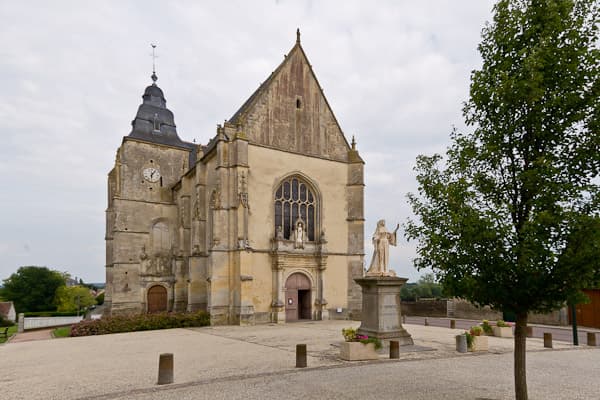
Almenêches Abbey was a Benedictine nunnery established in the 6th century in Almenêches, Normandy. After an initial abandonment, it was refounded in the 11th century and experienced periods of destruction and rebuilding due to conflict and fires. Despite efforts at reform, the community was eventually transferred to Argentan Abbey in the 18th century, and its church later served various purposes before being listed as a Monument historique.
Abbey of Loc-Dieu
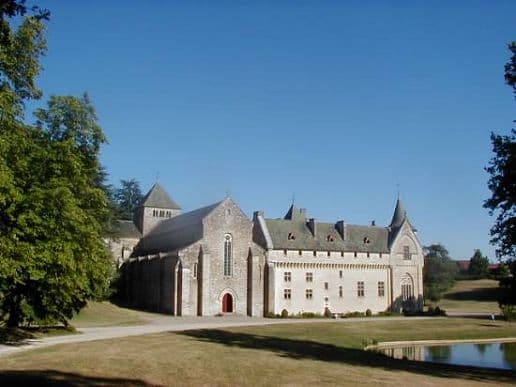
Abbey of Loc-Dieu is a Cistercian abbey situated in Aveyron, France, founded in 1123 on a site historically known as "devil's place" before being renamed "place of God" by its monastic inhabitants. Despite facing destruction and rebuilding, it became a significant Gothic architectural site and, during World War II, served as a safe haven for artworks from the Louvre, including the Mona Lisa. Today, the abbey and its park are open to the public.

Cadouin Abbey
Cadouin Abbey was a Cistercian monastery founded in 1115 as a hermitage. It rose to prominence as a major pilgrimage site due to its possession of a relic believed to be the Sudarium of Christ, attracting significant prestige and wealth. The abbey was dissolved during the French Revolution in 1791, with its assets looted and library destroyed, though its church still remains.