
Almenêches Abbey
Almenêches Abbey was a Benedictine nunnery established in the 6th century in Almenêches, Normandy. After an initial abandonment, it was refounded in the 11th century and experienced periods of destruction and rebuilding due to conflict and fires. Despite efforts at reform, the community was eventually transferred to Argentan Abbey in the 18th century, and its church later served various purposes before being listed as a Monument historique.
Key Facts
- ›Founded in the 6th century, it was abandoned by the 10th century.
- ›Refounded between 1063 and 1066 by Roger of Montgomery.
- ›Destroyed by fire during the Anglo-Norman CIVIL war and rebuilt by Abbess Emma.
- ›Suffered subsequent fires in its history.
- ›Experienced a period of disarray and debt in the 13th century, noted by Archbishop Eudes Rigaud.
- ›The community was transferred to Argentan Abbey in 1736.
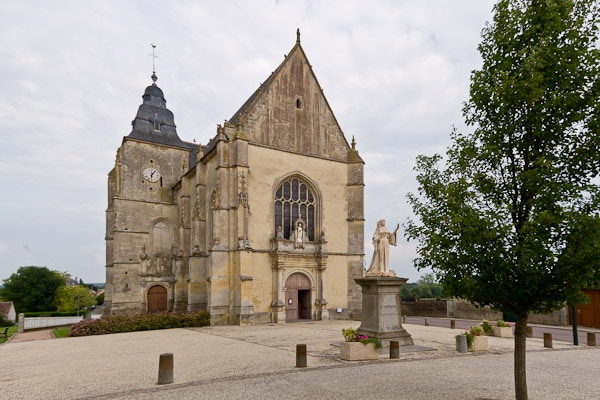
Abbey Church
Abbaye D'AlmenêChes
Emma, Matilda, Eudes Rigaud, Robert Curthose, Robert of BellêMe, Roger of Montgomery, Ruprich-Robert
- Original Founding
- Abandonment
- Refounding
- Destruction By Fire During Anglo-Norman Civil War
- Rebuilding By Abbess Emma
- Subsequent Fires
- Archbishop's Visit and Reform Orders
- Transfer of Community To Argentan Abbey
- Use For Saltpeter Manufacture During French Revolution
- Restoration of the Church
- Listing As Monument Historique
About Almenêches Abbey
Almenêches Abbey, known in French as Abbaye d'Almenêches, was a significant Benedictine nunnery located in Almenêches, in the Orne department of Normandy, France. Its history spans over a millennium, marked by periods of establishment, destruction, rebuilding, and eventual closure as an active monastic community.
History and Development
The abbey's origins date back to the 6th century, though it experienced a period of abandonment by the 10th century. A pivotal moment occurred between 1063 and 1066 when Roger of Montgomery refounded the monastery. However, its existence was frequently imperiled by the turbulent political landscape of the era. During the Anglo-Norman civil war, the abbey was burned down, reportedly after being used as a stable by Duke Robert Curthose. The abbess at the time, Emma, who was the sister of Robert of Bellême, fled with her nuns and subsequently oversaw the rebuilding of the abbey. The site suffered further devastation from fires, with notable incidents occurring under Abbess Matilda, Emma's successor, and again after 1308.
Religious Life and Reforms
By the 13th century, the monastic discipline at Almenêches Abbey faced scrutiny. In 1260, Archbishop Eudes Rigaud documented several issues during an episcopal visit. He observed that the refectory was not in use, with nuns taking meals in private rooms, and ordered this practice to cease. Furthermore, the archbishop noted that the nuns had accumulated debts in the town and that some had borne children. The communal life and observance of religious offices, such as Matins and Compline, were also found wanting, with secular individuals permitted to visit the nunnery. Rigaud acknowledged the disarray but indicated that time constraints prevented him from addressing every problem, instead instructing the local bishop to guide the abbess on proper monastic conduct.
Closure and Legacy
The active monastic life at Almenêches Abbey concluded in 1736 when the community was transferred to Argentan Abbey. During the French Revolution, the former Abbey church was repurposed for the manufacture of saltpeter. Significant restoration efforts for the church were undertaken by architect Ruprich-Robert between 1864 and 1887. In recognition of its historical and architectural importance, the church was listed as a Monument historique in 1948.
Source: Wikipedia ↗
Frequently Asked Questions
When was Almenêches Abbey founded?
Almenêches Abbey was originally founded in the 6th century. It was later refounded in the 11th century, specifically between 1063 and 1066.
What happened to Almenêches Abbey during periods of conflict?
During the Anglo-Norman civil war, the abbey was reportedly used as a stable by Duke Robert Curthose and subsequently burned down by Robert of Bellême. The abbess and nuns fled and later had the abbey rebuilt.
Were there any notable issues with the monastic life at Almenêches Abbey?
In 1260, Archbishop Eudes Rigaud noted that the nuns were not using the refectory, had incurred debts, and some had children. They also failed to observe communal life, did not attend services, and permitted secular visitors.
When did Almenêches Abbey cease to operate as a community?
The monastic community at Almenêches Abbey was transferred to Argentan Abbey in 1736, marking the end of its active religious life at the original site.
What is the current status of the Almenêches Abbey church?
After the community's transfer, the Abbey church was used to manufacture saltpeter during the French Revolution. Restoration work was carried out in the late 19th century, and in 1948, the church was listed as a Monument historique.
Related Monasteries

Marcheroux Abbey
Marcheroux Abbey was a Premonstratensian monastery founded in the 12th century in Picardy, France, dedicated to Saint Nicholas. Despite facing destruction and financial challenges throughout its history, it joined a reform movement in the 17th century before being suppressed during the French Revolution. Today, significant portions of the abbey church and conventual buildings remain, though some of its original fittings are housed in local parish churches.

Abbey of Saint-Jean-le-Grand
The Abbey of Saint-Jean-le-Grand was a Benedictine nunnery in Autun, France, possibly founded by Queen Brunhilda and Bishop Syagrius. Existing by at least 589, it suffered destruction multiple times before being rebuilt by Charlemagne. The abbey was eventually suppressed during the French Revolution, leading to the demolition of its church and most conventual buildings.
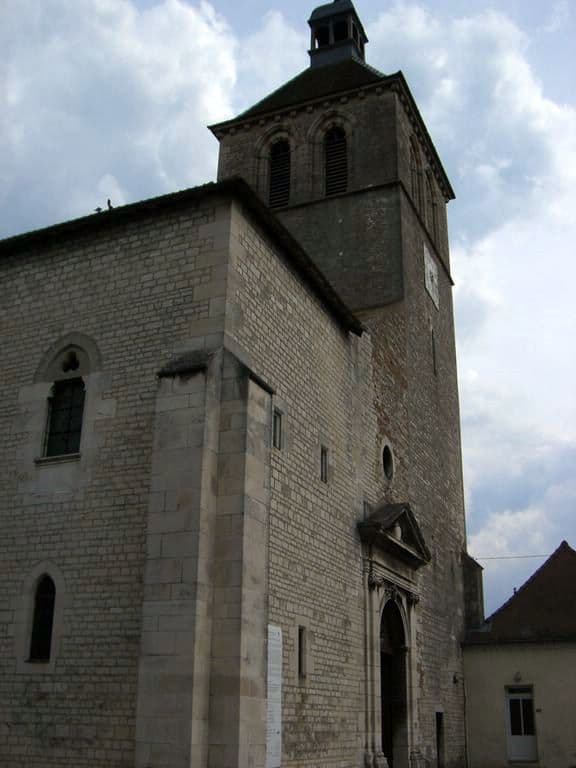
Abbey of Saint-Marcel-lès-Chalon
The Abbey of Saint-Marcel-lès-Chalon was a significant Benedictine monastery founded around 590 CE near Chalon-sur-Saône in eastern France. It later became part of the Congregation of Cluny between 979 and 988, transitioning to a priory. The monastery is historically notable as the place where the philosopher Peter Abelard died in 1142. Although suppressed during the French Revolution and its monastic buildings demolished, the church remains standing as a parish church.