
Abbey of Saint-Marcel-lès-Chalon
Christian·France·ruins (monastic buildings demolished), active (church as parish church)·6th century
The Abbey of Saint-Marcel-lès-Chalon was a significant Benedictine monastery founded around 590 CE near Chalon-sur-Saône in eastern France. It later became part of the Congregation of Cluny between 979 and 988, transitioning to a priory. The monastery is historically notable as the place where the philosopher Peter Abelard died in 1142. Although suppressed during the French Revolution and its monastic buildings demolished, the church remains standing as a parish church.
Key Facts
- ›Founded as a Benedictine abbey around 590 CE.
- ›Became part of the Congregation of Cluny between 979 and 988.
- ›Known as the place where philosopher Peter Abelard died in 1142.
- ›Suppressed during the French Revolution.
- ›Monastic buildings were demolished, but the church survives.
- ›Located in the present-day commune of Saint-Marcel, near Chalon-sur-Saône.
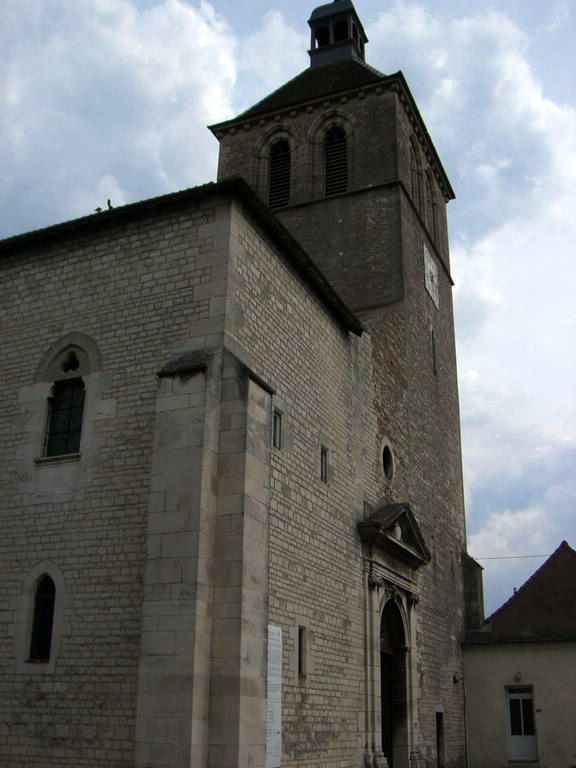
Surviving Church Building, Site of Peter Abelard's Death
Abbey of Saint-Marcel-LèS-Chalon, Abbaye Saint-Marcel-LèS-Chalon, Priory of Saint-Marcel-LèS-Chalon
Peter Abelard
Suppression During the French Revolution, Death of Peter Abelard
About Abbey of Saint-Marcel-lès-Chalon
The Abbey of Saint-Marcel-lès-Chalon was a significant monastic institution located in the present-day commune of Saint-Marcel, situated near Chalon-sur-Saône in eastern France. Its origins trace back to approximately 590 CE, when it was established as a Benedictine abbey. For a period, between 979 and 988, the abbey became integrated into the influential Congregation of Cluny, a transition that saw many Cluniac houses functioning as priories.
Historical Significance and Demise
This monastery holds a place in intellectual history as the site where the renowned philosopher Peter Abelard died in 1142. The community that once thrived within its walls faced a dramatic end during the upheavals of the French Revolution. At that time, the priory was suppressed, leading to the demolition of its monastic buildings. Fortunately, the abbey church itself survived this period of destruction and continues its religious function today as a parish church, serving the local community of Saint-Marcel.
Source: Wikipedia ↗
Frequently Asked Questions
When was the Abbey of Saint-Marcel-lès-Chalon founded?
The abbey was founded as a Benedictine institution around 590 CE. Its early history dates back to the late 6th century.
What significant historical figures are associated with this monastery?
The philosopher Peter Abelard died at the priory in 1142. This event marks a notable connection for the site in intellectual history.
What happened to the Abbey of Saint-Marcel-lès-Chalon during the French Revolution?
During the French Revolution, the priory was suppressed. The monastic buildings were subsequently demolished.
Does any part of the original monastery still exist?
Yes, the church of the former monastery survives. It continues to function today as a parish church.
What religious order was the Abbey of Saint-Marcel-lès-Chalon associated with?
It was initially founded as a Benedictine abbey. Later, it became part of the Congregation of Cluny, transitioning to a priory.
Related Monasteries

Abbey of St Genevieve
The Abbey of Saint Genevieve was a prominent monastery in Paris, reportedly founded in 502 by King Clovis I. It evolved into a significant center for religious scholarship and housed a large library, contributing to the formation of the University of Paris. The abbey church, rebuilt in the 18th century by Jacques-Germain Soufflot, was later transformed into the Panthéon after its suppression during the French Revolution, with much of its religious significance lost.

Holy Cross Abbey
The Abbey of the Holy Cross was a significant French Benedictine nunnery founded in the 6th century, notable for being the first women's monastery in the Frankish Empire and for its association with Queen Radegund. Although destroyed during the French Revolution, a new monastery with the same name was established in the 19th century for Canonesses of St. Augustine of the Mercy of Jesus, continuing its legacy of religious life.

Luxeuil Abbey
Luxeuil Abbey, officially known as Abbaye Saint-Pierre et Saint-Paul, was a prominent monastery in Franche-Comté, France, founded around 590 by Saint Columbanus. It became a significant center of monastic life and learning in Gaul, known for its intellectual stimulation and adherence to both Celtic and Benedictine traditions. Despite periods of decline and destruction by raids, the abbey's church and conventual buildings survived the French Revolution and continue to exist today, with the church serving as the parish church.