
Loc-Dieu Abbey
Loc-Dieu Abbey is a Cistercian monastery established in 1123 near Martiel, Aveyron, France. Originally named "devil's place" due to local dolmens, it was renamed "place of God" by its founding monks. The abbey has a history of destruction and rebuilding, notably being burnt by the English in 1409 and fortified in 1470. Despite being suppressed during the French Revolution, its buildings were restored, and it famously served as a hiding place for artworks from the Louvre during World War II.
Key Facts
- ›Founded in 1123 by Cistercian monks.
- ›Located near Martiel in the Aveyron department of France.
- ›The church, built between 1159 and 1189, is an early example of Gothic architecture in southern France.
- ›The abbey was suppressed and its assets sold during the French Revolution.
- ›In 1940, artworks from the Louvre, including the Mona Lisa, were hidden at Loc-Dieu for safekeeping.
- ›The abbey and its park are now open to visitors.
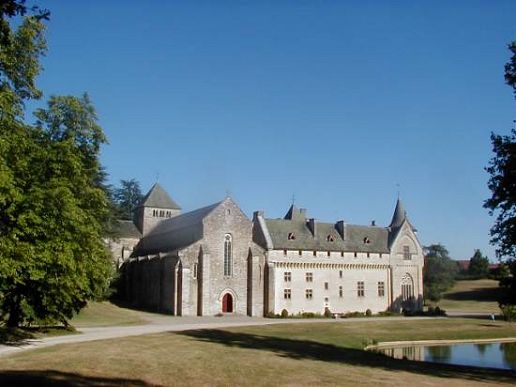
Gothic, Romanesque
12th-Century Gothic Church, Cloister and Chapter Room Rebuilt In 1470, Park, Hiding Place For Louvre Artworks During Wwii
Locus Diaboli, Locus Dei
- Founded In 1123
- Burnt Down By the English In 1409
- Rebuilt and Fortified In 1470
- Suppressed and Assets Sold During the French Revolution
- Purchased By the Cibiel Family
- Restoration of Buildings
- Hidden Artworks From the Louvre
About Loc-Dieu Abbey
Loc-Dieu Abbey is a significant Cistercian monastery situated near Martiel in the Aveyron department of France. Founded in 1123, its original location was known as Locus Diaboli, or "devil's place," a name attributed to the numerous dolmens in the vicinity. The monks later renamed it Locus Dei, meaning "place of God," which evolved into the present-day name, Loc-Dieu.
History and Architecture
The abbey's history is marked by periods of destruction and reconstruction. It was burnt by English forces in 1409 and subsequently fortified in 1470. The church, a notable example of early Gothic architecture in southern France, was constructed between 1159 and 1189 by architects from Burgundy, adhering to Cistercian principles of simplicity and natural light. The cloister and chapter room were rebuilt in 1470, replacing an earlier Romanesque structure, and now display a strong Gothic style.
During the French Revolution in 1793, Loc-Dieu Abbey was suppressed, and its properties were sold as national assets. The Cibiel family acquired the property in 1812, and their descendants continue to reside there. Significant restoration efforts were undertaken in the 19th century, with the east wing restored in 1840 and the south and west wings in 1880. A unique historical event occurred in the summer of 1940 when valuable artworks from the Louvre, including Leonardo da Vinci's Mona Lisa, were secretly housed at Loc-Dieu to protect them from German occupation troops.
Current Status
Today, Loc-Dieu Abbey and its expansive park are open to the public, allowing visitors to explore its historical architecture and grounds. While the abbey was suppressed as an active monastic community during the French Revolution, its buildings stand as a testament to centuries of history and architectural evolution.
Source: Wikipedia ↗
Frequently Asked Questions
When was Loc-Dieu Abbey founded?
Loc-Dieu Abbey was founded in 1123. It was established in a location formerly known as Locus Diaboli, meaning "devil's place," which was later changed to Locus Dei, or "place of God," by the monks.
What is the architectural style of Loc-Dieu Abbey?
The church at Loc-Dieu Abbey, built between 1159 and 1189, is considered one of the first Gothic buildings in southern France, designed by architects from Burgundy. The cloister and chapter room, rebuilt in 1470, also feature a strong Gothic style.
What significant historical events occurred at Loc-Dieu Abbey?
The abbey was burnt down by the English in 1409 and subsequently fortified in 1470. During the French Revolution in 1793, it was suppressed and its assets sold. In the summer of 1940, it served as a secret repository for artworks from the Louvre, including the Mona Lisa, to protect them from German troops.
Is Loc-Dieu Abbey still an active monastery?
The abbey was suppressed during the French Revolution and its assets sold. While descendants of the Cibiel family, who bought it in 1812, still live there, historical accounts do not specify if an active monastic community currently resides at Loc-Dieu Abbey.
Can visitors go to Loc-Dieu Abbey?
Yes, the abbey and its extensive park are now open to visitors. This allows the public to experience the historical architecture and grounds.
Related Monasteries

Chaalis Abbey
Chaalis Abbey was a Cistercian monastery founded in 1136 north of Paris. Although largely ruined due to mismanagement, it retains a chapel with significant frescos by Primaticcio. The abbey was later sold and demolished during the French Revolution, but its former site now houses the Musée Jacquemart-André, showcasing a rich art collection bequeathed by Nélie Jacquemart-André.

Salem Abbey
Salem Abbey was a prominent Cistercian monastery located in Baden-Württemberg, Germany, founded in 1137. It grew rapidly under imperial patronage, becoming an imperial abbey, but faced decline and debt after the loss of Hohenstaufen protection. The monastery was rebuilt in the 18th century after a major fire, only to be secularized in 1802 and ceded to the Margraviate of Baden. Today, its buildings are owned by the State of Baden-Württemberg and operate as the Salem Monastery and Palace, open for tours, with part of the grounds housing a school.
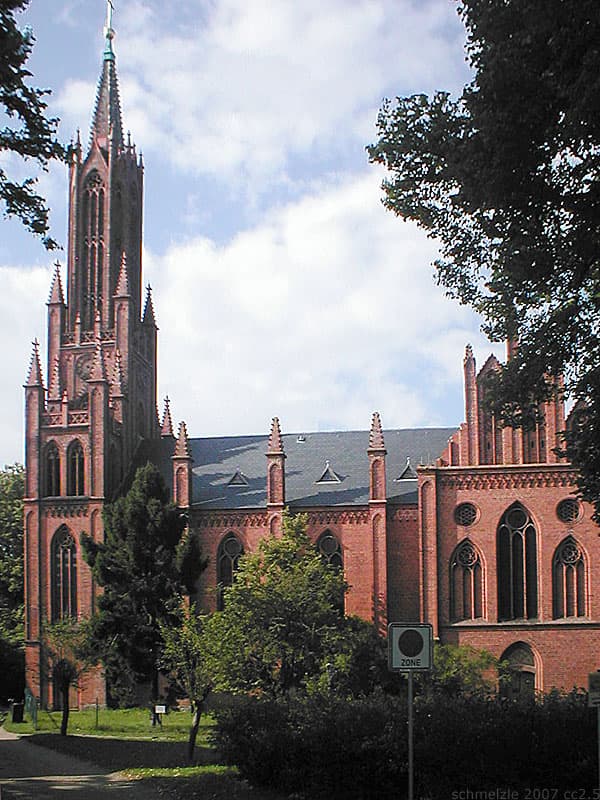
Malchow Abbey
Malchow Abbey was a former Cistercian nunnery located on the east shore of Lake Malchow in Germany. After its secularization, it functioned as a collegiate foundation for noblewomen for centuries. Today, the former monastic buildings, particularly the church and cloister, house the Mecklenburg Organ Museum, showcasing the history of organ-building in the region.