
Chaalis Abbey
Chaalis Abbey was a Cistercian monastery founded in 1136 north of Paris. Although largely ruined due to mismanagement, it retains a chapel with significant frescos by Primaticcio. The abbey was later sold and demolished during the French Revolution, but its former site now houses the Musée Jacquemart-André, showcasing a rich art collection bequeathed by Nélie Jacquemart-André.
Key Facts
- ›Founded in 1136 by Louis VI of France.
- ›Originally a Benedictine monastery before becoming Cistercian.
- ›Suffered ruin due to commendatory abbots' mismanagement.
- ›Features a surviving chapel with important frescos by Primaticcio.
- ›Reconstruction efforts in the 18th century were partially completed but halted.
- ›The site now operates as the Musée Jacquemart-André, an art museum.

Gothic
Chapel With Frescos By Primaticcio, MuséE Jacquemart-André Art Collection
Abbaye De Chaalis
Louis Vi of France, Primaticcio, Jean Aubert, NéLie Jacquemart-André
- Founded In 1136
- Sold and Demolished During the French Revolution
About Chaalis Abbey
Chaalis Abbey, known in French as Abbaye de Chaalis, was a significant Cistercian monastery situated north of Paris in Fontaine-Chaalis, near Ermenonville, within the modern department of Oise. Its history is marked by both religious devotion and eventual ruin, culminating in its transformation into a cultural site.
History and Decline
The abbey was founded in 1136 by King Louis VI of France, succeeding an earlier Benedictine monastery at the same location. For centuries, it flourished as a center of Cistercian life. However, the abbey's physical state deteriorated significantly due to mismanagement by commendatory abbots. Despite this decline, a chapel within the ruins miraculously survived intact, preserving important frescos by the artist Primaticcio.
In the 18th century, efforts were made to reconstruct the abbey. Jean Aubert was commissioned by Louis, Count of Clermont and commendatory abbot, to design new plans. Construction began in 1739 with the intention of creating a large quadrangle, and the entrance wing, including the abbot's residence, was completed. However, work ceased in 1745 due to insufficient funds and was never resumed.
The abbey suffered a final blow during the French Revolution when it was sold and subsequently demolished.
Transformation into a Museum
In the late 19th and early 20th centuries, the former abbey grounds became the site of an art museum. Nélie Jacquemart-André, a prominent art collector, chose Chaalis as the location for a museum to house part of her extensive collection, having spent her childhood there. Following her death in 1912, she bequeathed her collection to the Institut de France, stipulating the creation of this museum.
Today, the Musée Jacquemart-André at Chaalis continues to display this rich collection. It features notable paintings by artists such as Giotto, Cima da Conegliano, Tintoretto, and François Boucher, alongside sculptures by Baccio Bandinelli and Jean-Antoine Houdon, as well as decorative arts and a collection of Indian items. The museum stands as a testament to the site's enduring cultural significance, bridging its monastic past with its present as a repository of art.
Source: Wikipedia ↗
Frequently Asked Questions
When was Chaalis Abbey founded?
Chaalis Abbey was founded in 1136. It was established by Louis VI of France on a site that previously housed a Benedictine monastery.
What is the current status of Chaalis Abbey?
The abbey itself is largely in ruins, having been sold and demolished during the French Revolution. However, the former abbey site is now home to the Musée Jacquemart-André, an art museum.
Are there any original structures or significant artworks remaining at Chaalis Abbey?
Yes, a chapel with important frescos by Primaticcio survives intact among the ruins. The museum on the site also houses a very rich collection of paintings, sculptures, and decorative arts.
Who established the art museum at Chaalis Abbey?
The art museum, the Musée Jacquemart-André, was established following the wishes of Nélie Jacquemart-André. She bequeathed her collection to the Institut de France and requested a museum be created at Chaalis, where she spent her childhood.
What kind of artworks can be seen at the Musée Jacquemart-André at Chaalis?
The museum's collection is extensive, featuring paintings by renowned artists such as Giotto, Tintoretto, and Boucher, as well as sculptures, furniture, decorative art, and a collection of Indian items.
Related Monasteries
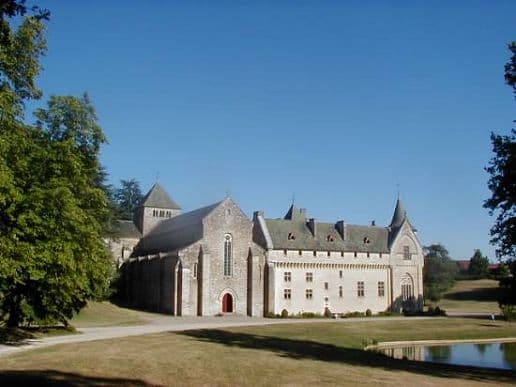
Loc-Dieu Abbey
Loc-Dieu Abbey is a Cistercian monastery established in 1123 near Martiel, Aveyron, France. Originally named "devil's place" due to local dolmens, it was renamed "place of God" by its founding monks. The abbey has a history of destruction and rebuilding, notably being burnt by the English in 1409 and fortified in 1470. Despite being suppressed during the French Revolution, its buildings were restored, and it famously served as a hiding place for artworks from the Louvre during World War II.
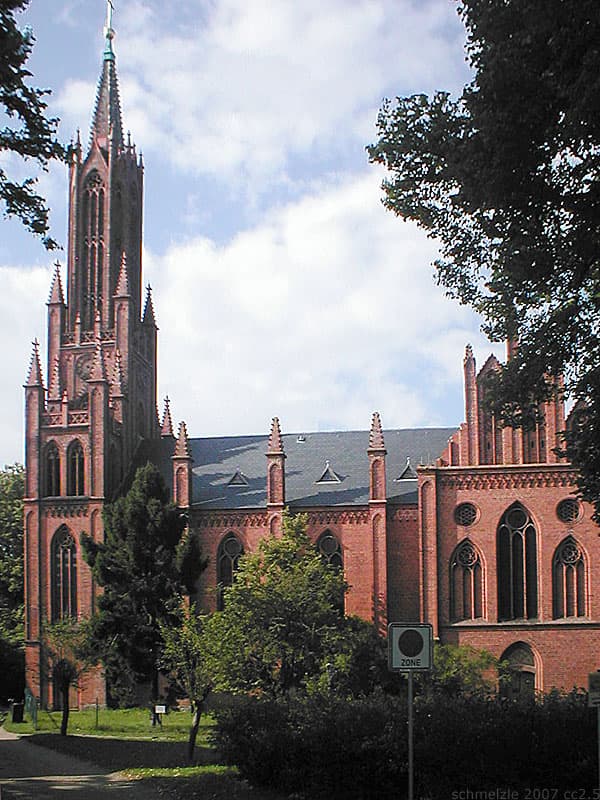
Malchow Abbey
Malchow Abbey was a former Cistercian nunnery located on the east shore of Lake Malchow in Germany. After its secularization, it functioned as a collegiate foundation for noblewomen for centuries. Today, the former monastic buildings, particularly the church and cloister, house the Mecklenburg Organ Museum, showcasing the history of organ-building in the region.

Le Thoronet Abbey
Le Thoronet Abbey is a former Cistercian monastery constructed in the late 12th and early 13th centuries, renowned as one of the best examples of the Cistercian order's architectural spirit. Located in the Var Department of Provence, France, it is one of the "Three Sisters of Provence" along with Sénanque and Silvacane abbeys. Restored as a museum, its austere design emphasizes volume, light, and fine masonry, with the church's acoustics even dictating the pace of monastic chant.