
Malchow Abbey
Malchow Abbey was a former Cistercian nunnery located on the east shore of Lake Malchow in Germany. After its secularization, it functioned as a collegiate foundation for noblewomen for centuries. Today, the former monastic buildings, particularly the church and cloister, house the Mecklenburg Organ Museum, showcasing the history of organ-building in the region.
Key Facts
- ›Founded as a Cistercian nunnery in 1298.
- ›Served as a collegiate foundation for noblewomen from 1572 to 1923.
- ›The current church was built between 1844 and 1849, with later Gothic Revival reconstruction.
- ›Remnants of the old abbey include the cloister and ancillary buildings.
- ›The site now accommodates the Mecklenburg Organ Museum.
- ›Features the Engelsche Garten, a garden laid out in the MID-19th century.
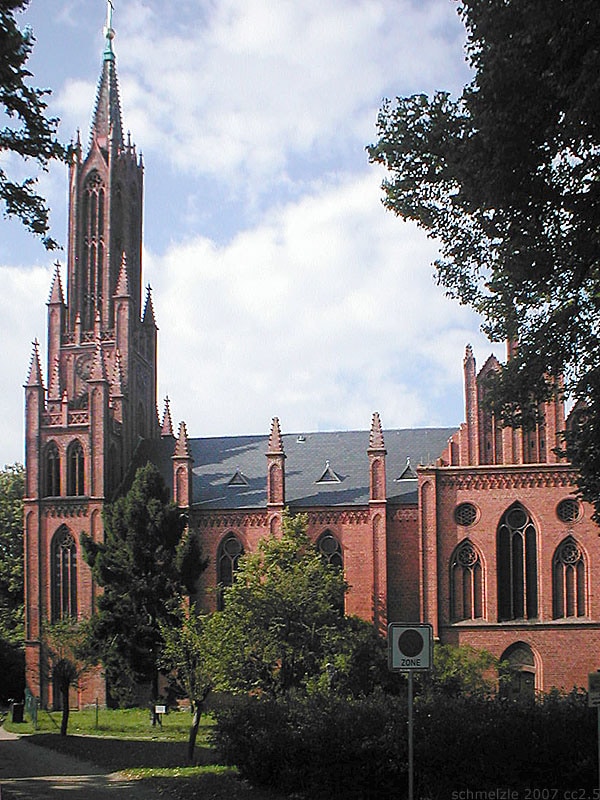
Gothic Revival, Brick Gothic
Mecklenburgisches Orgelmuseum, Engelsche Garten, Cloister, Organ By Friedrich Friese Iii
Kloster Malchow
Nicholas Ii, Prince of Werle, Friedrich Wilhelm Buttel, Georg Daniel, Johann Jacob Christian Engel, Friedrich Friese Iii
- Relocation of Cistercian Nunnery From RöBel In 1298
- Secularization and Establishment of A Damenstift In 1572
- Fire In 1888
- Reconstruction After Fire Between 1888 and 1890
- Dissolution of Damenstift In 1923
About Malchow Abbey
Malchow Abbey, known in German as Kloster Malchow, is a historic monastic complex situated on the eastern shore of Lake Malchow in the town of Malchow, Mecklenburg-Vorpommern, Germany. Its origins trace back to 1298 when a Cistercian nunnery, previously located in Röbel, settled in Alt-Malchow, taking over the site of an existing Magdalene community. The new nunnery received patronage rights for several local churches from Nicholas II, Prince of Werle.
History and Transformation
Following the Reformation, the abbey underwent a significant transformation. From 1572 until 1923, it functioned as a collegiate foundation for noblewomen, known as a Damenstift, a role that shaped its later history and architectural development. The original monastic buildings have seen numerous alterations and reconstructions over the centuries.
Architectural Features and Current Use
The most prominent surviving structure is the former abbey church, which was largely rebuilt between 1844 and 1849 to designs by Friedrich Wilhelm Buttel, featuring a tall brick tower. This edifice was later refurbished in a Gothic Revival style between 1888 and 1890 by Georg Daniel after a fire. Remnants of the older abbey complex include the cloister and some ancillary buildings that are now used for residential purposes. Today, the former abbey buildings are home to the Mecklenburg Organ Museum (Mecklenburgisches Orgelmuseum), which exhibits the history of organ-building in the region. The complex also includes the picturesque Engelsche Garten, a garden completed in the mid-19th century.
Source: Wikipedia ↗
Frequently Asked Questions
When was Malchow Abbey established?
Malchow Abbey was established in 1298. It was originally a Cistercian nunnery that relocated to Alt-Malchow, taking over the premises of a former Magdalene community.
What is the current use of the Malchow Abbey buildings?
The former abbey buildings now house the Mecklenburg Organ Museum. The museum features a permanent exhibition on organ-building history in Mecklenburg, with an organ by Friedrich Friese III located in the abbey church.
What historical periods are represented in the abbey's architecture?
While the original abbey buildings are from the medieval period, the prominent church was constructed between 1844 and 1849 in a style that was later refurbished in Gothic Revival after a fire in 1888. The cloister and some ancillary buildings from the older complex still exist.
What is the significance of the Engelsche Garten?
The Engelsche Garten is a garden within the abbey complex that was laid out by and named after Johann Jacob Christian Engel, who served as the master of the abbey kitchen. Its construction was completed in the mid-19th century.
What was the function of Malchow Abbey after the Reformation?
Following the Reformation, the abbey was transformed into a collegiate foundation for noblewomen. This function continued for several centuries, from 1572 until 1923.
Related Monasteries

Salem Abbey
Salem Abbey was a prominent Cistercian monastery located in Baden-Württemberg, Germany, founded in 1137. It grew rapidly under imperial patronage, becoming an imperial abbey, but faced decline and debt after the loss of Hohenstaufen protection. The monastery was rebuilt in the 18th century after a major fire, only to be secularized in 1802 and ceded to the Margraviate of Baden. Today, its buildings are owned by the State of Baden-Württemberg and operate as the Salem Monastery and Palace, open for tours, with part of the grounds housing a school.
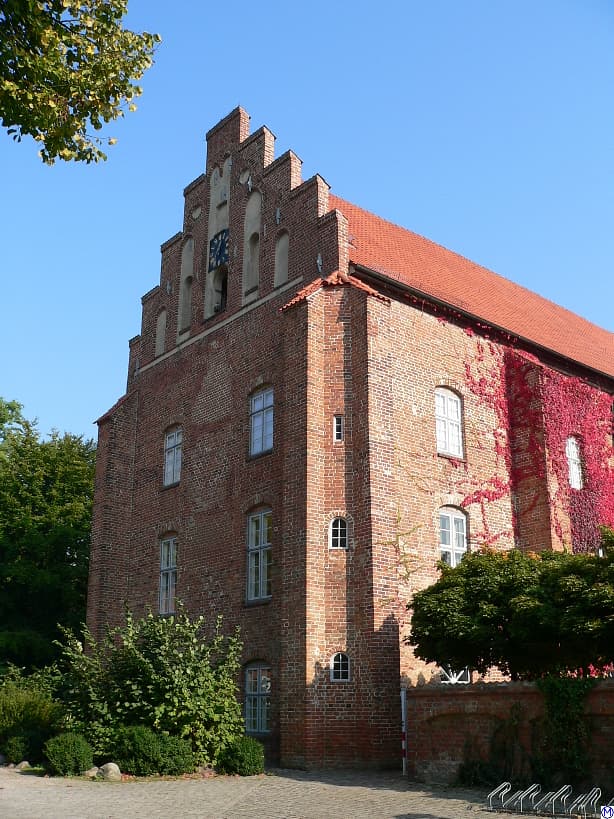
Cismar Abbey
Cismar Abbey was a Benedictine monastery founded in 1238 by Count Adolf IV of Holstein. It became a significant pilgrimage site due to its relic of Christ's blood and a healing spring, and was an early member of the Bursfelde Congregation. Dissolved during the Reformation in 1561, its church remains famous for its 14th-century carved altar, and the surviving buildings now function as a museum.

Chaalis Abbey
Chaalis Abbey was a Cistercian monastery founded in 1136 north of Paris. Although largely ruined due to mismanagement, it retains a chapel with significant frescos by Primaticcio. The abbey was later sold and demolished during the French Revolution, but its former site now houses the Musée Jacquemart-André, showcasing a rich art collection bequeathed by Nélie Jacquemart-André.