
Salem Abbey
Salem Abbey was a prominent Cistercian monastery located in Baden-Württemberg, Germany, founded in 1137. It grew rapidly under imperial patronage, becoming an imperial abbey, but faced decline and debt after the loss of Hohenstaufen protection. The monastery was rebuilt in the 18th century after a major fire, only to be secularized in 1802 and ceded to the Margraviate of Baden. Today, its buildings are owned by the State of Baden-Württemberg and operate as the Salem Monastery and Palace, open for tours, with part of the grounds housing a school.
Key Facts
- ›Founded in 1137 by monks from Lucelle Abbey.
- ›Became an imperial abbey under the patronage of Emperor Frederick I.
- ›By 1300, it housed 300 choir monks and lay brothers.
- ›Suffered a major fire in 1697, with most buildings destroyed except the church.
- ›Secularized in 1802 and ceded to the Margraviate of Baden.
- ›The grounds now host the Salem Monastery and Palace, open for tours, and the Schule Schloss Salem.

Gothic
- Salem Minster
- Rebuilt Cloister With Stucco and Frescoes
- Service Buildings Including Stable, Mill, Bakery, Blacksmithy, Prison, Wine Cellar, and Tithe Barn
- Palace
Kloster Salem
Guntram Von Adelsreute, Bernard of Clairvaux, Frowin, Eberhard Von Rohrdorf, Frederick I, Holy Roman Emperor, Rudolf I, Charles Iv, Thomas I, Prince Maximilian of Baden, Kurt Hahn
- Donation of Estate By Guntram Von Adelsreute
- Foundation Confirmed By Nobility and Royalty
- Granted Imperial Immediacy By Frederick I
- Secured Protection of Archbishop of Salzburg
- Attacks By Local Rivals and Debt During Great Interregnum
- Alignment With House of Habsburg
- Attacks By Counts of Werdenberg
- Demolition of Medieval Buildings and Construction of New Complex
- Fire Destroyed Most Buildings Except Church
- Secularization and Cession To Margraviate of Baden
- Establishment of Schule Schloss Salem On Grounds
- Sale of Most Grounds To State of Baden-WüRttemberg
About Salem Abbey
Salem Abbey, known in German as Kloster Salem, was a highly significant Cistercian monastery located in the district of Bodensee, in present-day Baden-Württemberg, Germany. Its history began in 1137 when a knight named Guntram von Adelsreute donated an estate to the Cistercians, inspired by the teachings of Bernard of Clairvaux. Although the initial estate was small, a community of twelve monks from Lucelle Abbey established the monastery, which was later named Salem, possibly as an allusion to Jerusalem.
History and Development
The abbey quickly gained prominence, receiving confirmation from local nobility and royal figures, including Duke Frederick II of Swabia and Emperor Frederick I, who granted it imperial immediacy in 1155 and took it under his personal patronage. This period saw substantial territorial expansion for Salem, though it also led to conflicts with the Bishop of Constance and local populations. Despite these challenges, the monastery continued to grow, securing protection from the Archbishop of Salzburg and benefiting from trade, such as salt exports across Lake Constance.
The mid-13th century marked a period of decline as the loss of Hohenstaufen protection led to attacks from rivals and financial difficulties. The abbey's situation improved with its alignment with the House of Habsburg at the end of the century, though this also brought further conflicts. By 1300, Salem was a substantial community, housing 300 choir monks and lay brothers.
Rebuilding and Secularization
Following a period of renewed prosperity in the 18th century, the monastery underwent significant rebuilding after a devastating fire in 1697 destroyed most of its structures, save for the church. This rebuilding effort culminated in the complex seen today. However, the monastery's independent existence ended in 1802 when, during the process of German mediatization, it was ceded to the Margraviate of Baden as compensation for territories annexed by France. In 1920, Prince Maximilian of Baden and educator Kurt Hahn established the Schule Schloss Salem on the abbey grounds, an educational institution that continues to operate. The State of Baden-Württemberg acquired most of the abbey's grounds in 2009.
Architecture and Current Use
A defensive wall enclosing the monastery complex was constructed around 1300. The surviving service buildings demonstrate the self-sufficient nature of the monastic community, including a stable, mill, bakery, smithy, prison, wine cellar, and tithe barn. The Salem Minster (church) was built between 1299 and 1414. The rebuilt cloister features decorative stucco and frescoes illustrating the life of Bernard of Clairvaux. The former abbot's residence, the Prälatur, now forms part of the palace complex. Today, Salem Abbey is a popular tourist destination known as the Salem Monastery and Palace, offering tours of its historical buildings and grounds.
Source: Wikipedia ↗
Frequently Asked Questions
When was Salem Abbey founded?
Salem Abbey was founded in 1137. A knight named Guntram von Adelsreute donated an estate in the Linzgau region to the Cistercian order, and a party of 12 monks was sent from Lucelle Abbey to establish the monastery.
What religious order was Salem Abbey part of?
Salem Abbey was a very prominent Cistercian monastery. It was inspired by the teachings of Bernard of Clairvaux, a key figure in the Cistercian order.
What is the current status of Salem Abbey?
Salem Abbey was secularized in 1802 and its buildings are now owned by the State of Baden-Württemberg. They are open to the public as the Salem Monastery and Palace for tours.
What significant architectural features does Salem Abbey have?
The construction of the Salem Minster, the abbey church, began in 1299 and was consecrated in 1414. The rebuilt cloister features ceilings adorned with stucco and frescoes depicting the life of Bernard of Clairvaux.
What historical events impacted Salem Abbey?
Salem Abbey faced contention with local authorities and peasantry, declined after the loss of Hohenstaufen protection, and was rebuilt after a fire in 1697. Its secularization in 1802 marked a significant shift in its history.
Related Monasteries
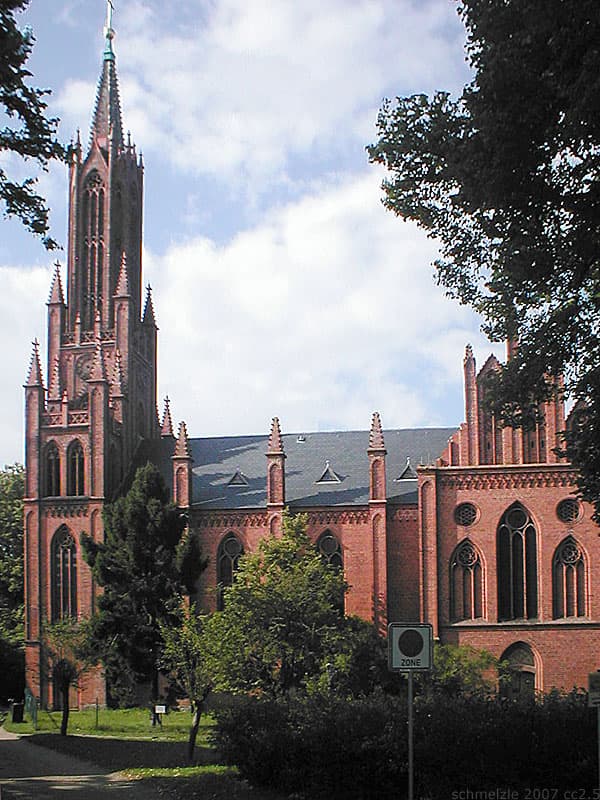
Malchow Abbey
Malchow Abbey was a former Cistercian nunnery located on the east shore of Lake Malchow in Germany. After its secularization, it functioned as a collegiate foundation for noblewomen for centuries. Today, the former monastic buildings, particularly the church and cloister, house the Mecklenburg Organ Museum, showcasing the history of organ-building in the region.

Chaalis Abbey
Chaalis Abbey was a Cistercian monastery founded in 1136 north of Paris. Although largely ruined due to mismanagement, it retains a chapel with significant frescos by Primaticcio. The abbey was later sold and demolished during the French Revolution, but its former site now houses the Musée Jacquemart-André, showcasing a rich art collection bequeathed by Nélie Jacquemart-André.
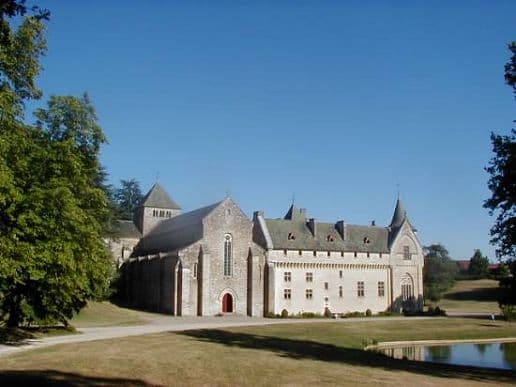
Loc-Dieu Abbey
Loc-Dieu Abbey is a Cistercian monastery established in 1123 near Martiel, Aveyron, France. Originally named "devil's place" due to local dolmens, it was renamed "place of God" by its founding monks. The abbey has a history of destruction and rebuilding, notably being burnt by the English in 1409 and fortified in 1470. Despite being suppressed during the French Revolution, its buildings were restored, and it famously served as a hiding place for artworks from the Louvre during World War II.