
Cismar Abbey
Cismar Abbey was a Benedictine monastery founded in 1238 by Count Adolf IV of Holstein. It became a significant pilgrimage site due to its relic of Christ's blood and a healing spring, and was an early member of the Bursfelde Congregation. Dissolved during the Reformation in 1561, its church remains famous for its 14th-century carved altar, and the surviving buildings now function as a museum.
Key Facts
- ›Founded in 1238 by Count Adolf IV of Holstein.
- ›Became a center of pilgrimage due to a relic of Christ's blood and a healing spring.
- ›Was one of the six original members of the Bursfelde Congregation.
- ›Dissolved in 1561 due to secularization during the Reformation.
- ›The abbey church features a notable carved altar from the early 14th century.
- ›Surviving buildings are now used as a museum.
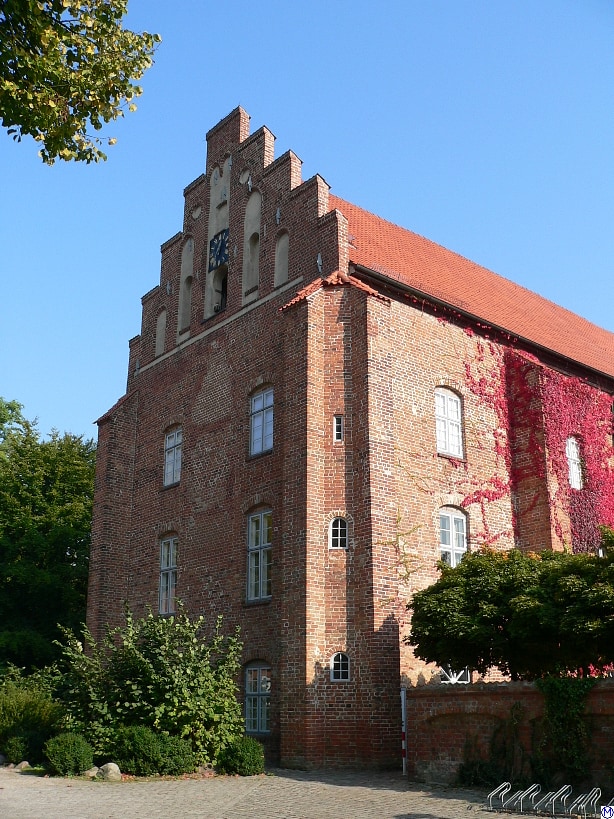
Brick Gothic
Carved Altar, Healing Spring Dedicated To John the Baptist, Relic of the Blood of Christ, Monastic Library
Kloster Cismar
Count Adolf Iv of Holstein
Founding In 1238, Became Member of Bursfelde Congregation, Dissolved In 1561 During the Reformation
About Cismar Abbey
Cismar Abbey, known in German as Kloster Cismar, was a significant Benedictine monastery located in Cismar, near Grömitz in Schleswig-Holstein, Germany. Its history is marked by its founding, its importance as a pilgrimage destination, and its eventual dissolution.
History and Significance
The abbey was established in 1238 by Count Adolf IV of Holstein, serving as an alternative accommodation for Benedictine monks originating from Lübeck. For approximately three centuries, Cismar Abbey enjoyed considerable prosperity. This success was largely attributed to its possession of a relic believed to be the blood of Christ and a healing spring dedicated to John the Baptist, which drew numerous pilgrims to the site.
In the mid-15th century, the abbey became one of the six founding members of the influential Bursfelde Congregation, a reform movement within the Benedictine order. This affiliation underscored its importance within the monastic landscape of the time.
Dissolution and Legacy
Despite its centuries of prominence, Cismar Abbey was dissolved in 1561. This dissolution was a direct consequence of the secularization that occurred during the Reformation. While the monastic community ceased to exist, its legacy endures through its surviving structures and its preserved library.
The abbey church, constructed in the Brick Gothic style, is particularly renowned for its elaborately carved altar, which dates from the early 14th century and remains in situ. The other buildings of the former abbey, after being utilized for a variety of secular purposes over the years, have been transformed into a museum, allowing visitors to engage with its historical and architectural heritage.
Source: Wikipedia ↗
Frequently Asked Questions
When was Cismar Abbey founded?
Cismar Abbey was founded in 1238. It was established by Count Adolf IV of Holstein as a new home for Benedictine monks.
What made Cismar Abbey a pilgrimage site?
The abbey became a significant center for pilgrimage due to its possession of a relic of the blood of Christ and a healing spring dedicated to John the Baptist.
What is the architectural significance of Cismar Abbey?
The abbey church at Cismar is built in the Brick Gothic style. It is particularly famous for its carved altar, which dates back to the early 14th century and is still in its original place.
What happened to Cismar Abbey after the Reformation?
Following three centuries of prosperity, Cismar Abbey was dissolved in 1561 as part of the secularization brought about by the Reformation. Its monastic library was preserved and is now located in the Danish Royal Library in Copenhagen.
What is the current status of Cismar Abbey?
The abbey church remains a significant historical site. The other surviving buildings of Cismar Abbey, after various secular uses, now serve as a museum, open to the public.
Related Monasteries
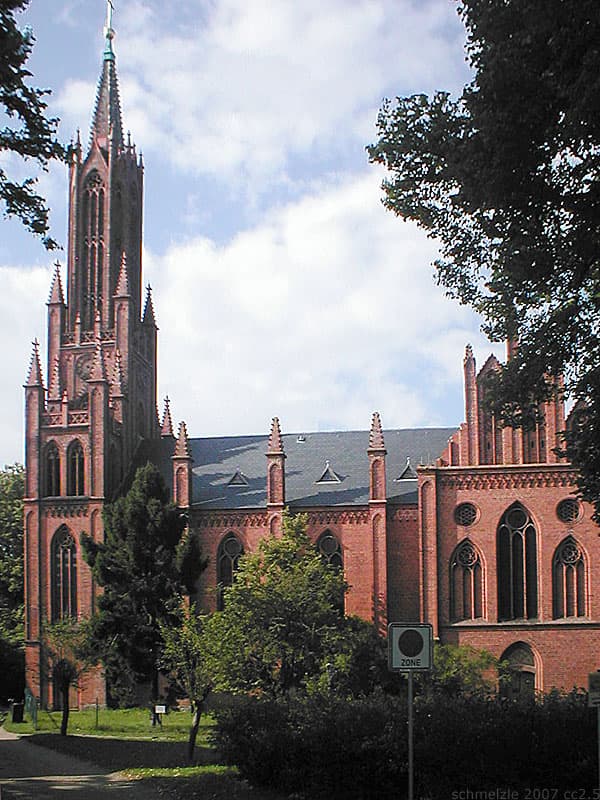
Malchow Abbey
Malchow Abbey was a former Cistercian nunnery located on the east shore of Lake Malchow in Germany. After its secularization, it functioned as a collegiate foundation for noblewomen for centuries. Today, the former monastic buildings, particularly the church and cloister, house the Mecklenburg Organ Museum, showcasing the history of organ-building in the region.

Senones Abbey
Senones Abbey was a significant Benedictine monastery founded in the mid-7th century by Saint Gondelbert. It was located in the Rabodeau valley and named after the diocese of Sens. The abbey experienced periods of conflict with its advocates, the Princes of Salm, and underwent significant rebuilding in the 12th century and again in the 18th century under Abbot Antoine Calmet. Dissolved during the French Revolution, its buildings were later used for industrial purposes before being acquired for preservation.

Katharinenhof Kranenburg
The Katharinenhof in Kranenburg, Germany, operated as a convent for Catholic sisters from 1446 until its secularization in 1802. Following its closure as a religious institution, the building underwent various transformations, serving as a police office, school, kindergarten, and compensatory church. Since 1961, it has been home to the Museum Katharinenhof.