
Llanthony Secunda Priory
Llanthony Secunda Priory was an Augustinian monastic house founded in 1136 by Miles de Gloucester. It served as a secondary house and refuge for the canons of the original Llanthony Priory. The priory became known for its cheese-making and its role in historical events, including a disputed connection to the 'Humpty Dumpty' rhyme. Today, its surviving remains are a Grade I listed building and a scheduled ancient monument, with restoration efforts leading to its re-opening to the public.
Key Facts
- ›Founded in 1136 by Miles de Gloucester, 1st Earl of Hereford.
- ›Established as a secondary house for canons of Llanthony Priory in Wales.
- ›Known for its cheese-making and historical presentations of 'Lanthony Cheese' and lampreys to royalty.
- ›Its remains are designated as a Grade I listed building and a scheduled ancient monument.
- ›Re-opened to the public in 2018 after extensive restoration work.
- ›The site is associated with the disputed origin of the 'Humpty Dumpty' nursery rhyme due to a misfiring cannon during the Siege of Gloucester.
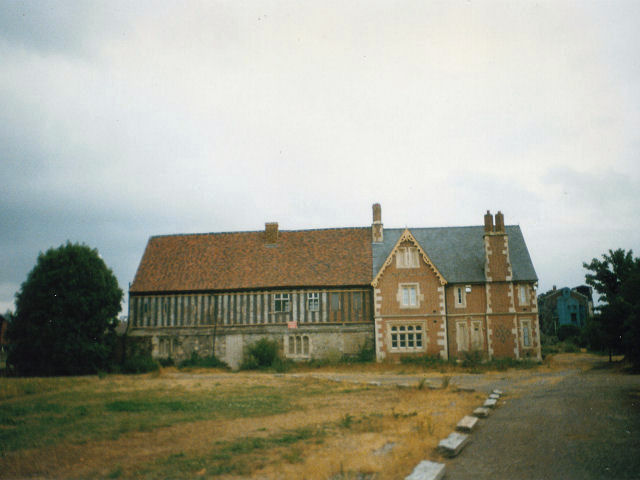
Surviving Remains Designated Grade I Listed, Scheduled Ancient Monument, Site of A Misfiring Royalist Cannon
Miles De Gloucester, 1st Earl of Hereford, Sibyl De Neufmarché, Roger Fitzmiles, 2nd Earl of Hereford, Mahel De Hereford, Henry Fitzmiles, Margaret of Hereford, Humphrey Ii De Bohun, Henry De Bohun, Humphrey De Bohun, 2nd Earl of Hereford, Anne of Gloucester, William Bourchier, 1st Count of Eu, Eleanor De Braose, Bertha of Hereford, William De Braose
- Founded As A Secondary House For Llanthony Priory
- Siege of Gloucester
About Llanthony Secunda Priory
Llanthony Secunda Priory was a significant Augustinian monastic house located near Gloucester Castle in Hempsted, Gloucestershire, England. It was founded in 1136 by Miles de Gloucester, 1st Earl of Hereford, as a supplementary establishment and refuge for the canons of the original Llanthony Priory in Wales. This secondary priory played a role in the region's history, notably being a site where a Royalist cannon misfired during the Siege of Gloucester, a peculiar event sometimes linked to the origins of the 'Humpty Dumpty' nursery rhyme, though this connection is disputed.
Historical Context and Activities
The canons of Llanthony Secunda Priory were known for their agricultural contributions, particularly cheese-making. Historical records indicate that "Lanthony Cheese" was a notable product, with gifts of this cheese and other delicacies like carp and lampreys being sent to the royal court. The priory's strategic location and its association with powerful figures like Miles de Gloucester underscore its importance in the medieval period. Following the Dissolution of the Monasteries, the priory and its lands were transferred to private ownership.
Preservation and Public Access
Today, the surviving structures of Llanthony Secunda Priory are recognized for their historical and architectural value, with the remains designated as a Grade I listed building and the wider site protected as a scheduled ancient monument. Significant restoration efforts were undertaken, culminating in the priory's re-opening to the public in August 2018. These efforts have made the site accessible for visitors to explore its history and preserved architecture.
Source: Wikipedia ↗
Frequently Asked Questions
When was Llanthony Secunda Priory founded?
Llanthony Secunda Priory was founded in 1136. It was established by Miles de Gloucester, 1st Earl of Hereford, as a secondary monastic house.
What was Llanthony Secunda Priory known for?
The priory was notable for its cheese-making, with 'Lanthony Cheese' being presented to Queen Elizabeth of York. It also supplied the King with lampreys and carp.
Is Llanthony Secunda Priory open to the public?
Yes, Llanthony Secunda Priory re-opened to the public in August 2018 following comprehensive restoration work. The site aims to showcase its historical significance and architectural remains.
What is the historical significance of Llanthony Secunda Priory?
The priory played a role in the Siege of Gloucester, where a Royalist cannon on its walls allegedly misfired, leading to a disputed claim as the origin of the 'Humpty Dumpty' rhyme. It also served as a significant Augustinian monastic community.
What remains of Llanthony Secunda Priory today?
The surviving remains of Llanthony Secunda Priory have been recognized for their historical importance, being designated as a Grade I listed building and a scheduled ancient monument.
Related Monasteries
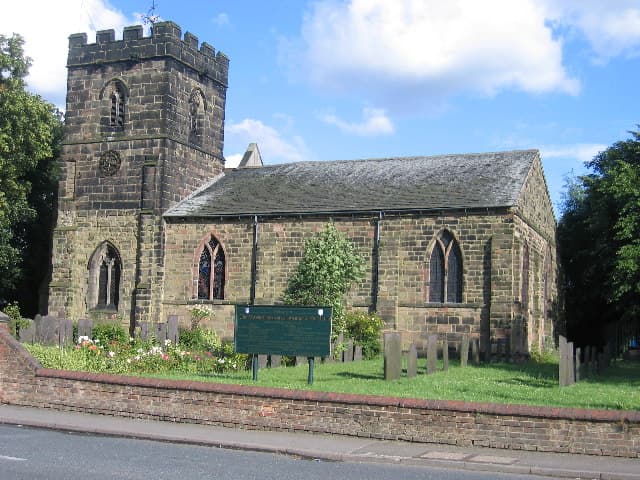
Gresley Priory
Gresley Priory was an Augustinian monastery founded in the 12th century in Church Gresley, Derbyshire, England. It played a significant role in the local community, with the Gresley family retaining influence over its direction for centuries. Following its dissolution in 1536, the priory church became the parish church of St George and St Mary, a role it continues to fulfill today, though much of the original monastic architecture has been lost to later rebuilding.

Lanercost Priory
Lanercost Priory, founded by Robert de Vaux between 1165 and 1174, was an Augustinian priory situated in Cumbria, England. It suffered numerous raids and depredations due to its proximity to the Scottish border, particularly during the Wars of Scottish Independence. Despite its dissolution in 1538, parts of the church remain intact and in use as a parish church, with the priory ruins now managed by English Heritage and open to the public.
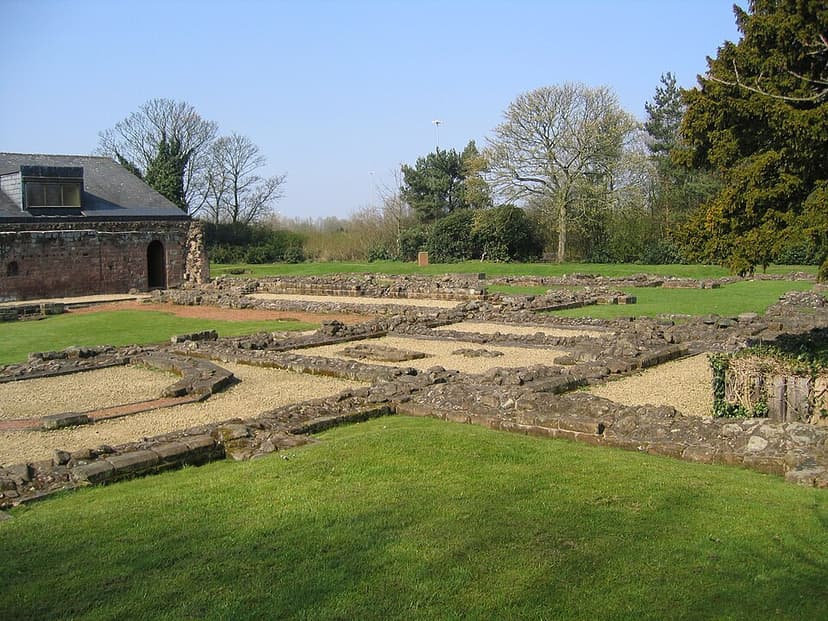
Runcorn Priory
Norton Priory is a significant historical site in Norton, Runcorn, England, featuring the remains of an Augustinian priory founded in the 12th century and elevated to an abbey in 1391. Closed during the dissolution of the monasteries in 1536, its surviving structures were incorporated into later country houses. Extensive excavations have revealed important monastic artifacts, and the site now operates as a museum and visitor attraction, preserving its rich history for the public.