
Gresley Priory
Gresley Priory was an Augustinian monastery founded in the 12th century in Church Gresley, Derbyshire, England. It played a significant role in the local community, with the Gresley family retaining influence over its direction for centuries. Following its dissolution in 1536, the priory church became the parish church of St George and St Mary, a role it continues to fulfill today, though much of the original monastic architecture has been lost to later rebuilding.
Key Facts
- ›Founded in the 12th century during the reign of King Henry I by William De Gresley.
- ›It was an Augustinian priory dedicated to Saint George.
- ›The Gresley family retained influence and made significant land grants to the priory.
- ›Suffered financial difficulties in the 14th century, with only four canons recorded at one point.
- ›Dissolved in 1536 and the church became the parish church of St George and St Mary.
- ›Only the foundations of the church and the lower section of the tower remain from the original 12th-century priory.
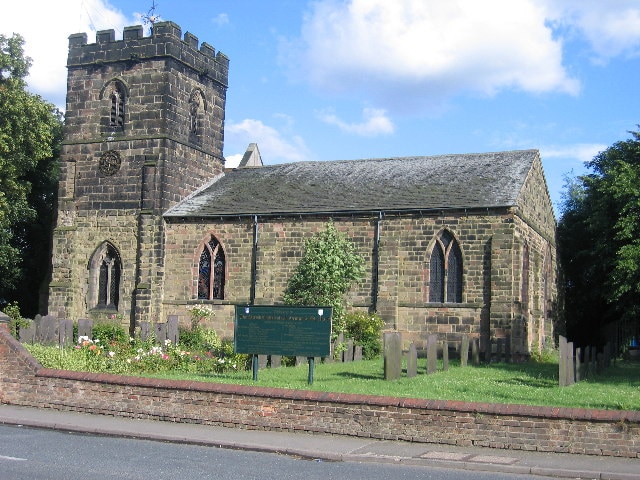
St George and St Mary's Church, Lower Section of the 12th-Century Tower
the Prior and Convent of St. George
William De Gresley, Sir Geoffrey De Gresley, Sir John De Gresley, John Okeley
- Founded By William De Gresley
- Gift of Advowson of Church of Lullington In 1245
- Dissolution of the Monasteries In 1536
About Gresley Priory
Gresley Priory was a significant Augustinian monastery located in Church Gresley, Derbyshire, England. Founded in the 12th century by William De Gresley during the reign of King Henry I, it was dedicated to Saint George. The Gresley family played a pivotal role throughout centuries, influencing the priory's affairs and making substantial land grants.
History and Development
The priory's early centuries saw continued patronage from the Gresley family, including significant gifts of land and the advowson of the nearby Church of Lullington. By the 14th century, however, the priory appears to have faced financial hardship, with records indicating a small number of canons struggling to maintain themselves and their church. Despite these challenges, the priory continued to exist, though it remained small, as evidenced by the need for external appointment of a prior in the late 15th century due to insufficient numbers for an election.
Dissolution and Legacy
In 1536, Gresley Priory was dissolved, a fate shared by many monastic institutions during this period. The priory church, however, found a new and enduring purpose. It became the parish church of St George and St Mary, a role it continues to fulfill in modern times and which gave the village its name. While much of the original monastic architecture has been altered or lost due to rebuilding, particularly around 1820, the lower section of the 12th-century tower and the church foundations survive as remnants of its monastic past. The church itself is recognized for its historical significance and is a Grade II* listed building.
Source: Wikipedia ↗
Frequently Asked Questions
When was Gresley Priory founded?
Gresley Priory was founded in the 12th century, specifically during the reign of King Henry I, which spanned from 1106 to 1135. This places its establishment in the early part of the 12th century.
What religious order was Gresley Priory part of?
Gresley Priory was a monastery of Augustinian Canons regular. This order follows the Rule of Saint Augustine.
What happened to Gresley Priory after its dissolution?
Following its dissolution in 1536, the priory church was granted to Henry Churche and subsequently became the parish church of St George and St Mary in Church Gresley. It continues to serve this function today.
What remains of the original 12th-century priory buildings?
From the original 12th-century priory buildings, only the foundations of the church and the lower section of the tower are still standing. Extensive rebuilding occurred around 1820, significantly altering the original structures.
Who founded Gresley Priory?
The priory was founded by William De Gresley, a member of the family associated with the neighboring Castle Gresley. His founding occurred during the reign of King Henry I.
Related Monasteries
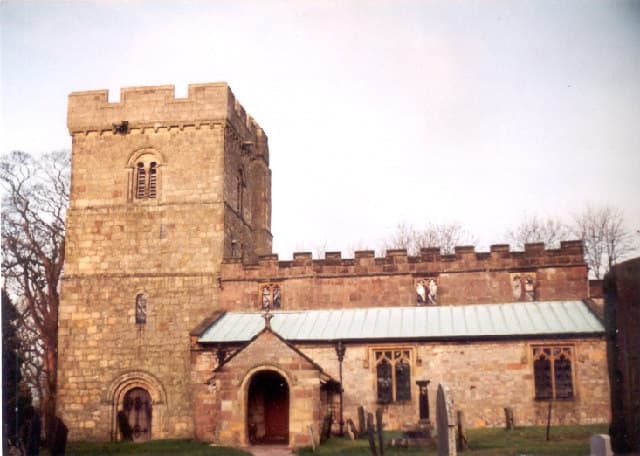
Bradbourne Priory
Bradbourne Priory was a monastic institution located in Bradbourne, Derbyshire, England, which included the main priory church and community, along with three associated chapelries. While its exact status as a priory in its earliest forms is unclear, it eventually became a "cell" of Dunstable Priory in the 13th century. The priory church itself survives today as All Saints Parish Church, a Grade I listed building with significant architectural history dating back to Saxon times.
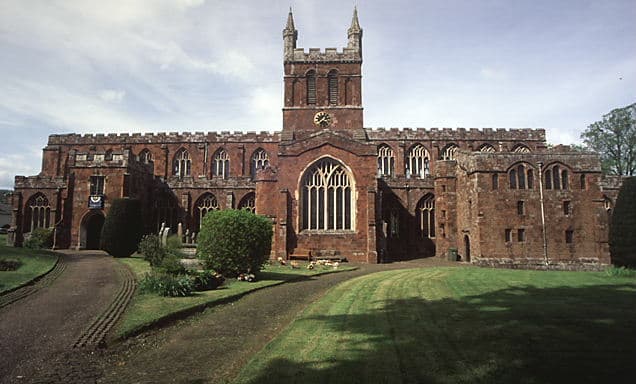
Crediton Monastery
Crediton Monastery, more formally known as the Collegiate Church of the Holy Cross and the Mother of Him Who Hung Thereon, was established in the early 10th century as the cathedral for Devon and Cornwall. Although the episcopal see was moved to Exeter in 1050, Crediton retained its status as a collegiate church with a college of canons. The current nave and chancel date from the 15th century, and after its surrender to Henry VIII in 1545, the church was purchased by the Crediton Town Corporation and continues to function as a parish church today.
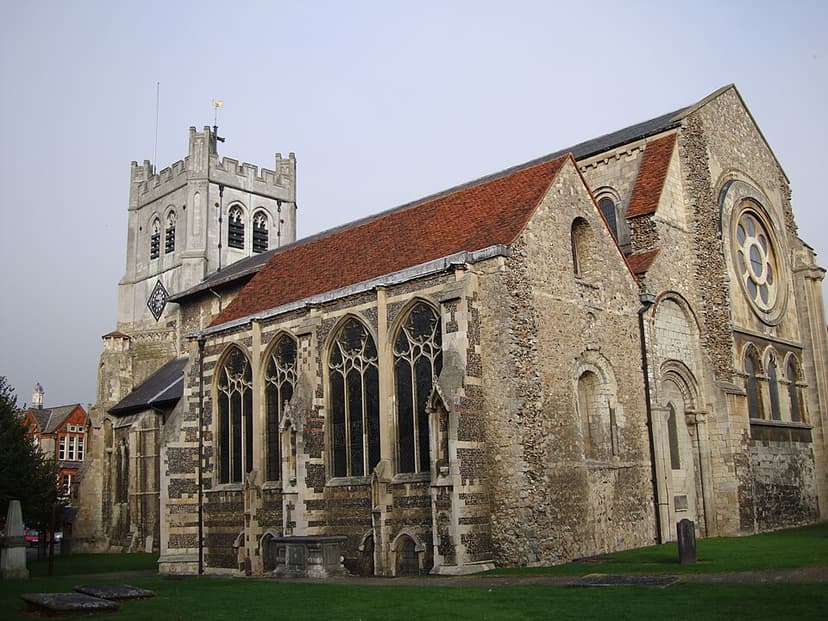
Waltham Abbey
Waltham Abbey, officially the Abbey Church of Waltham Holy Cross and St Lawrence, has a history of continuous worship dating back to the 7th century. Originally a monastic site, it was refounded as an Augustinian abbey in 1177 and became a major pilgrimage destination before its closure in 1540 during the Dissolution of the Monasteries. The present building primarily dates from the early 12th century, showcasing Norman architecture, and continues to serve as the parish church for the town of Waltham Abbey, England.