
Runcorn Priory
Norton Priory is a significant historical site in Norton, Runcorn, England, featuring the remains of an Augustinian priory founded in the 12th century and elevated to an abbey in 1391. Closed during the dissolution of the monasteries in 1536, its surviving structures were incorporated into later country houses. Extensive excavations have revealed important monastic artifacts, and the site now operates as a museum and visitor attraction, preserving its rich history for the public.
Key Facts
- ›Established as an Augustinian priory in 1115, later becoming an abbey in 1391.
- ›Dissolved in 1536 as part of the dissolution of the monasteries.
- ›Site of extensive archaeological excavations revealing significant monastic remains and artifacts.
- ›Incorporated into later country houses built on the site by the Brooke family.
- ›Opened to the public as a museum and visitor attraction in the 1970s.
- ›The 42-acre site includes a museum, excavated ruins, and surrounding gardens.
Romanesque
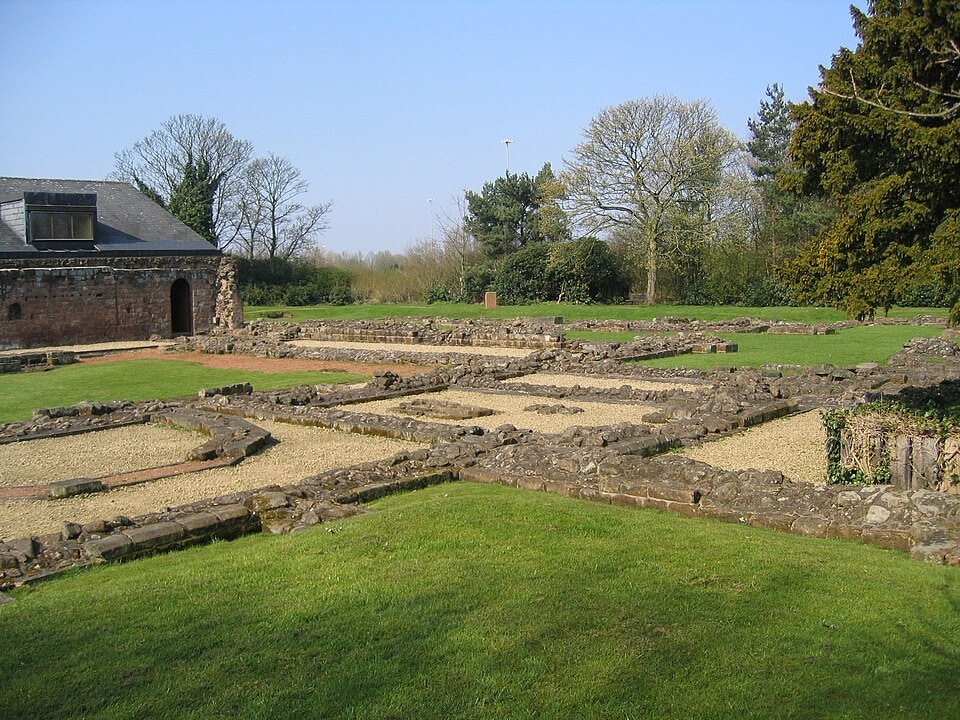
Excavated Monastic Ruins, Museum, Mosaic Tile Floor, Norman Doorway, Finely Carved Arcade, Medieval Statue of Saint Christopher, Walled Garden, Woodland and Gardens
William Fitz Nigel, William Fitz William, Sir Richard Brooke, Richard Wyche, John Shrewsbury, Sir Piers Dutton, Sir William Brereton, John of Gaunt
- Founding of the Priory In 1115
- Relocation To Norton In 1134
- Elevation To Abbey Status In 1391
- Dissolution of the Monasteries In 1536
- Construction of Country Houses On the Site
- Extensive Archaeological Excavations Beginning In 1971
About Runcorn Priory
Norton Priory
Norton Priory, located in Norton, Runcorn, Cheshire, England, is a historically significant site that encompasses the remnants of a once-thriving Augustinian priory and later abbey, alongside later residential structures. Established in 1115 by William fitz Nigel, the priory was initially a community of Augustinian canons. It played a crucial role in the region, likely assisting travellers crossing the River Mersey at the Runcorn Gap. The priory was moved to its Norton site in 1134, where it flourished.
Elevation to Abbey and Dissolution
In 1391, Norton Priory was elevated to the status of a mitred abbey, a rare distinction for an Augustinian house, granting its abbot the right to use pontifical insignia. The abbey continued as a significant religious and economic centre, though it faced periods of financial difficulty and structural deterioration, particularly in the 15th century. Its monastic life concluded in 1536 with the dissolution of the monasteries under Henry VIII.
Post-Monastic History and Rediscovery
Following the dissolution, the surviving buildings and lands were acquired by Sir Richard Brooke, who incorporated parts of the monastic complex into a Tudor country house, later replaced by an 18th-century Georgian mansion. The site remained in private hands until the Brooke family left in 1921. In 1966, the site was entrusted to the public. Since 1971, extensive archaeological excavations have been undertaken, revealing much about the priory's layout and daily life, including a large mosaic tile floor and a medieval statue of Saint Christopher. Today, Norton Priory operates as a museum and visitor attraction, preserving its rich heritage for the public through its excavated ruins, museum, and surrounding gardens.
Source: Wikipedia ↗
Frequently Asked Questions
When was Norton Priory founded?
Norton Priory was founded in 1115 as a priory for Augustinian canons. It was later raised to the status of an abbey in 1391.
What happened to Norton Priory after its dissolution?
Following its closure in 1536 during the dissolution of the monasteries, the surviving structures were purchased by Sir Richard Brooke, who built a Tudor house on the site. This was later replaced by an 18th-century Georgian house.
What is notable about the archaeological finds at Norton Priory?
Excavations at Norton Priory, some of the largest on a European monastic site, have revealed foundations, walls, a Norman doorway, a finely carved arcade, and a large mosaic tile floor. A medieval statue of Saint Christopher was also discovered.
Is Norton Priory still an active monastic community?
No, Norton Priory is no longer an active monastic community. It was dissolved in 1536 and the site is now managed as a museum and visitor attraction.
What is the current status of Norton Priory?
Norton Priory is now a museum and visitor attraction. The site is managed by an independent charitable trust and is open to the public.
What religious tradition was Norton Priory a part of?
Norton Priory was part of the Augustinian tradition, a monastic order of canons.
Related Monasteries

Monasterio de la Encarnación
The Real Monasterio de la Encarnación is a Recollet Augustinian convent in Madrid, Spain, founded by Queen Margaret of Austria in honor of her husband Philip III's expulsion of the Moriscos. Historically a place for women from noble families, it was built adjacent to the Royal Alcázar with a direct passageway for royalty. Today, it operates as a museum and is open to the public, housing a significant collection of religious art and relics.
Gresley Priory
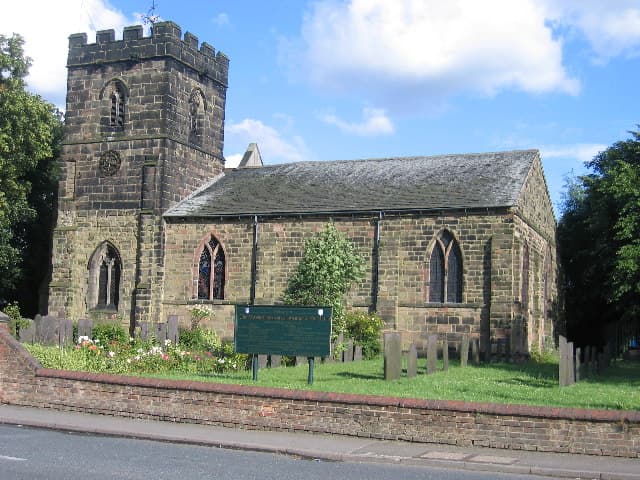
Gresley Priory was an Augustinian monastery founded in the 12th century in Church Gresley, Derbyshire, England. It played a significant role in the local community, with the Gresley family retaining influence over its direction for centuries. Following its dissolution in 1536, the priory church became the parish church of St George and St Mary, a role it continues to fulfill today, though much of the original monastic architecture has been lost to later rebuilding.

Lanercost Priory
Lanercost Priory, founded by Robert de Vaux between 1165 and 1174, was an Augustinian priory situated in Cumbria, England. It suffered numerous raids and depredations due to its proximity to the Scottish border, particularly during the Wars of Scottish Independence. Despite its dissolution in 1538, parts of the church remain intact and in use as a parish church, with the priory ruins now managed by English Heritage and open to the public.