
Lieu-Croissant Abbey
Lieu-Croissant Abbey, also known as Lieucroissant Abbey, was a Cistercian monastery founded in 1134 in Mancenans, Doubs, France. It gained the nickname "Abbaye des Trois Rois" (Abbey of the Three Kings) due to the relics of the Magi being entrusted to its monks during the Crusades. The abbey was tragically destroyed during the French Revolution in 1791.
Key Facts
- ›Founded in 1134.
- ›Destroyed in 1791 during the French Revolution.
- ›Was a daughter house of Lützel Abbey.
- ›Known as "Abbaye des Trois Rois" (Abbey of the three Kings).
- ›Entrusted with the relics of the Magi.
- ›Located in Mancenans, Doubs, France.

Relics of the Magi
Lieucroissant Abbey, Abbaye Des Trois Rois
- Entrustment of the Relics of the Magi.
- Destruction During the French Revolution In 1791.
About Lieu-Croissant Abbey
Overview
Lieu-Croissant Abbey, also known by its French names Abbaye de Lieu-Croissant or Abbaye de Lieucroissant, was a significant Cistercian monastery located in Mancenans, within the Doubs department of France. Its establishment in 1134 marked its entry into the monastic landscape of the region. The abbey's history is notable for its connection to sacred relics; it was entrusted with the relics of the Magi during the period of the Crusades. This event led to the abbey being popularly known as the "Abbaye des Trois Rois," or the Abbey of the Three Kings, a testament to its revered status and the importance of the relics it housed.
As a daughter house of Lützel Abbey, Lieu-Croissant Abbey was part of the wider Cistercian network, specifically belonging to the filiation of Morimond. This affiliation placed it within a structured and influential monastic order.
Tragically, the abbey met a destructive end. During the upheaval of the French Revolution, Lieu-Croissant Abbey was destroyed in 1791. Today, it exists only as ruins, a reminder of its former presence and the profound historical changes that led to its demise.
Source: Wikipedia ↗
Frequently Asked Questions
When was Lieu-Croissant Abbey founded?
Lieu-Croissant Abbey was founded in 1134. It was established as a Cistercian monastery.
What is the significance of the name 'Abbaye des Trois Rois'?
The abbey earned the nickname 'Abbaye des Trois Rois' (Abbey of the Three Kings) because the relics of the Magi were entrusted to its monks during the Crusades. This nickname highlights a significant historical event associated with the monastery.
What happened to Lieu-Croissant Abbey?
Lieu-Croissant Abbey was destroyed during the French Revolution in 1791. Its physical structures no longer exist.
Where was Lieu-Croissant Abbey located?
The abbey was situated in Mancenans, in the Doubs department of France. It was part of the region historically known as Franche-Comté.
What monastic order was Lieu-Croissant Abbey part of?
Lieu-Croissant Abbey was a Cistercian monastery. It belonged to the filiation of Morimond.
Related Monasteries

Abbaye Blanche
The Abbaye Blanche was a Benedictine nunnery founded in 1112 in Mortain, France, by Saint Vitalis. It was established for women with his sister, Adelina, as its first abbess. The community followed a strict interpretation of the Rule of Saint Benedict and later joined the Cistercian order in 1147. Though much has been lost to time, remnants of its Romanesque and Early Gothic architecture endure.
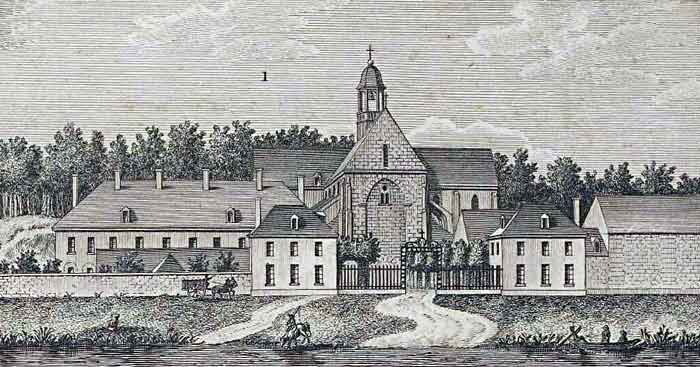
Barbeau Abbey
Barbeau Abbey was a Cistercian monastery founded in 1147 by King Louis VII of France. Located in Fontaine-le-Port, Seine-et-Marne, it was a site of royal burial and experienced periods of prosperity and destruction throughout its history, including the Hundred Years' War and the French Revolution. Today, few original structures remain, with a riding school occupying the former site.

Bellevaux Abbey
Bellevaux Abbey was a Cistercian monastery established in 1120 in Franche-Comté, France, by Pons de Morimond. It was a significant religious house, connected to local nobility and notable figures like Burchard of Bellevaux and Peter of Tarentaise. Though suppressed in 1790 and largely demolished shortly after, its history includes periods of destruction and rebuilding, with the final structures erected by Abbot Louis Albert de Lezay-Marnésia. The site later housed a Trappist community before being sold to private owners.