
Lessay Abbey
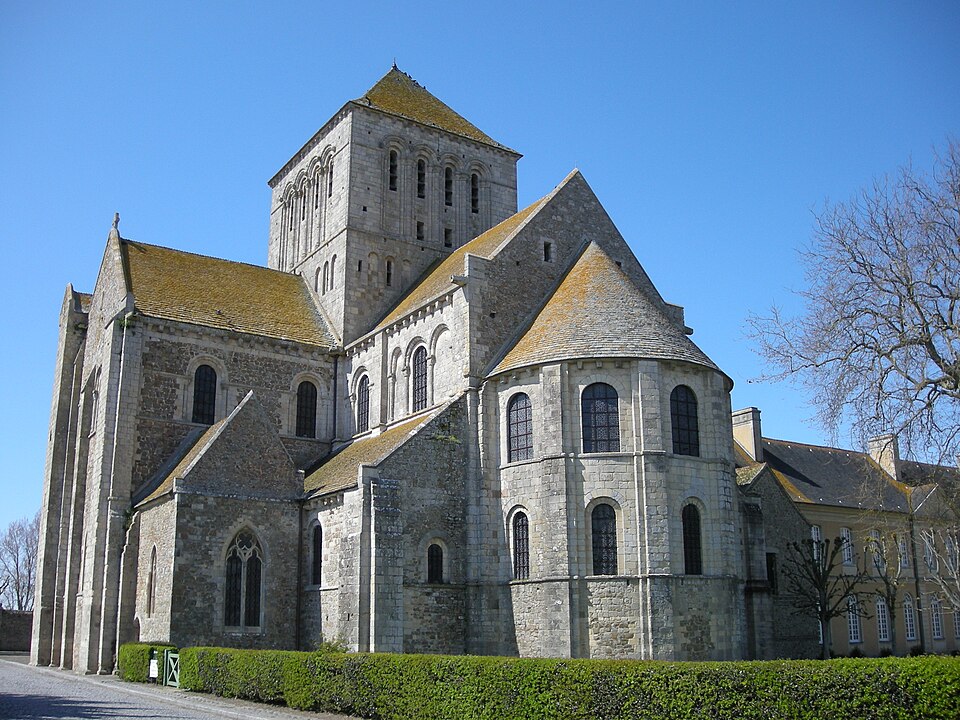
The Abbey of the Holy Trinity in Lessay, France, is a significant 11th-century Romanesque Benedictine abbey. It is recognized as one of the most important Norman Romanesque churches and was an early adopter of the rib vault, a precursor to Gothic architecture. Despite near destruction in the 14th century and complete destruction in 1944, the abbey has been rebuilt and continues its religious and historical legacy.
Key Facts
- ›Founded in 1056 by Turstin Haldup and his wife Emma.
- ›One of the first examples of rib vaulting in the choir, around 1098.
- ›Nearly destroyed in 1357 during conflicts.
- ›Completely destroyed in 1944 during World War II.
- ›Rebuilt after its destruction in 1944.
- ›The abbey was confirmed by Eudes au Capel, son of the founder, and witnessed by Duke William and Geoffrey de Montbray.
Romanesque
Rib Vaulting In the Choir
Abbey of the Holy Trinity
Turstin Haldup, Emma, Eudes Au Capel, William the Conqueror, Geoffrey De Montbray, St. Anselm, Eudes Rigaud
Founded In 1056, Charter Confirmed In 1080, Nearly Destroyed In 1357, Destroyed In 1944, Rebuilt After 1944
About Lessay Abbey
The Abbey of the Holy Trinity, commonly known as Lessay Abbey, is an 11th-century Romanesque Benedictine monastery situated in Lessay, in the Manche department of France. It stands as a significant example of Norman Romanesque architecture and holds historical importance for its early adoption of architectural innovations. The abbey church was one of the first structures to feature rib vaulting in its choir, a development around 1098 that would prove instrumental in the evolution of Gothic architecture.
History and Significance
Founded in 1056 by Turstin Haldup and his wife Emma, the abbey was endowed with holdings in the Sainte-Opportune parish. Its charter received significant confirmations, including one in 1080 by Eudes au Capel, son of the founder and seneschal for William the Conqueror. The abbey's charter was also signed by notable figures such as Duke William himself and Geoffrey de Montbray, bishop of Coutances, alongside bishops from Canterbury, York, Bayeux, Winchester, and St. Anselm. Eudes au Capel was later buried in the abbey's choir in 1098.
The monastic community experienced periods of growth and hardship. In 1250, Archbishop Eudes Rigaud noted 36 monks, with the community expanding to 56 by 1266, though this later period was marked by privations due to hostilities with England. By 1337, the abbot commissioned a separate parish church for Sainte-Opportune. The monastery also gained control of townships and trade fairs in 1423.
Lessay Abbey has faced considerable destruction throughout its history. It was nearly destroyed in 1357, and more recently, the abbey was completely devastated in 1944 during World War II. Following this extensive damage, the abbey has undergone subsequent rebuilding, preserving its historical and spiritual significance for contemporary times.
Source: Wikipedia ↗
Frequently Asked Questions
When was Lessay Abbey founded?
Lessay Abbey, officially the Abbey of the Holy Trinity, was founded in 1056. The founding charter was confirmed in 1080 by Eudes au Capel.
What is the architectural significance of Lessay Abbey?
The abbey is considered one of the most important Norman Romanesque churches. It is noted as one of the first examples to use the rib vault to cover the choir around 1098, a key element that would later become characteristic of Gothic architecture.
What historical events have impacted Lessay Abbey?
The abbey was nearly destroyed in 1357. More recently, it was completely destroyed in 1944 and subsequently rebuilt.
Who were the founders of Lessay Abbey?
The Benedictine Abbey of the Holy Trinity in Lessay was founded by Turstin Haldup, Baron of La Haye-du-Puits, and his wife Emma. They deeded their holdings in the Sainte-Opportune parish to the new monastery.
What was the size of the monastic community at Lessay Abbey?
In 1250, during a visit by Archbishop Eudes Rigaud, the abbey had 36 monks. A later visit in 1266 showed an increase to 56 monks, although hostilities had caused significant hardship.
Related Monasteries
Aiguebelle Abbey
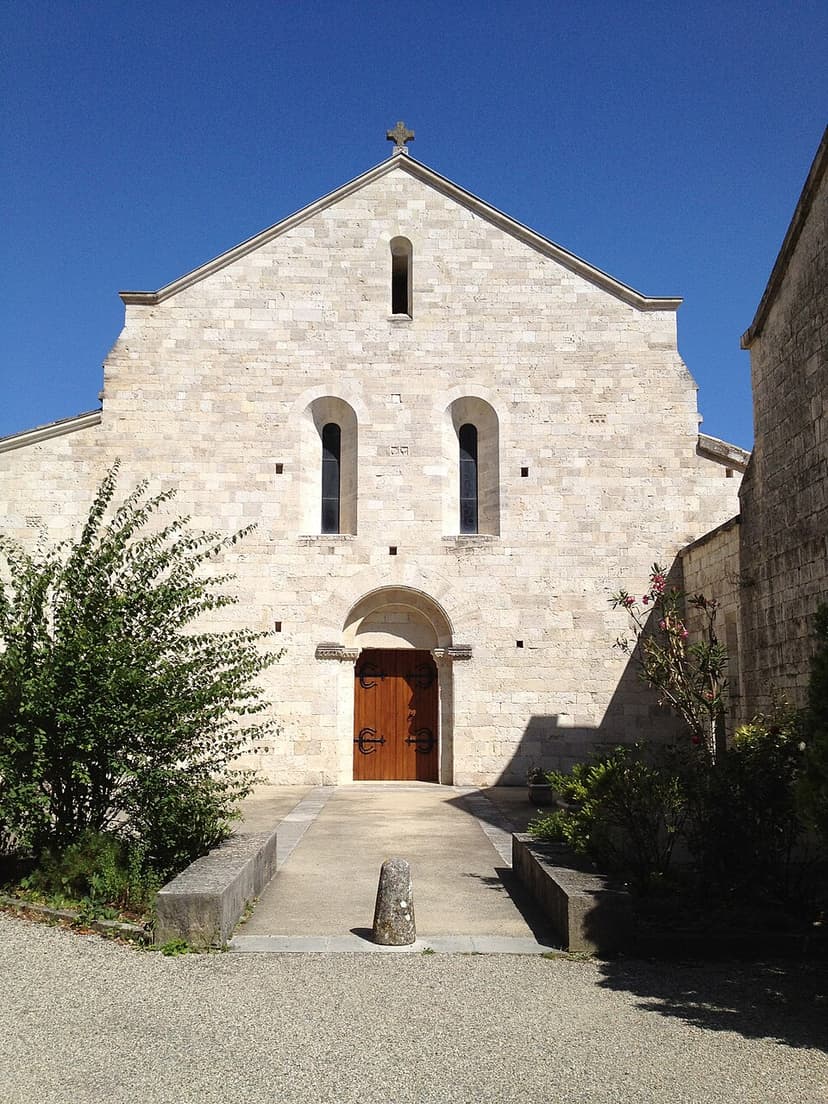
Aiguebelle Abbey, officially Abbaye Notre-Dame d'Aiguebelle, is a Trappist monastery located in the Drôme department of France, on the historical borders of Dauphiné and Provence. Originally founded as a Benedictine monastery in 1045, it was re-established as a Cistercian house in 1137 and later refounded as a Trappist monastery in 1815. The abbey is notable for preserving many of its medieval buildings and for its significant role in establishing numerous daughter houses across the globe.
Le Canigou Abbey
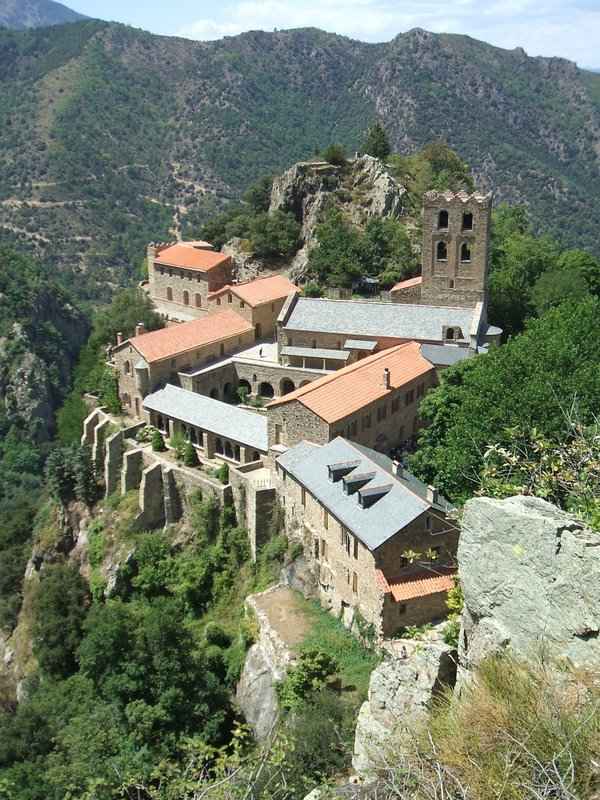
The Abbey of Saint-Martin-du-Canigou, also known as Sant Martí del Canigó, is a historic Benedictine monastery situated in the Pyrenees of Northern Catalonia, France. Founded in 1009 by Guifred II, Count of Cerdanya, as an act of atonement, it served as a significant religious center for centuries. Despite suffering damage from an earthquake and undergoing secularization and abandonment, the abbey was extensively restored in the early 20th century and is now home to the Catholic Community of the Beatitudes.

Solesmes Abbey
Solesmes Abbey, officially known as St. Peter's Abbey, Solesmes, is a Benedictine monastery in Solesmes, France, founded in 1010. It played a pivotal role in the revival of Benedictine monastic life in France following the French Revolution, under the leadership of Dom Prosper Guéranger. The abbey is renowned for its contributions to the advancement of Roman Catholic liturgy and the revival of Gregorian chant, maintaining these traditions to the present day.