
Lagrasse Abbey
The Abbey of St. Mary of Lagrasse, originally founded in the 7th century, is a significant Romanesque abbey located in southern France. It transitioned from a Benedictine monastery to its current status as home to a community of canons regular in 2004. The abbey boasts a rich architectural history, incorporating Romanesque, classical, and medieval elements, and has undergone extensive restoration.
Key Facts
- ›Founded in the 7th century by Abbot Nimphridius of Narbonne.
- ›Originally followed the Rule of Saint Benedict.
- ›Elevated to the rank of abbey in 779.
- ›Experienced a decline in religious life from the 13th to 15th centuries, leading to fortifications.
- ›Since 2004, it has housed the Canons Regular of the Mother of God.
- ›Features Romanesque architecture from the 11th century, with later classical and medieval additions.
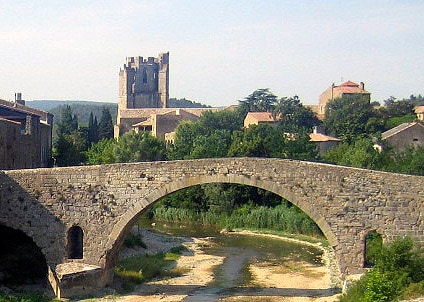
Romanesque, Classical, Medieval
- 11th-Century Romanesque Church
- 18th-Century Classical Cloister and Ceremonial Cour D'Honneur
- Medieval Abbot's House and Cloister
- Monks' Dormitory With Ogival Vault
- Octagonal Bell Tower
- Lapidary Museum
- Remains of An Ancient Romanesque Portal With Sculpted Arch
Abbaye Sainte-Marie De Lagrasse, Abbaye Sainte-Marie-D'Orbieu
Nimphridius, Philippe De LéVis, Armand Bazin De Bezons
- Founded In the 7th Century
- Elevated To Abbey Rank In 779
- Fortified During the 13th To 15th Centuries
- Joined the Congregation of Saint Maur In 1663
- Confiscated and Sold During the French Revolution In 1789
- Community of Canons Regular Moved In 2004
About Lagrasse Abbey
Abbey of St. Mary of Lagrasse
The Abbey of St. Mary of Lagrasse (French: Abbaye Sainte-Marie de Lagrasse) is a historic Romanesque abbey situated in Lagrasse, in southern France, with origins dating back to the 7th century. Located in Languedoc, near the Corbières Massif, it was initially established as a Benedictine monastery. Since 2004, the abbey has been the home of a community of canons regular.
History and Development
The monastic community was founded in the 7th century by Abbot Nimphridius of Narbonne, who introduced the Rule of Saint Benedict. The institution was elevated to the rank of an abbey in 779 and rapidly grew through donations, acquiring substantial lands and assets. By the 12th century, its influence extended over a vast territory. The period between the 13th and 15th centuries saw the abbey fortified due to frequent wars, a time during which religious life experienced a decline.
A revival of religious life occurred in the 17th century when the monastery joined the Congregation of Saint Maur in 1663. In the 18th century, under the patronage of commendatory abbot Bishop Armand Bazin de Bezons, the abbey was enhanced with classical architectural elements, including a ceremonial cour d'honneur and a cloister. The onset of the French Revolution in 1789 led to the abbey's confiscation by the state and its subsequent sale.
In 2004, the Canons Regular of the Mother of God took up residence in the larger portion of the abbey. This community, largely comprised of priests, adheres to the Rule of St. Augustine, dedicating their lives to the liturgy celebrated in the pre-Vatican II form, contemplation, and evangelization.
Architectural Significance
The abbey complex showcases a blend of architectural styles. The public section includes the 13th-century abbot's house with a small cloister, the abbot's chapel, the monks' dormitory, and the north transept of the church. The Romanesque church, built in the 11th century, features a single nave, a presbytery, a transept, and three apses. Later additions include a new church and an 18th-century abbot's palace, alongside a cloister from the same period. Restoration work on the cloister has revealed remnants of an ancient Romanesque portal with a sculpted marble arch, attributed to the Master of Cabestany. The abbey also features a prominent octagonal bell tower that stands 40 meters high. Ongoing restoration efforts, supported by local associations and regional funding, have been recognized for their quality.
Source: Wikipedia ↗
Frequently Asked Questions
When was Lagrasse Abbey founded?
The monastic community at Lagrasse Abbey was founded in the 7th century. Its origins trace back to Abbot Nimphridius of Narbonne, who established it following the Rule of Saint Benedict.
What religious tradition does Lagrasse Abbey belong to?
Lagrasse Abbey was originally a Benedictine monastery. Since 2004, it has been home to a community of canons regular, specifically the Canons Regular of the Mother of God, who live under the Rule of St. Augustine.
What are the notable architectural styles found at Lagrasse Abbey?
The abbey showcases a variety of architectural styles. Its Romanesque church dates to the 11th century, while later periods contributed classical elements in the 18th century and medieval fortifications. Restoration efforts have also uncovered remains of an ancient Romanesque portal.
Is Lagrasse Abbey still an active monastery?
Yes, Lagrasse Abbey is currently home to an active community. Since 2004, the Canons Regular of the Mother of God have resided there, dedicating themselves to liturgy and evangelization.
What historical events impacted Lagrasse Abbey?
Lagrasse Abbey faced periods of fortification due to numerous wars between the 13th and 15th centuries. During the French Revolution in 1789, the abbey was confiscated by the state and sold.
Related Monasteries

Fécamp Abbey
Fécamp Abbey, officially the Abbey of the Holy Trinity at Fécamp, is a Benedictine monastery located in Fécamp, France. Originally founded as a nunnery in the 7th century, it was destroyed and later refounded in the late 10th century. The abbey played a significant role in Norman history, particularly in the Norman Conquest of England, and is historically known as the first producer of the herbal liqueur Bénédictine.

Évron Abbey
Évron Abbey was a Benedictine monastery located in Évron, France, with its foundation traditionally attributed to the 7th century. Dissolved during the French Revolution in 1791, its monastic church remains as the Basilica of Notre-Dame de l'Épine. Today, the site serves as the home of the Community of Saint Martin, an association of priests and deacons.
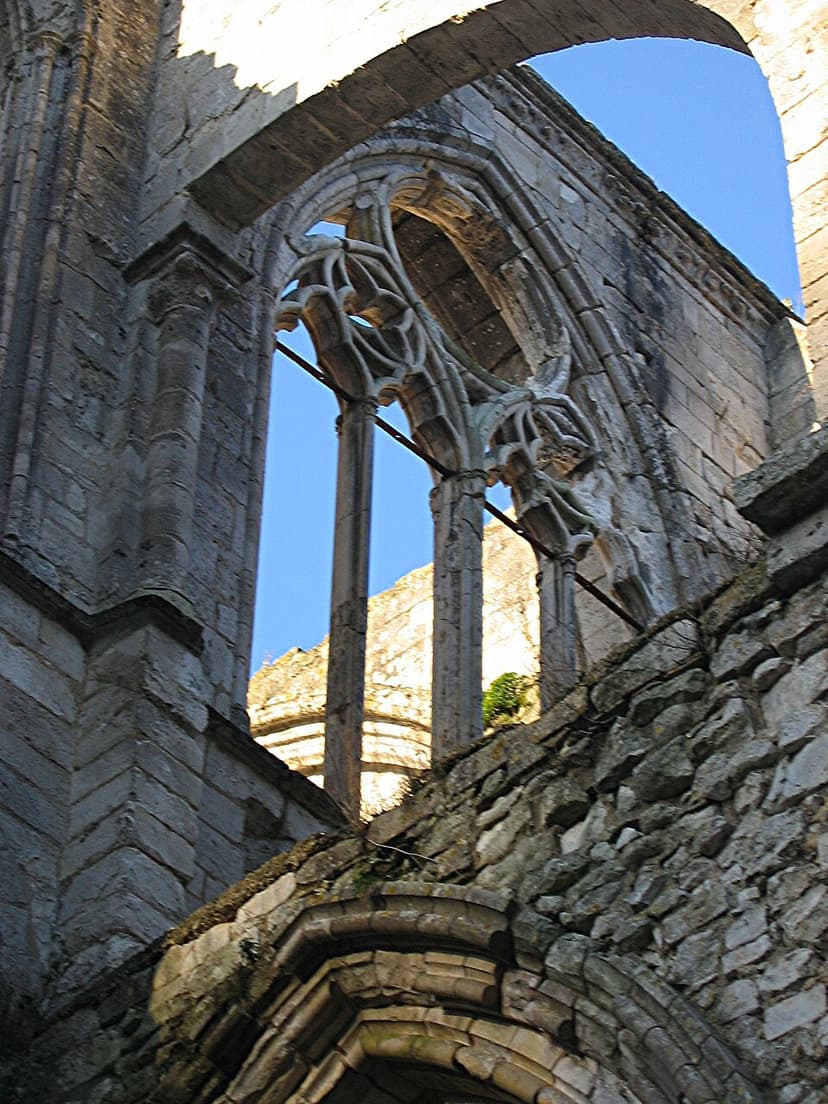
Abbey of St Wandrille
Fontenelle Abbey, also known as the Abbey of St. Wandrille, is a historic Benedictine monastery located in Normandy, France. Founded in 649 by Saint Wandregisel, it was one of the earliest Benedictine foundations in the region and played a significant role in Carolingian monastic networks. The abbey has a rich history marked by periods of great prosperity and learning, as well as challenges including Viking raids and suppression during the French Revolution, before its restoration and continued operation to the present day.