
Abbey of St Wandrille
Fontenelle Abbey, also known as the Abbey of St. Wandrille, is a historic Benedictine monastery located in Normandy, France. Founded in 649 by Saint Wandregisel, it was one of the earliest Benedictine foundations in the region and played a significant role in Carolingian monastic networks. The abbey has a rich history marked by periods of great prosperity and learning, as well as challenges including Viking raids and suppression during the French Revolution, before its restoration and continued operation to the present day.
Key Facts
- ›Founded in 649 by Saint Wandregisel on land granted by Archbishop Ouen of Rouen.
- ›Notable for its library and school, which fostered learning and the fine arts, including calligraphy.
- ›Suffered significant damage and disruption from Viking raids, particularly in 852.
- ›Rebuilt and re-established by monks from Ligugé Abbey in 1893 after its suppression during the French Revolution.
- ›The chapel of St. Saturnin, built by the founder, is considered one of the most ancient existing ecclesiastical buildings.
- ›The current abbot is the 82nd in succession from the founder, Saint Wandrille.
Carolingian
Library, School, Chapel of St. Saturnin
Fontenelle Abbey
Wandregisel, Godo, Ouen, Ansegisus, Harduin, Joseph Pothier
- Founded In 649.
- Basilica Consecrated In 657.
- Destroyed By Fire In 756.
- Rebuilt and Reformed By Abbot Ansegisus In the 9th Century.
- Burned Down By Vikings In 852.
- Restored and Community Returned In 966.
- Suppressed During the French Revolution In 1791.
- Restored and Re-Established In 1893.
About Abbey of St Wandrille
Abbey of St. Wandrille
Fontenelle Abbey, also known as the Abbey of St. Wandrille, stands as a significant Benedictine monastery located in the commune of Rives-en-Seine, Normandy, France. Its origins trace back to 649 when it was founded by Saint Wandregisel, a nobleman who renounced his courtly life to pursue a spiritual path. Supported by land obtained through the influence of his friend Ouen, Archbishop of Rouen, Wandregisel established one of Normandy's earliest Benedictine foundations, utilizing the Rule of Saint Columbanus initially.
Early History and Flourishing
The abbey quickly established itself, with Wandregisel constructing a large basilica dedicated to Saint Peter. Despite periods of decline, particularly under lay abbots from 740 onwards, it saw reform and growth. The 9th century, under Abbot Ansegisus, marked a period of significant development, including the compilation of royal capitularies and a chronicle of the abbey. The monastery became renowned for its fervent and learned monks, who numbered over 300 during its peak prosperity. Its library and school were particularly celebrated for their cultivation of letters, fine arts, sciences, and calligraphy, producing notable scholars and copyists like Harduin.
Challenges and Resilience
Throughout its history, Fontenelle Abbey faced considerable challenges. Viking raids posed a severe threat, culminating in the burning of the abbey on January 9, 852, which forced the monks to flee with relics. After over a century in various temporary locations, the community returned in 966, initiating a restoration. Subsequent centuries saw further rebuilding after disasters like lightning strikes and fires. The introduction of commendatory abbots in the 16th century led to a decline in prosperity.
Revival and Modern Era
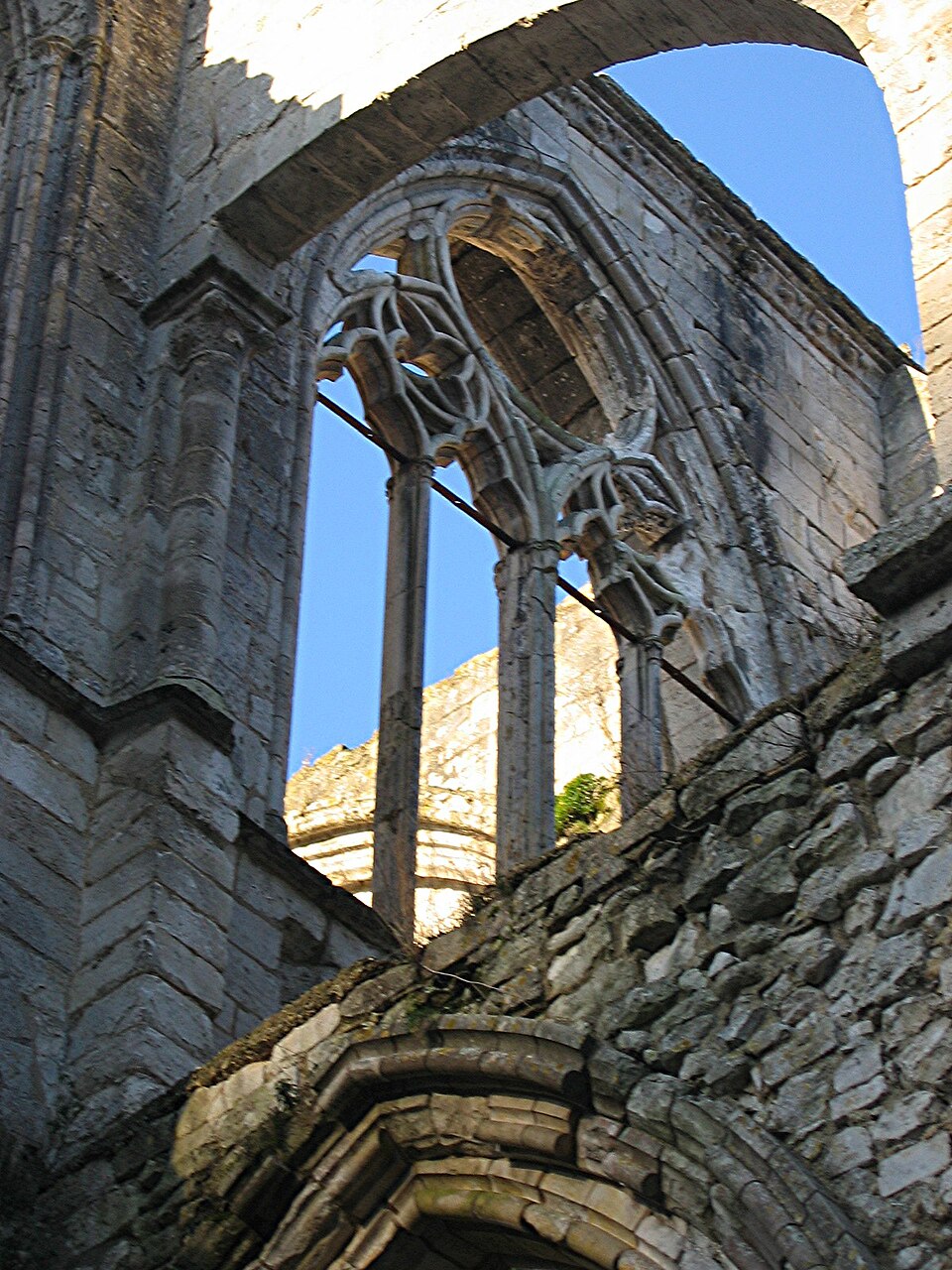
A significant revival began in 1636 when the Congregation of Saint Maur took over the abbey, undertaking extensive restoration and construction. This period of renewed life lasted for approximately 150 years until the French Revolution in 1791, when the abbey was suppressed and its property auctioned. The buildings were partially demolished, with the remainder serving various purposes before eventually being restored to the French Benedictines of the Solesmes Congregation in 1893. The community was expelled in 1901 but returned in 1931 and continues its monastic life today. The abbey remains an active Benedictine community, with its current abbot being the 82nd in direct succession from its founder.
Source: Wikipedia ↗
Frequently Asked Questions
When was the Abbey of St. Wandrille founded?
The Abbey of St. Wandrille was founded on March 1, 649. The deed of gift for the land was dated on this day.
Who founded the Abbey of St. Wandrille?
The abbey was founded by Saint Wandregisel, also known as Wandrille, and his nephew Godo. Land for the foundation was secured through the influence of Wandregisel's friend, Ouen, the Archbishop of Rouen.
What is the Abbey of St. Wandrille known for historically?
Historically, the abbey was renowned for the fervor and learning of its monks, its extensive library, and its school where arts and sciences were cultivated. It also played a role in the network of Carolingian monasteries.
Has the abbey always been in continuous operation?
No, the abbey has experienced periods of decline and suppression. It was suppressed during the French Revolution in 1791, and its property was sold. However, religious life was restored in 1893.
What notable structures are part of the abbey?
Besides the main basilica, the chapel of St. Saturnin, built by the founder Saint Wandrille, is one of the most ancient existing ecclesiastical buildings on the site. The abbey has undergone numerous reconstructions and additions throughout its history.
Is the Abbey of St. Wandrille still active today?
Yes, the Abbey of St. Wandrille is an active Benedictine monastery. A community of monks from Ligugé Abbey resettled there in 1893, and it has remained operational since then, apart from a temporary expulsion in 1901.
Related Monasteries

Fleury Abbey
Fleury Abbey, located in Saint-Benoît-sur-Loire, France, is a historically significant Benedictine monastery founded around 640 AD. It is renowned for housing the relics of Saint Benedict of Nursia, a claim that is disputed by the monks of Monte Cassino. The abbey played a vital role in Western European monasticism, boasting a renowned library and attracting scholars during its medieval heyday.

Jouarre Abbey
Jouarre Abbey is a Benedictine monastery in Jouarre, France, founded around 630 CE. It is historically significant as a Merovingian "double community" with both monks and nuns under the rule of an abbess, a tradition that later adopted the Rule of Saint Benedict. The abbey is renowned for its Merovingian crypt featuring pre-Romanesque sculptures and has been an important pilgrimage site, surviving Viking raids, the Hundred Years' War, and the French Revolution.

Solignac Abbey
Solignac Abbey, founded around 631 AD by Saint Eligius, is a historic Benedictine monastery located in Solignac, France. Initially established to house 150 monks and a renowned silversmith workshop, it has endured periods of destruction, reconstruction, and various secular uses. Since 2021, the abbey has been undergoing restoration to resume its function as a contemplative monastic community.