
Solignac Abbey
Solignac Abbey, founded around 631 AD by Saint Eligius, is a historic Benedictine monastery located in Solignac, France. Initially established to house 150 monks and a renowned silversmith workshop, it has endured periods of destruction, reconstruction, and various secular uses. Since 2021, the abbey has been undergoing restoration to resume its function as a contemplative monastic community.
Key Facts
- ›Founded by Saint Eligius around 631 AD.
- ›Initially followed the rules of Saints Benedict and Columbanus, with inspiration from Luxeuil Abbey.
- ›The present buildings largely date from the 12th and 13th centuries.
- ›Was dissolved during the French Revolution and used for various purposes, including a prison and a boarding school.
- ›Re-established as a contemplative monastic community by Benedictine monks in November 2021.
- ›The abbey church is noted for its Romanesque architecture and a unique row of domes in the Limousin region.

Romanesque
Abbey Church With A Row of Domes, Historic Silversmith Workshop, Romanesque Architecture, Site of St. Eligius's Legendary Hammer Throw
- Abbey of Saint Peter and Saint Paul of Solignac
Saint Eligius, Saint Remacle, Saint Audoin, Thillo
- Founded Around 631 Ad
- Dissolved During the French Revolution
- Re-Established As A Contemplative Monastery In 2021
About Solignac Abbey
Solignac Abbey: A Legacy of Faith and Resilience
Solignac Abbey, officially known as the Abbey of Saint Peter and Saint Paul of Solignac, stands as a significant historical and religious site in Solignac, near Limoges, in the Haute-Vienne department of France. Its origins trace back to approximately 631 AD, when it was founded by the influential Saint Eligius (Saint Éloi), a renowned goldsmith and bishop. The abbey was established under the patronage of Saints Peter and Paul, and its initial foundation was guided by the rules of Saint Benedict and Saint Columbanus, drawing inspiration from the practices of Luxeuil Abbey.
Early History and Significance
Saint Eligius envisioned Solignac Abbey not only as a center of prayer and spiritual life but also as a hub of skilled craftsmanship. Legend recounts that Saint Eligius chose the site by throwing a hammer from a nearby height, marking the spot where the abbey would be built. The early community quickly grew, with Saint Audoin describing it as a place of exceptional observance and a center for skilled artisans, notably a large silversmith workshop. The abbey's early structure and governance were unique, initially subordinate to the king rather than a local bishop, and its monks were granted ownership provided they adhered to the monastic rules.
Periods of Turmoil and Reconstruction
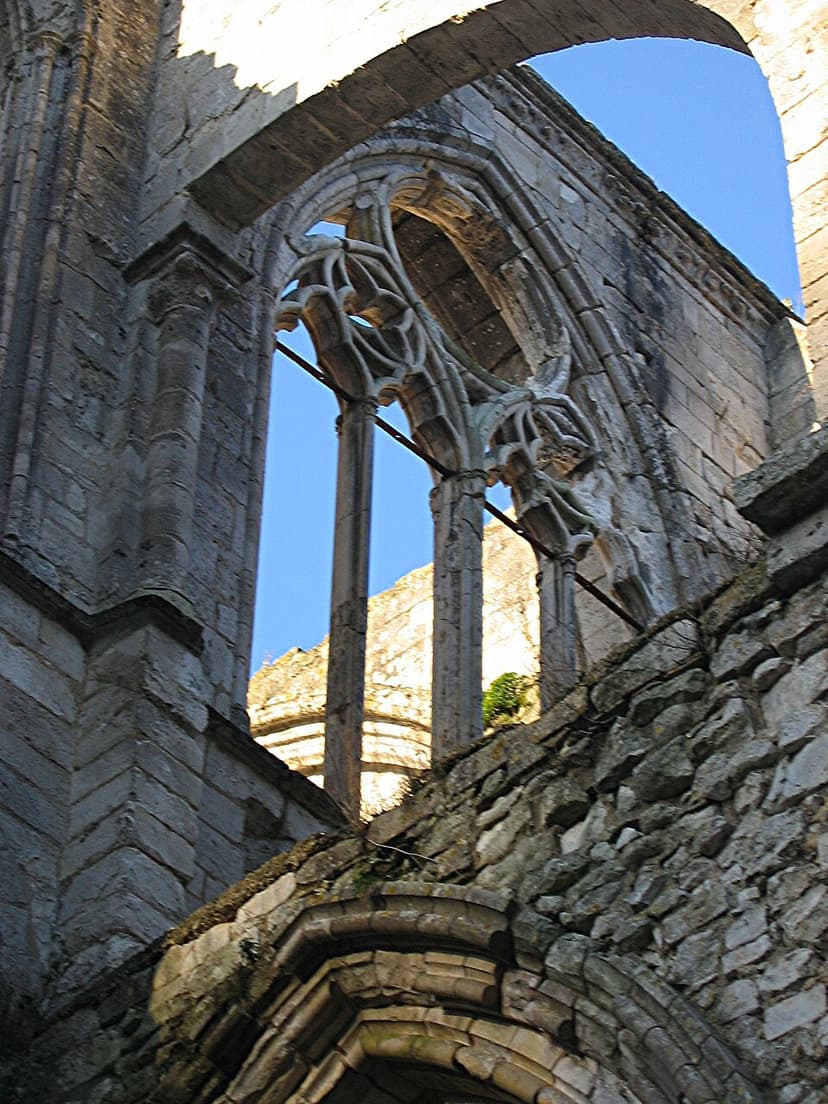
Over the centuries, Solignac Abbey faced numerous challenges, including Saracen and Viking incursions, periods of destruction, and subsequent rebuilding efforts. Notable events include privileges granted by Pepin the Short and Charlemagne to aid in reconstruction, the imposition of the reformed Benedictine rule by Saint Benedict of Aniane, and the looting and burning of the abbey by Viking raiders around 860 or 864. The abbey church itself underwent significant construction and reconstruction, with its current Romanesque structure largely dating from the 12th and 13th centuries, distinguished by a notable row of domes.
From Revolution to Restoration
The French Revolution marked a profound turning point for Solignac Abbey. In 1790, the monastic community was dissolved, and the buildings were repurposed for secular use, serving variously as a prison, a boarding school for girls, a porcelain factory, and a seminary. Despite these changes, the abbey's architectural significance was recognized, with the entrance door listed as a historical monument in 1944 and the abbey church classified in 1862. In a significant development, since November 2021, the abbey has once again become a center of contemplative life with the establishment of a Benedictine priory, marking a return to its foundational purpose and initiating a new era of restoration and spiritual renewal.
Source: Wikipedia ↗
Frequently Asked Questions
When was Solignac Abbey founded?
Solignac Abbey was founded around 631 AD by Saint Eligius of Noyon. The foundation date is precisely recorded as November 22nd in the tenth year of King Dagobert I's reign.
Who founded Solignac Abbey?
The abbey was founded by Saint Eligius, also known as Saint Éloi, who was a renowned goldsmith and bishop. He received the land from King Dagobert I to establish the monastery.
What is the architectural style of Solignac Abbey?
The present buildings of Solignac Abbey largely date from the 12th and 13th centuries. The abbey church is a significant example of Romanesque art, notable for its row of domes, a characteristic not commonly found in the Limousin region.
What happened to Solignac Abbey during the French Revolution?
During the French Revolution, the abbey was dissolved, and the monks were expelled. The buildings were subsequently repurposed for various uses, including a prison, a boarding school, and a seminary.
Is Solignac Abbey still an active monastery?
Yes, as of November 2021, Solignac Abbey has resumed its function as a contemplative monastic community with the installation of Benedictine monks from the Saint-Joseph de Clairval Abbey. Plans are underway for extensive restoration to support this renewed monastic life.
What notable historical figures are associated with Solignac Abbey?
Saint Eligius is the founder. Saint Remacle served as the first abbot, and Saint Audoin (Ouen) wrote about the abbey's early observance. Thillo, a former slave of Eligius, also had a connection to the abbey's workshops.
Related Monasteries
Abbey of St Wandrille
Fontenelle Abbey, also known as the Abbey of St. Wandrille, is a historic Benedictine monastery located in Normandy, France. Founded in 649 by Saint Wandregisel, it was one of the earliest Benedictine foundations in the region and played a significant role in Carolingian monastic networks. The abbey has a rich history marked by periods of great prosperity and learning, as well as challenges including Viking raids and suppression during the French Revolution, before its restoration and continued operation to the present day.

Fleury Abbey
Fleury Abbey, located in Saint-Benoît-sur-Loire, France, is a historically significant Benedictine monastery founded around 640 AD. It is renowned for housing the relics of Saint Benedict of Nursia, a claim that is disputed by the monks of Monte Cassino. The abbey played a vital role in Western European monasticism, boasting a renowned library and attracting scholars during its medieval heyday.

Jouarre Abbey
Jouarre Abbey is a Benedictine monastery in Jouarre, France, founded around 630 CE. It is historically significant as a Merovingian "double community" with both monks and nuns under the rule of an abbess, a tradition that later adopted the Rule of Saint Benedict. The abbey is renowned for its Merovingian crypt featuring pre-Romanesque sculptures and has been an important pilgrimage site, surviving Viking raids, the Hundred Years' War, and the French Revolution.