
La Cour-Dieu Abbey
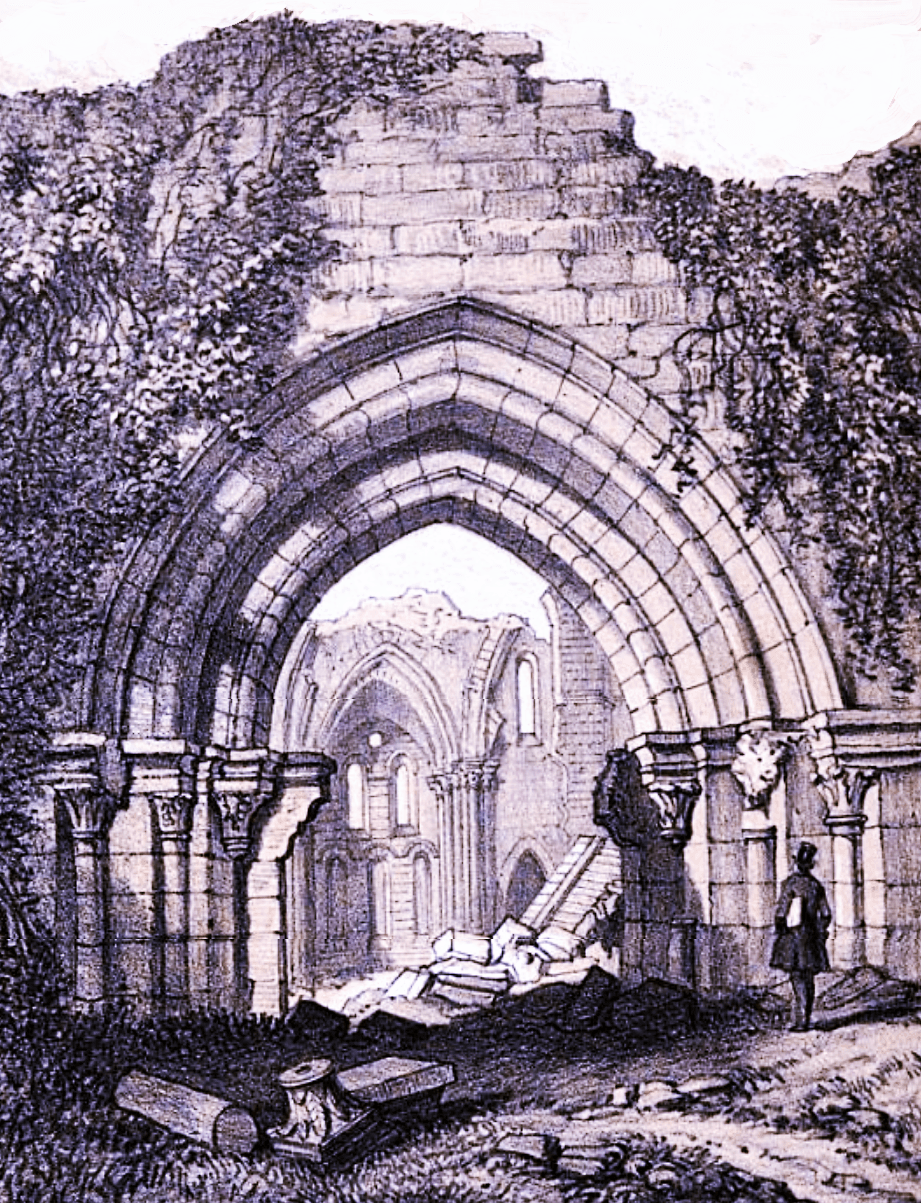
La Cour-Dieu Abbey was a Cistercian monastery founded in 1119, notable as the sixth daughter house of Cîteaux. It experienced rapid development, establishing several of its own daughter houses, and its church was constructed between 1170 and 1216. The abbey faced destruction and sieges during the Wars of Religion before being dissolved and abandoned during the French Revolution.
Key Facts
- ›Founded in 1119 as the sixth daughter house of Cîteaux.
- ›Successfully established six daughter houses between 1125 and 1181.
- ›The construction of its Gothic church spanned from 1170 to 1216.
- ›Suffered damage during the Wars of Religion in the late 16th century.
- ›Dissolved and abandoned in 1791 following the French Revolution.
- ›Remnants include parts of the west front, northern transept, chapter house, and kitchen.
Gothic
- 15th-Century Five-Sided Tower With Spiral Staircase
- 13th-Century Chapter House With Central Hearth
- 13th-Century Kitchen With Central Hearth
Abbey of La Cour-Dieu, Curia Dei
Founded In 1119, Partially Destroyed In 1399, Besieged By Protestants In 1562 and 1567, Dissolved and Abandoned In 1791
About La Cour-Dieu Abbey
La Cour-Dieu Abbey, also known by its Latin name Curia Dei, was a significant Cistercian monastery located in Ingrannes, Loiret, France. Its establishment in 1119 marked it as the sixth daughter house originating from the influential Cîteaux Abbey. The abbey experienced a period of rapid growth and development, soon becoming capable of founding its own daughter houses, beginning with Lorroy in 1125 and extending to establishments in Navarre and other parts of France.
History and Development
The construction of the abbey's Gothic church commenced in 1170 and was completed in 1216, reflecting a substantial architectural undertaking for the era. La Cour-Dieu Abbey was not only a spiritual center but also a significant landholder, possessing numerous granges, including the notable one at Chérupeau. The abbey's history was marked by periods of conflict; it suffered partial destruction in 1399 and endured sieges by Protestant forces in 1562 and 1567 during the tumultuous Wars of Religion.
Decline and Legacy
The abbey's operational life came to an end in 1791 when it was dissolved and abandoned during the French Revolution. Following its dissolution, the buildings fell into ruin. Today, remnants of La Cour-Dieu Abbey include portions of its simple west front, a 15th-century tower, and the northern transept of the church. The chapter house and a 13th-century kitchen with a distinctive central hearth also survive, though the cloister has vanished. The former abbot's residence, constructed in 1720, has been repurposed as a private house. The choir stalls from the abbey are now preserved in the church of Jargeau.
Source: Wikipedia ↗
Frequently Asked Questions
When was La Cour-Dieu Abbey founded?
La Cour-Dieu Abbey was founded in 1119. It was established as the sixth daughter house of the influential Cîteaux Abbey.
What is the architectural style of La Cour-Dieu Abbey?
The church of La Cour-Dieu Abbey was built in the Gothic style. Other surviving structures, like the chapter house and kitchen, date from the 13th century.
What remains of La Cour-Dieu Abbey today?
Today, portions of the abbey's west front and northern transept survive, along with the 13th-century chapter house and kitchen. The former abbot's residence, built in 1720, is now a private house.
What historical events impacted La Cour-Dieu Abbey?
The abbey was partially destroyed in 1399 and besieged by Protestants in 1562 and 1567 during the Wars of Religion. It was ultimately dissolved and abandoned in 1791 during the French Revolution.
Is La Cour-Dieu Abbey still an active monastery?
No, La Cour-Dieu Abbey is no longer an active monastery. It was dissolved and abandoned in 1791 during the French Revolution, and its remaining buildings are now used for other purposes.
Related Monasteries

Abbaye Blanche
The Abbaye Blanche was a Benedictine nunnery founded in 1112 in Mortain, France, by Saint Vitalis. It was established for women with his sister, Adelina, as its first abbess. The community followed a strict interpretation of the Rule of Saint Benedict and later joined the Cistercian order in 1147. Though much has been lost to time, remnants of its Romanesque and Early Gothic architecture endure.
Barbeau Abbey
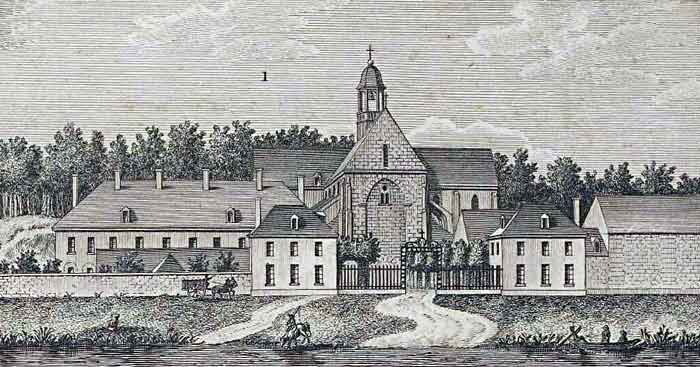
Barbeau Abbey was a Cistercian monastery founded in 1147 by King Louis VII of France. Located in Fontaine-le-Port, Seine-et-Marne, it was a site of royal burial and experienced periods of prosperity and destruction throughout its history, including the Hundred Years' War and the French Revolution. Today, few original structures remain, with a riding school occupying the former site.

Bellevaux Abbey
Bellevaux Abbey was a Cistercian monastery established in 1120 in Franche-Comté, France, by Pons de Morimond. It was a significant religious house, connected to local nobility and notable figures like Burchard of Bellevaux and Peter of Tarentaise. Though suppressed in 1790 and largely demolished shortly after, its history includes periods of destruction and rebuilding, with the final structures erected by Abbot Louis Albert de Lezay-Marnésia. The site later housed a Trappist community before being sold to private owners.