
Fontenelles Abbey
Fontenelles Abbey was an Augustinian monastery founded in 1210 by local landowners in Vendée, France. Originally Benedictine, it transitioned to Augustinian in the early 13th century and was dedicated in 1248. The abbey suffered significant damage during the Hundred Years' War and the Wars of Religion, leading to its eventual suppression during the French Revolution and subsequent abandonment and agricultural use. Today, the site remains private property with the truncated church as its most intact structure.
Key Facts
- ›Founded in 1210 by Guillaume de Mauléon and Béatrice de Machecoul.
- ›Originally Benedictine, it became Augustinian around 1224.
- ›The church was dedicated in 1248 by Jean de Melun, bishop of Poitiers.
- ›Suffered major damage during the Wars of Religion, leading to the church's permanent shortening.
- ›Suppressed during the French Revolution in 1791.
- ›The site is now private property with agricultural use.

Angevin Gothic, Transitional Romanesque-Gothic
Truncated Church, Tomb With Recumbent Effigy In An Arcosolium, Remains of the Chapter Room
Abbaye Des Fontenelles, Abbaye Notre-Dame Des Fontenelles, Fontenellae, Fintanelum, Fontenacum, Fontenaeum
Guillaume De MauléOn, BéAtrice De Machecoul, Jean De Melun
- Founded In 1210
- Became Augustinian Around 1224
- Church Dedicated In 1248
- Damaged During the Hundred Years' War
- Attacked and Largely Destroyed By Protestants In 1562
- Attacked Again By Protestants In the 1620s
- Restored From 1669 Onwards
- Suppressed During the French Revolution In 1791
- Abandoned After the Passage of the 'Infernal Columns' In 1794
- South Transept of the Church Collapsed In 1935
About Fontenelles Abbey
Fontenelles Abbey, also known by its Latin names Fontenellae or Fintanelum, was an Augustinian monastery situated in the Vendée region of France. Founded in 1210 by local landowners Guillaume de Mauléon and Béatrice de Machecoul, the abbey initially followed the Benedictine rule before transitioning to the Augustinian order around 1224, becoming a daughter house of Chancelade Abbey. The monastic church was consecrated in 1248 by Jean de Melun, the bishop of Poitiers.
History and Destruction
The abbey's history is marked by significant periods of conflict and destruction. The church sustained damage during the Hundred Years' War. Later, during the Wars of Religion in 1562, Protestant forces attacked the abbey, setting it on fire and causing extensive damage that resulted in the permanent shortening of the nave and a Greek cross floor plan. Further attacks occurred in the 1620s, necessitating repairs. Despite attempts at restoration from 1669 onwards, Fontenelles Abbey, by then housing only a few monks, was suppressed during the French Revolution in 1791. The revolutionary "infernal columns" further devastated the region, leaving the abbey abandoned.
Current State and Architecture
Following its abandonment, the site was repurposed for agricultural use, with the church serving as a barn and the abbot's lodging as laborers' accommodation. Continued neglect led to the collapse of most remaining buildings, including the south transept of the church in 1935. The abbey was constructed in granite, featuring Angevin Gothic architecture that transitioned between Romanesque and Gothic styles. The truncated church stands as the most intact structure, containing a tomb with a recumbent effigy within an arcosolium, believed to be that of either the foundress Béatrice de Machecoul or her daughter Jeanne. Substantial remnants of the chapter room also survive, though the rest of the former monastic complex is largely in ruins. The site remains private property.
Source: Wikipedia ↗
Frequently Asked Questions
When was Fontenelles Abbey founded?
Fontenelles Abbey was founded in 1210. It was established by local landowners Guillaume de Mauléon and his wife Béatrice de Machecoul.
What religious order was Fontenelles Abbey a part of?
The abbey was originally Benedictine but became Augustinian around 1224. It later became a daughter house of Chancelade Abbey.
What historical events impacted Fontenelles Abbey?
The abbey's church was damaged during the Hundred Years' War. It was also attacked and largely destroyed by Protestants during the Wars of Religion in 1562 and again in the 1620s, requiring repairs.
What is the current status of Fontenelles Abbey?
Fontenelles Abbey was suppressed during the French Revolution in 1791 and subsequently abandoned. The site was used for agriculture, and much of the remaining structures have collapsed due to neglect. The site remains private property.
What remains of Fontenelles Abbey today?
The most intact structure remaining is the truncated church, built in the Angevin Gothic style. It contains a tomb with a recumbent effigy. There are also substantial remains of the chapter room, but other former structures are in ruins.
Related Monasteries
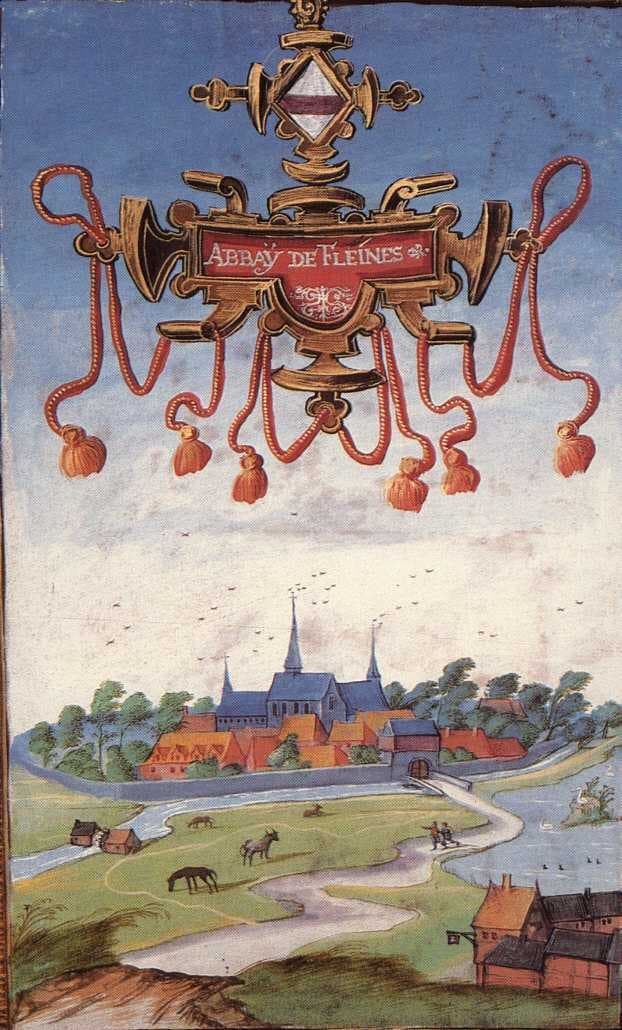
Flines Abbey
Flines Abbey was a Cistercian nunnery founded around 1234 by Countess Margaret of Flanders. It served as a significant burial site for the Counts of Flanders, including Margaret herself and her son Guy. The abbey experienced periods of destruction and extensive rebuilding, particularly in the 14th and subsequent centuries, before its dissolution during the French Revolution.

Joyenval Abbey
Joyenval Abbey was a Premonstratensian monastery founded in 1224 in the Forêt de Marly, France. It was named after the nearby Montjoye fortress and was dedicated to Saint Laurence and Saint Bartholomew. The abbey suffered destruction during the Hundred Years' War and was ultimately demolished during the French Revolution.

Abbaye-aux-Bois
The Abbaye-aux-Bois, originally founded in 1202 as Notre-Dame-aux-Bois in Ognolles, was a Bernardine (Cistercian) convent that relocated to Paris in 1654. Renowned for educating daughters of aristocratic families and later hosting a significant literary salon, its buildings underwent numerous transformations after being expropriated in 1792. The abbey was ultimately destroyed in 1907 to facilitate urban expansion, with its site later occupied by a theater.