
Joyenval Abbey
Joyenval Abbey was a Premonstratensian monastery founded in 1224 in the Forêt de Marly, France. It was named after the nearby Montjoye fortress and was dedicated to Saint Laurence and Saint Bartholomew. The abbey suffered destruction during the Hundred Years' War and was ultimately demolished during the French Revolution.
Key Facts
- ›Founded in 1224 by Barthélemy de Roye.
- ›Belonged to the Premonstratensian order.
- ›Located in the Forêt de Marly, France.
- ›Suffered destruction during the Hundred Years' War.
- ›Demolished during the French Revolution in the 1790s.
- ›Only traces of the abbey church remain today.

Proximity To Montjoye Fortress, Legendary Site of the Fontaine Des Lys
Abbaye De Joyenval
BarthéLemy De Roye
- Founded In 1224
- Set On Fire In 1346 During the Hundred Years' War
- Destroyed In the 1790s During the French Revolution
About Joyenval Abbey
Joyenval Abbey was a Premonstratensian monastery established in the 13th century within the Forêt de Marly, in what is now the commune of Chambourcy, Yvelines, France. Founded in 1224 by Barthélemy de Roye, who served as chamberlain to King Philippe-Auguste, the abbey's location was significant, situated near the Montjoye fortress and associated with legends of the oriflamme and the Fontaine des Lys.
History and Destruction
The abbey church was initially dedicated to Saint Laurence, with Saint Bartholomew added after the relics of the latter were transferred there around 1261. Joyenval Abbey faced significant hardship during historical conflicts. It was set ablaze on August 13, 1346, during the advance of Edward III's forces in the Hundred Years' War. The abbey also maintained a town house in Paris, the site of which is now known as the Rue des Orfèvres. Ultimately, Joyenval Abbey met its final destruction in the 1790s during the upheavals of the French Revolution.
Remains
Today, only limited physical remnants of Joyenval Abbey survive. These consist of a few traces of the abbey church, which can be observed on the grounds of the Joyenval golf course. These historical vestiges were formally recognized and recorded as a monument historique on October 24, 1989, preserving a tangible link to the abbey's past.
Source: Wikipedia ↗
Frequently Asked Questions
When was Joyenval Abbey founded?
Joyenval Abbey was founded in the year 1224. It was established by Barthélemy de Roye, who served as the chamberlain to King Philippe-Auguste.
What religious order did Joyenval Abbey belong to?
Joyenval Abbey was a Premonstratensian monastery. The Premonstratensians, also known as the Norbertines, are a Catholic order of canons regular.
What happened to Joyenval Abbey?
The abbey was set on fire in 1346 during the Hundred Years' War. It was later destroyed in the 1790s during the French Revolution.
Are there any remains of Joyenval Abbey today?
The only physical remains of Joyenval Abbey are a few traces of the abbey church. These remnants can be seen on the Joyenval golf course and were officially recognized as a monument historique in 1989.
Where was Joyenval Abbey located?
Joyenval Abbey was situated in the Forêt de Marly, within the present-day commune of Chambourcy, in the Yvelines department of France.
Related Monasteries

Dale (Stanley Park) Abbey
Dale Abbey, also known as the Abbey of Stanley Park, was a Premonstratensian monastery located near Ilkeston in Derbyshire. Its origins are steeped in legend, with accounts of hermits and visions, but it was officially constituted as an abbey in 1204. Despite periods of varying discipline and reputation, it played a role in English Premonstratensian houses before its dissolution in 1538.

Kinalehin Charterhouse
Kinalehin Charterhouse, also known as Kinaleghin Friary, holds the distinction of being Ireland's sole Carthusian monastery, founded around 1252. Over its history, it transitioned from a Carthusian charterhouse to a Franciscan friary, experiencing periods of dissolution and refounding before its final closure. The surviving remains primarily reflect its Franciscan period, though some Carthusian earthworks are still visible.
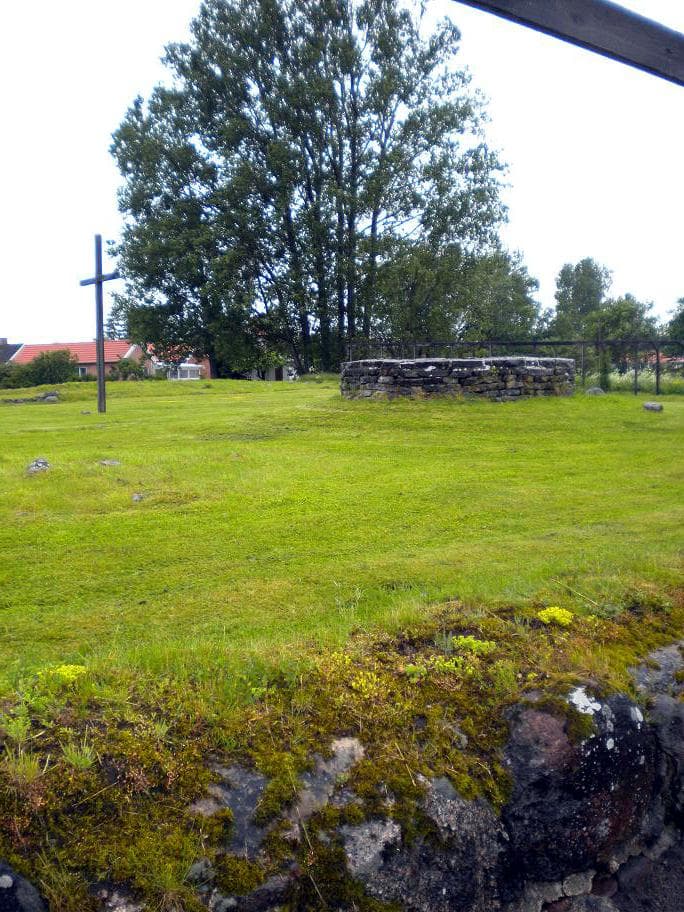
Skänninge Abbey
Skänninge Abbey, also known as St. Ingrid's Priory, was a Dominican convent for nuns in Skänninge, Sweden, operating from 1272 to 1544. Founded by Saint Ingrid of Skänninge, the abbey became a significant center for her cult and a wealthy institution, attracting donations and burials from the elite. It was eventually dissolved during the Swedish Reformation and its nuns forcibly relocated.