
Poitiers
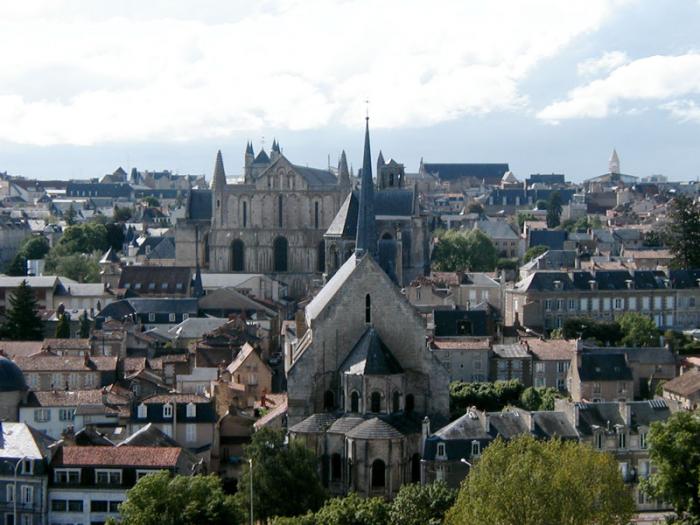
Poitiers is a historic university city in west-central France, renowned for its well-preserved Romanesque architecture and its strategic importance throughout history, marked by significant battles. It is a vibrant center for education, attracting a large student population, and a significant tourist destination, partly due to the nearby Futuroscope theme park. The city's heritage is evident in its numerous churches, the former palace of the Counts of Poitou, and its historical role as a provincial capital and intellectual hub.
Key Facts
- ›Founded by the Celtic tribe of the Pictones, known initially as Oppidum Lemonum.
- ›Home to the University of Poitiers, established in 1431.
- ›Site of two major historical battles: the Battle of Tours (732) and the Battle of Poitiers (1356).
- ›Known for its significant collection of Romanesque religious architecture, including the Baptistère Saint-Jean (4th century) and Notre-Dame-la-Grande (12th century).
- ›Served as a key administrative and intellectual center throughout the Middle Ages and early modern period.
- ›The city is popularly known as the "Ville aux cent clochers" ("City of a hundred bell towers").
Romanesque
Baptistery of Saint-Jean, Hypogeum of the Dunes, Church of Notre-Dame-La-Grande, Palace of Poitiers, University of Poitiers, Futuroscope Technopole
Oppidum Lemonum, Pictavium, Pictavis, Poictiers
Hilary of Poitiers, Saint Radegonde, Charles Martel, Eleanor of Aquitaine, FrançOis Rabelais, René Descartes, Joachim Du Bellay, FrançOis Villon
Battle of Tours, Battle of Poitiers, Founding of the University of Poitiers, Joan of Arc's Formal Inquest, Siege of Poitiers
About Poitiers
Poitiers is a historic university city located in west-central France, situated on the river Clain. It is celebrated for its exceptionally well-preserved Romanesque architecture, earning it the popular moniker "Ville aux cent clochers" ("City of a hundred bell towers"). The city's strategic location on a plateau between river valleys has made it a site of significant historical events, including two major battles: the Battle of Tours in 732, where Charles Martel's forces repelled an Umayyad invasion, and the Battle of Poitiers in 1356, a key engagement of the Hundred Years' War. Poitiers has also been a vital center of learning since the founding of its university in 1431, attracting renowned thinkers and scholars throughout the centuries.
Historical and Religious Significance
The origins of Poitiers trace back to the Celtic tribe of the Pictones, who named it Oppidum Lemonum. Under Roman influence, it became known as Pictavium. The city's Christian heritage is profound, with the first bishop, Saint Hilary of Poitiers, active in the 4th century, and the construction of the Baptistery of Saint-Jean from that era. The 7th-century Merovingian underground chapel of the Hypogeum of the Dunes further attests to its early religious importance. During the Middle Ages, Poitiers was a ducal seat and a center of power for the Counts of Poitou, with Eleanor of Aquitaine notably residing there and marrying Henry II in the city's cathedral.
Architectural Heritage and Modern Vibrancy
Poitiers' architectural landscape is dominated by its numerous Romanesque churches, including the 12th-century Church of Notre-Dame-la-Grande, often cited as one of the oldest Romanesque churches in Europe, and the Poitiers Cathedral. The city also features the Palace of Poitiers, a former ducal residence. Beyond its historical monuments, Poitiers thrives as a modern university town, hosting a large student population and serving as a hub for research and technology, notably with the nearby Futuroscope Technopole. This blend of ancient heritage and contemporary dynamism makes Poitiers a destination of enduring interest.
Source: Wikipedia ↗
Frequently Asked Questions
What is Poitiers famous for?
Poitiers is famous for its rich history, particularly its well-preserved Romanesque architecture, and its status as a significant university city. It is also known for being the site of two pivotal historical battles: the Battle of Tours in 732 and the Battle of Poitiers in 1356.
When was the University of Poitiers founded?
The University of Poitiers was founded in 1431, making it one of the oldest universities in France. It has since hosted many notable thinkers and scholars throughout its history.
What are the main historical attractions in Poitiers?
Key historical attractions include the Baptistery of Saint-Jean, one of the oldest churches in France dating back to the 4th century, the 12th-century Church of Notre-Dame-la-Grande, and the Palace of Poitiers. The city boasts numerous other Romanesque churches and historical buildings.
What is the significance of the Battle of Tours/Poitiers?
The Battle of Tours in 732, fought near Poitiers, saw Charles Martel's Frankish forces defeat an Umayyad army, a significant event in European history. The Battle of Poitiers in 1356 was a major engagement of the Hundred Years' War, resulting in an English victory and the capture of the French king.
Is Poitiers a modern city?
While Poitiers has a deep historical foundation, it is also a modern university city. It is home to the Futuroscope Technopole, a major center for technology and research, and has a significant student population.
Related Monasteries
Rodez
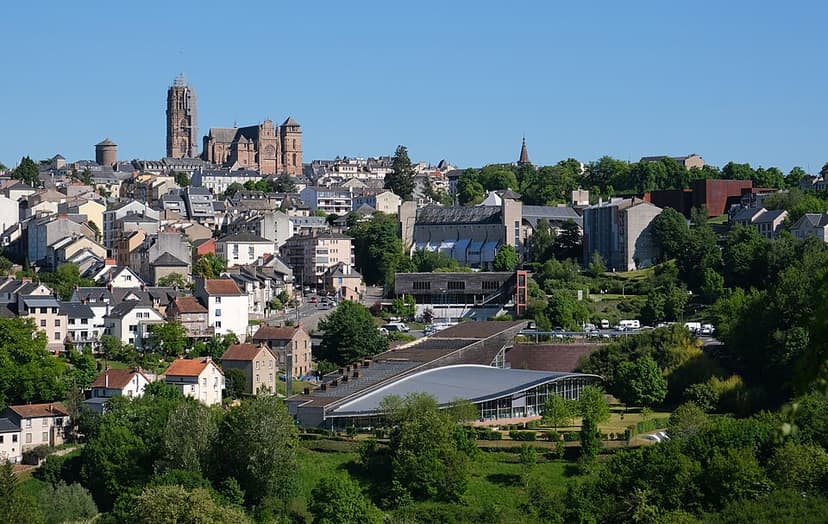
Rodez is a historic city in southern France, with origins dating back to the 5th century BC when it was founded by the Celtic tribe of the Ruteni. It served as a significant Gallic oppidum, later becoming a Roman settlement known as Segodunum and then Civitas Rutenorum. Throughout its history, Rodez experienced occupations by various powers, including the Visigoths, Franks, Arabs, and English, and was notably marked by a medieval rivalry between its Counts and Bishops. Today, it is the prefecture of the Aveyron department and a flourishing merchant center.
Valenciennes
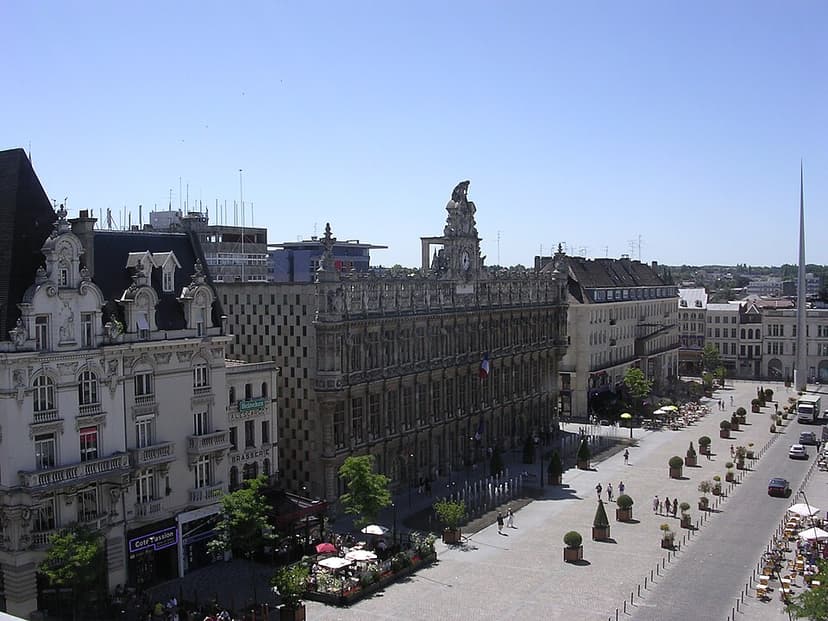
Valenciennes is a historic commune in northern France, situated on the Scheldt River. It played a significant role in religious and military history, notably hosting a pivotal Dominican Order chapter in 1259 and enduring numerous sieges throughout the centuries. While much of the city was rebuilt after extensive destruction in both World Wars, remnants of its past, such as the Hôtel de Ville façade and the Basilica of Notre-Dame du Saint-Cordon, endure.

La Grande Chartreuse
La Grande Chartreuse is the head monastery of the Carthusian religious order, founded in 1084 by Saint Bruno and his followers. Located in the French Alps, it has a rich history marked by reconstructions, expulsions during the French Revolution, and a significant role in the production of the Chartreuse liqueur. While visitors are not permitted on the monastery grounds, a museum dedicated to the Carthusian order is situated nearby.