
Flines Abbey
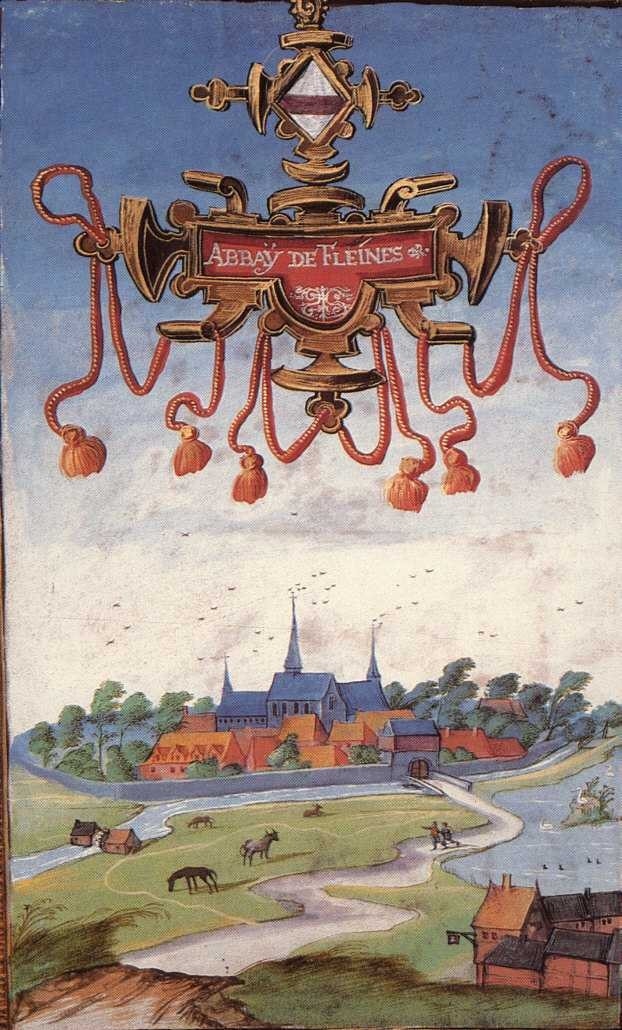
Flines Abbey was a Cistercian nunnery founded around 1234 by Countess Margaret of Flanders. It served as a significant burial site for the Counts of Flanders, including Margaret herself and her son Guy. The abbey experienced periods of destruction and extensive rebuilding, particularly in the 14th and subsequent centuries, before its dissolution during the French Revolution.
Key Facts
- ›Founded in about 1234 by Countess Margaret of Flanders.
- ›Served as the burial place for several Counts of Flanders and their wives.
- ›Suffered significant damage during the Battle of Mons-en-PéVèle in 1304.
- ›Underwent major rebuilding phases in the 14th, 16th, and 17th centuries.
- ›Dissolved during the French Revolution, with most buildings demolished by the MID-19th century.
Gothic, Classical
- Burial Site of Counts of Flanders
- Extensive Precinct of 14 Hectares After 14th-Century Restoration
- Cruciform Church
- Wooden Tower
- Calvary Cross
Abbaye De Flines, L'Honneur Notre-Dame De Flines
Margaret of Flanders, William Ii of Dampierre, Guy, Count of Flanders, Matilda of BéThune, Isabelle of Luxembourg, Jeanne De Boubais, Jacqueline De Lalaing, Ernestine Obert, Placide Ricart, Isabelle De Gomicourt, Ernestine De Thiennes De Rumbecke, General Drouot
- Founded By Countess Margaret of Flanders
- Burial Site For Flemish Nobility
- Devastated In the Battle of Mons-En-PéVèLe
- Restoration Work Completed In the 14th Century
- Rebuilt Under Abbess Jeanne De Boubais
- Remodelled Under Ernestine Obert
- Farms Damaged In the War of the Spanish Succession
- Dissolved During the French Revolution
- Demolition Ordered In 1794
- Dispute Over Legality of Sales and Demolition
- Church Demolished In March 1805
- Last Remains Disappeared Mid-19th Century
About Flines Abbey
Flines Abbey, also known as L'Honneur Notre-Dame de Flines, was a significant Cistercian nunnery located in Flines-lez-Raches, near Douai, in the Nord department of France. Its establishment in approximately 1234 by Countess Margaret of Flanders marked the beginning of its role as a prominent religious institution and a final resting place for notable figures of the era.
History and Significance
The abbey's importance is underscored by its function as a burial site for the Counts of Flanders and their consorts. Countess Margaret herself was interred there in 1278, alongside her husband William II of Dampierre and their son Guy, Count of Flanders, as well as Guy's wives, Matilda of Béthune and Isabelle of Luxembourg. This association with such a powerful lineage cemented its status.
Flines Abbey faced considerable challenges throughout its history, notably suffering devastation during the Battle of Mons-en-Pévèle in 1304. Following this conflict, extensive restoration work was undertaken in the 14th century, which expanded the precinct to 14 hectares. Further substantial rebuilding and remodelling occurred across subsequent centuries, particularly under Abbess Jeanne de Boubais in the early 16th century, and later in the late 17th and early 18th centuries, adapting its structures to evolving architectural tastes and needs.
Dissolution and Legacy
The French Revolution brought an end to Flines Abbey's monastic life. In 1794, the abbey buildings were ordered to be demolished by General Drouot, who feared they could be used by enemy forces. Despite legal disputes regarding the sale and demolition of the property, the church was eventually torn down in 1805, and by the mid-19th century, the last vestiges of the abbey had vanished. Today, Flines Abbey exists primarily as ruins, with its historical significance remembered through its association with Flemish nobility and its architectural transformations over centuries.
Source: Wikipedia ↗
Frequently Asked Questions
Who founded Flines Abbey?
Flines Abbey was founded in about 1234 by Countess Margaret of Flanders. She was a prominent figure and established the abbey as a significant religious and burial site.
Who was buried at Flines Abbey?
The abbey was the burial place for several members of the Counts of Flanders. This included Countess Margaret herself, her husband William II of Dampierre, and their son Guy, Count of Flanders, along with Guy's wives Matilda of Béthune and Isabelle of Luxembourg.
What happened to Flines Abbey during the French Revolution?
The abbey was dissolved during the French Revolution. In 1794, General Drouot ordered the demolition of the buildings to prevent their use as a stronghold. Despite disputes over sales and demolition rights, the church was eventually demolished, and the last remains of the abbey disappeared by the mid-19th century.
When was Flines Abbey rebuilt?
Following damage in the Battle of Mons-en-Pévèle in 1304, restoration work was completed in the 14th century. Significant rebuilding also occurred under Abbess Jeanne de Boubais in the early 16th century, and further remodelling took place in the late 17th and early 18th centuries.
Related Monasteries

Fontenelles Abbey
Fontenelles Abbey was an Augustinian monastery founded in 1210 by local landowners in Vendée, France. Originally Benedictine, it transitioned to Augustinian in the early 13th century and was dedicated in 1248. The abbey suffered significant damage during the Hundred Years' War and the Wars of Religion, leading to its eventual suppression during the French Revolution and subsequent abandonment and agricultural use. Today, the site remains private property with the truncated church as its most intact structure.

Joyenval Abbey
Joyenval Abbey was a Premonstratensian monastery founded in 1224 in the Forêt de Marly, France. It was named after the nearby Montjoye fortress and was dedicated to Saint Laurence and Saint Bartholomew. The abbey suffered destruction during the Hundred Years' War and was ultimately demolished during the French Revolution.

Abbaye-aux-Bois
The Abbaye-aux-Bois, originally founded in 1202 as Notre-Dame-aux-Bois in Ognolles, was a Bernardine (Cistercian) convent that relocated to Paris in 1654. Renowned for educating daughters of aristocratic families and later hosting a significant literary salon, its buildings underwent numerous transformations after being expropriated in 1792. The abbey was ultimately destroyed in 1907 to facilitate urban expansion, with its site later occupied by a theater.