
Fontainejean Abbey
Fontainejean Abbey was a Cistercian monastery located in Saint-Maurice-sur-Aveyron, France, founded in 1124 by Miles de Courtenay. It served as the burial place for the Courtenay family and was significantly damaged in 1562 by Protestant troops. The abbey was suppressed during the French Revolution in 1791, and today only remnants of its structures remain.
Key Facts
- ›Founded in 1124 as a daughter house of Pontigny Abbey.
- ›Established by Miles de Courtenay, also a founder of Les Écharlis Abbey.
- ›Became the burial site for the Courtenay family.
- ›Suffered damage in 1562 during occupation by Protestant troops.
- ›Suppressed in 1791 during the French Revolution.
- ›Surviving structures include parts of the church's transept and choir, and a 13th-century grange.

Gothic
Burial Place of the Courtenay Family, Remnants of Transept and Choir Chapels, 13th-Century Grange
Abbaye De Fontainejean, Abbaye De Fontaine-Jean
Miles De Courtenay
- Founded In 1124
- Occupied By Protestant Troops and Church Ruined In 1562
- Suppressed In 1791 During the French Revolution
About Fontainejean Abbey
Fontainejean Abbey was a significant Cistercian monastery located in the commune of Saint-Maurice-sur-Aveyron within the Gâtinais region of France. Its establishment in 1124 marked the creation of a monastic community that would play a role in regional history and serve as a resting place for a prominent noble family.
Founding and Early History
The abbey was founded in 1124 by Miles de Courtenay, a figure also credited with founding Les Écharlis Abbey. As a daughter house of Pontigny Abbey, Fontainejean Abbey was integrated into the established Cistercian network. Its early years saw it become the chosen burial place for the Courtenay family, underscoring its importance and the family's patronage.
Conflicts and Suppression
The abbey's history was marked by periods of conflict. In 1562, during a time of religious upheaval, it was occupied by Protestant troops, which resulted in the ruin of its church. The abbey's operational life ultimately came to an end in 1791 when it was suppressed during the French Revolution.
Surviving Structures
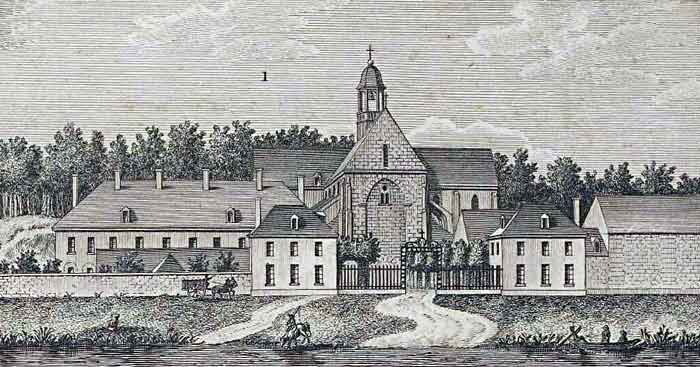
Today, Fontainejean Abbey exists primarily as ruins, offering glimpses into its past grandeur. The surviving structures include the north arm of the church's transept, which still retains its chapels, and a portion of the wall of the choir. Additionally, part of the 13th-century grange remains, providing some architectural context to the former monastic complex.
Source: Wikipedia ↗
Frequently Asked Questions
When was Fontainejean Abbey founded?
Fontainejean Abbey was founded in the year 1124. It was established as a daughter house of Pontigny Abbey by Miles de Courtenay.
What is the religious order of Fontainejean Abbey?
Fontainejean Abbey belonged to the Cistercian order. It was part of the Cistercian network of monasteries in France.
What happened to Fontainejean Abbey during the French Revolution?
During the French Revolution, Fontainejean Abbey was suppressed in 1791. This led to the end of its monastic operations.
What remains of Fontainejean Abbey today?
Today, little remains of the original structures. Surviving elements include the north arm of the church's transept with chapels, part of the choir wall, and a portion of the 13th-century grange.
Who founded Fontainejean Abbey?
The abbey was founded by Miles de Courtenay. He was also responsible for founding Les Écharlis Abbey.
Related Monasteries

Abbaye Blanche
The Abbaye Blanche was a Benedictine nunnery founded in 1112 in Mortain, France, by Saint Vitalis. It was established for women with his sister, Adelina, as its first abbess. The community followed a strict interpretation of the Rule of Saint Benedict and later joined the Cistercian order in 1147. Though much has been lost to time, remnants of its Romanesque and Early Gothic architecture endure.
Barbeau Abbey
Barbeau Abbey was a Cistercian monastery founded in 1147 by King Louis VII of France. Located in Fontaine-le-Port, Seine-et-Marne, it was a site of royal burial and experienced periods of prosperity and destruction throughout its history, including the Hundred Years' War and the French Revolution. Today, few original structures remain, with a riding school occupying the former site.

Bellevaux Abbey
Bellevaux Abbey was a Cistercian monastery established in 1120 in Franche-Comté, France, by Pons de Morimond. It was a significant religious house, connected to local nobility and notable figures like Burchard of Bellevaux and Peter of Tarentaise. Though suppressed in 1790 and largely demolished shortly after, its history includes periods of destruction and rebuilding, with the final structures erected by Abbot Louis Albert de Lezay-Marnésia. The site later housed a Trappist community before being sold to private owners.