
Derby Priory (Cluniac)
St. James Priory, also known as Derby Cluniac Priory, was a Benedictine monastery established between 1072 and 1076. Situated in Derby City Centre, it developed from a Saxon-era chapel and was later associated with the Cluniac order. The priory served as a hospital for the poor and unwell in the 13th century and experienced periods of financial difficulty and rebuilding after a fire in 1335. It ceased to exist during the Dissolution of the Monasteries.
Key Facts
- ›Founded between 1072 and 1076 by Waltheof, Earl of Huntingdon and Northumbria.
- ›Developed from a Saxon-era chapel dedicated to St. James.
- ›Served as a hospital for the poor and unwell from the 13th century.
- ›Suffered accidental destruction by fire in 1335, requiring rebuilding.
- ›Its lands and property were granted to the Corporation of Derby after the Dissolution.
- ›No visible remains of the priory currently exist due to subsequent development.

Hospital For the Poor and Unwell, St. James Bridge, Constructed By the Monks
Derby Cluniac Priory, St. James' Priory
Waltheof, Earl of Huntingdon and Northumbria, King Stephen, Yves De Chassant, Abbot of Cluny, Prior Peter, Richard De Staunton, Peter Sincker, King Edward Iii, John De Cusancia, Thomas Gainsbury
- Donation of St. James Chapel To Bermondsey Abbey
- Confirmation of Donation By King Stephen
- Development of A Hospital For the Poor and Unwell
- Inspection By Abbot of Cluny
- Court Cases Involving Prior and Chaplains
- Grant of Crown Protection
- Accidental Burning Down of Priory, Church, and Hospital
- Seizure and Return of Lands During Hundred Years' War
- Gained 'Denization' Status Via Bermondsey Abbey
- Dissolution of the Monasteries
About Derby Priory (Cluniac)
Derby Priory, officially known as St. James Priory and also referred to as Derby Cluniac Priory, was a Benedictine monastery located in what is now Derby City Centre. Its origins trace back to a Saxon-era chapel dedicated to St. James, situated on the north side of St James's Street, adjacent to the Markeaton Brook. Between 1072 and 1076, Waltheof, Earl of Huntingdon and Northumbria, granted this chapel to the Benedictine monks of Bermondsey Abbey, who subsequently established it as a priory. King Stephen later confirmed this donation around 1140.
History and Development
The priory evolved over centuries, developing into a significant local institution. In the 13th century, it housed a hospital dedicated to caring for the poor and unwell, a function recognized by King Henry III, who granted it protection as a 'poor hospital' around 1230. Inspections in 1279 by the Abbot of Cluny revealed a small community of a prior and two monks, with the priory buildings generally in good condition, though the church roof required attention. Financial records from 1291 described the priory as 'slenderly endowed' with a modest annual income.
A period of significant hardship occurred in 1335 when the priory, its church, and hospital were accidentally burned down. The priory received crown protection to raise funds for rebuilding through church alms. During the Hundred Years' War, as a house owing allegiance potentially to France, its lands faced seizure by King Edward III and demands for substantial annual payments to the Crown, though these were later eased due to the priory's poverty. By 1400, through a 'charter of Denization' granted to its mother house, Bermondsey Abbey, St. James Priory gained a status that prevented its suppression as an alien establishment.
Dissolution and Legacy
In the years leading up to the Dissolution of the Monasteries, Derby Priory's income was recorded as £11 15s 11d per year, derived from various land rentals and mills. The prior at the time of the dissolution, Thomas Gainsbury, was awarded a pension. Following its dissolution, the priory's chapel and associated lands were granted to the Corporation of Derby. Today, no visible remains of Derby Priory exist due to extensive rebuilding and development on the site over the centuries. Archaeological finds have included a large key, human remains, and an incised grave slab, offering tangible links to its past.
Source: Wikipedia ↗
Frequently Asked Questions
When was Derby Priory founded?
Derby Priory was founded between 1072 and 1076. Waltheof, Earl of Huntingdon and Northumbria, gave a chapel on the site to the Benedictine monks of Bermondsey Abbey, who then developed it into a priory.
What was the religious affiliation of Derby Priory?
Derby Priory was a Benedictine monastery, and later became associated with the Cluniac order. It was a cell of Bermondsey Abbey until potentially operating independently after gaining 'Denization' status in the late 14th century.
Did Derby Priory have any charitable functions?
Yes, in the 13th century, a hospital was developed at the priory to cater for 'the poor and unwell'. It was recorded as being 'protected as a poor hospital' around 1230.
What happened to Derby Priory after its dissolution?
Following the Dissolution of the Monasteries, the 'Free Chapel of St. James, with all the lands, ect., thereto belonging' were granted to the Corporation of Derby.
Are there any visible remains of Derby Priory today?
No, there are no visible remains of the priory. The location on St James's Street has been built upon multiple times since the Dissolution, and the exact site cannot be archaeologically confirmed.
What historical events impacted Derby Priory?
The priory was accidentally burned down in 1335, necessitating a rebuilding effort. During the Hundred Years' War, its lands were subject to royal confiscation and heavy payments to the Crown due to its status as a French-affiliated house, though this was later eased.
Related Monasteries
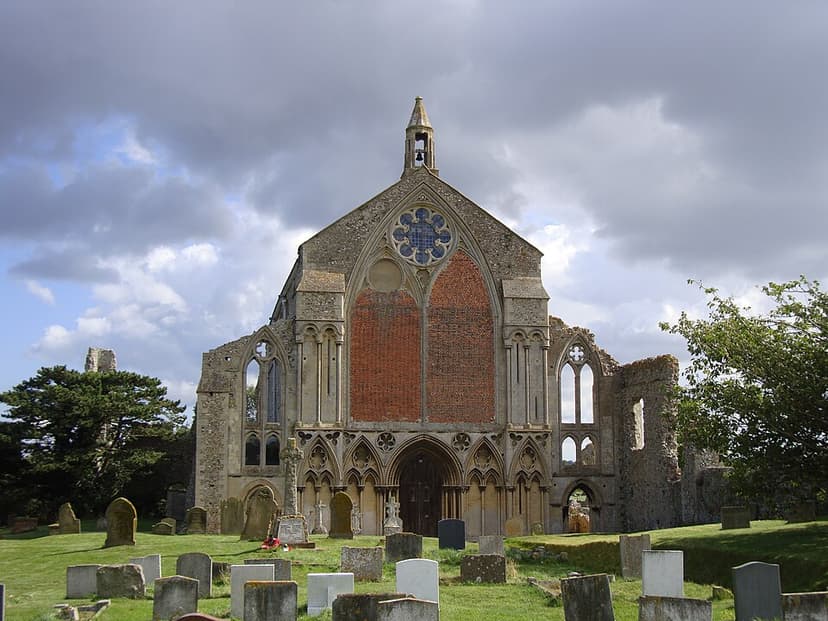
Binham Priory
Binham Priory, officially St Mary's Priory, Binham, was a ruined Benedictine priory in Norfolk, England, founded in 1091. Its history is marked by scandal and unscrupulous priors, culminating in its dissolution and partial destruction in 1539. The surviving nave of its priory church continues to serve as the parish church of St. Mary and the Holy Cross.

Chatteris Abbey
Chatteris Abbey was a Benedictine monastery for nuns founded in 1016 by Eadnoth, Bishop of Dorchester. Despite surviving an early fire and the initial wave of monastic dissolutions, it was ultimately surrendered to the King's commissioners in 1538 and demolished. While a portion of its cloister buildings was incorporated into a later mansion, the abbey site has largely vanished, with only a few wall fragments remaining.
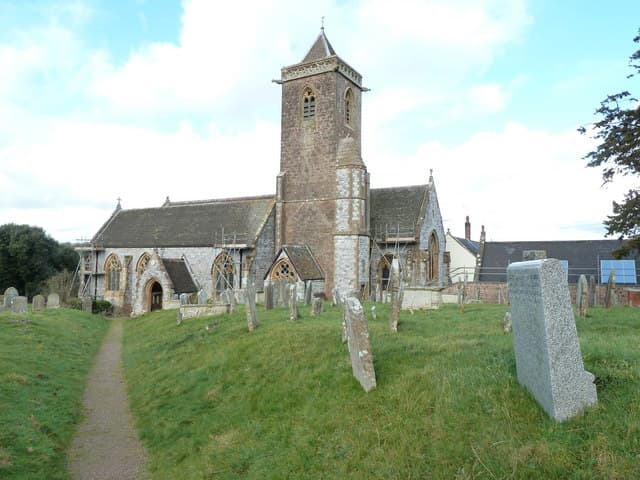
Otterton Priory
Otterton Priory was a Benedictine monastic institution founded in Devon before 1087 and suppressed in 1414. As an "alien priory," it was a dependency of Mont St. Michael in Normandy. The most significant remaining structure of the priory is the tower of the present-day parish church, with the manor house likely incorporating salvaged monastic materials.