
Chatteris Abbey
Chatteris Abbey was a Benedictine monastery for nuns founded in 1016 by Eadnoth, Bishop of Dorchester. Despite surviving an early fire and the initial wave of monastic dissolutions, it was ultimately surrendered to the King's commissioners in 1538 and demolished. While a portion of its cloister buildings was incorporated into a later mansion, the abbey site has largely vanished, with only a few wall fragments remaining.
Key Facts
- ›Founded in 1016 by Eadnoth, Bishop of Dorchester, as a Benedictine monastery for nuns.
- ›Suffered significant damage from a fire before 1310.
- ›The nave of its church was used by local families as their parish church.
- ›Surrendered to royal commissioners in 1538, with eleven nuns in residence at the time.
- ›Demolished after its surrender, with parishioners moved to a nearby church.
- ›Vestiges of cloister buildings were incorporated into Park House, which was later demolished.

- Remnants of Cloister Buildings Incorporated Into Park House
Eadnoth, Bishop of Dorchester
- Fire Destroyed Much of the Monastery Before 1310
- Surrender To King's Commissioners In 1538
About Chatteris Abbey
Chatteris Abbey was a Benedictine monastery located in Chatteris, in the Isle of Ely, Cambridgeshire, England. Founded in 1016 by Eadnoth, the Bishop of Dorchester on Thames, it served as a monastic house for Benedictine nuns.
History and Significance
The abbey's early history was marked by adversity, with a significant portion of the monastery being destroyed by fire before 1310. Despite this setback and never achieving great wealth, Chatteris Abbey persisted through the centuries. Unusually, by the mid-14th century, local families had begun using the nave of the monastic church as their parish church, a practice that continued even as the wider Dissolution of the Monasteries approached.
Chatteris Abbey managed to survive the first wave of closures during the Dissolution. However, it was ultimately surrendered to the King's commissioners in 1538. At the time of its surrender, eleven nuns were in residence. Even though the abbey church was still utilized by parishioners, this did not spare it from demolition. The parishioners were subsequently transferred to the nearby St Peter and St Paul's Church.
Later History and Present Day
Following its demolition, a range of the cloister buildings was incorporated into a mansion known as Park House. This house met its own end in 1847 when it was demolished. Today, the site of Chatteris Abbey has almost entirely vanished, with the exception of a few wall fragments. The modern street layout of Chatteris, particularly the Park Streets, now marks the approximate boundaries of the former abbey.
Source: Wikipedia ↗
Frequently Asked Questions
When was Chatteris Abbey founded?
Chatteris Abbey was founded in 1016. It was established as a monastery for Benedictine nuns.
Who founded Chatteris Abbey?
The abbey was founded by Eadnoth, who was the Bishop of Dorchester on Thames. He established it as a religious house for Benedictine nuns.
What happened to Chatteris Abbey during the Dissolution of the Monasteries?
Chatteris Abbey survived the initial closures of the Dissolution. However, it was finally surrendered to the King's commissioners in 1538 and subsequently demolished.
What remains of Chatteris Abbey today?
Very little of Chatteris Abbey remains today. The site has largely disappeared beneath modern streets and housing, with only a few wall fragments surviving. A range of cloister buildings was incorporated into a mansion called Park House, but this was also demolished.
Was the abbey church used by local parishioners?
Yes, by the middle of the 14th century, some local families were using the nave of the monastic church as their parish church. This practice continued even at the time of the abbey's surrender but did not prevent its demolition.
Related Monasteries
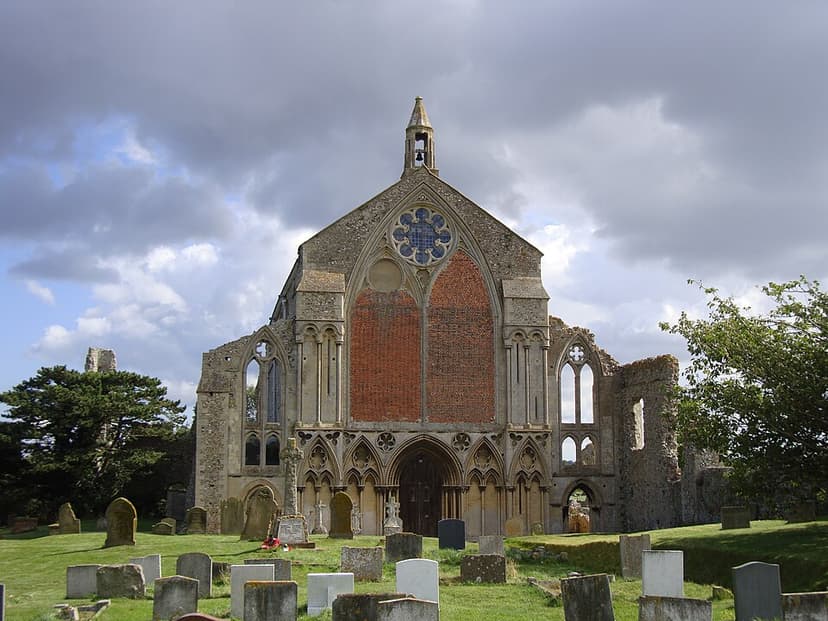
Binham Priory
Binham Priory, officially St Mary's Priory, Binham, was a ruined Benedictine priory in Norfolk, England, founded in 1091. Its history is marked by scandal and unscrupulous priors, culminating in its dissolution and partial destruction in 1539. The surviving nave of its priory church continues to serve as the parish church of St. Mary and the Holy Cross.

Derby Priory (Cluniac)
St. James Priory, also known as Derby Cluniac Priory, was a Benedictine monastery established between 1072 and 1076. Situated in Derby City Centre, it developed from a Saxon-era chapel and was later associated with the Cluniac order. The priory served as a hospital for the poor and unwell in the 13th century and experienced periods of financial difficulty and rebuilding after a fire in 1335. It ceased to exist during the Dissolution of the Monasteries.
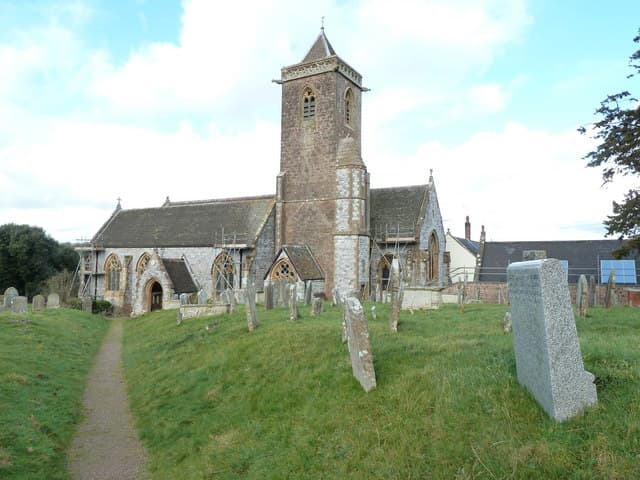
Otterton Priory
Otterton Priory was a Benedictine monastic institution founded in Devon before 1087 and suppressed in 1414. As an "alien priory," it was a dependency of Mont St. Michael in Normandy. The most significant remaining structure of the priory is the tower of the present-day parish church, with the manor house likely incorporating salvaged monastic materials.