
Buildwas Abbey
Buildwas Abbey was a significant Cistercian monastery in Shropshire, England, founded in 1135. It experienced periods of substantial growth and wealth, becoming a center of learning with a notable library. Despite facing challenges from economic crises and conflict, it played a role in royal administration, particularly concerning Ireland and Wales, before its suppression in 1536. Today, substantial remains of the abbey church and monastic buildings are maintained by English Heritage.
Key Facts
- ›Founded in 1135 by Roger de Clinton, Bishop of Coventry and Lichfield, originally as a Savigniac monastery.
- ›Became a Cistercian house in 1147/1148 following the merger of the Savigniac congregation into the Cistercian Order.
- ›Experienced periods of significant growth and endowment, particularly under Abbot Ranulf in the late 12th century and again in the MID-13th century.
- ›Acquired daughter houses in Ireland (St. Mary's Abbey, Dublin) and Wales (Basingwerk Abbey).
- ›Suppressed in 1536 during the Dissolution of the Monasteries under Henry VIII.
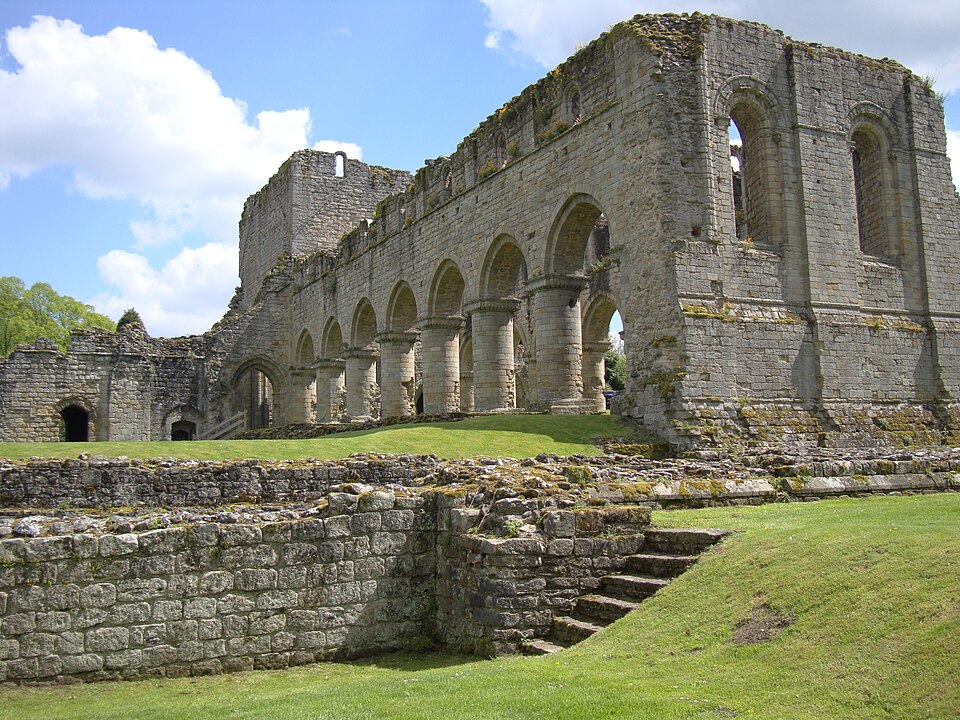
- ›Substantial remains of the abbey church and monks' quarters are preserved and managed by English Heritage.
Romanesque, Gothic
Substantial Remains of Abbey Church, Monks' Quarters, Substantial Library
Bildwas
Roger De Clinton, Abbot Ranulf, Ingenulf, Richard I, Henry Ii, Edward I, Edward Iii
- Founded As A Savigniac Monastery
- Merger of Savigniac Congregation Into Cistercian Order
- Periods of Growth and Wealth
- Establishment of Daughter Houses In Ireland and Wales
- Involvement In Royal Administration Concerning Ireland and Wales
- Suppressed During the Dissolution of the Monasteries
About Buildwas Abbey
Buildwas Abbey stands as a significant ruin on the banks of the River Severn in Shropshire, England, representing a once-thriving center of monastic life and learning. Founded in 1135 by Roger de Clinton, the Bishop of Coventry and Lichfield, it was initially established as a Savigniac monastery. Following the Savigniac congregation's integration into the Cistercian Order in 1147/1148, Buildwas became a prominent Cistercian house, known for its discipline and intellectual pursuits.
History and Development
The abbey experienced several periods of notable growth and increasing wealth, particularly under Abbot Ranulf in the latter half of the 12th century and again from the mid-13th century. During these times, it acquired numerous estates and became a considerable landowner in Shropshire. Buildwas Abbey was also recognized for its substantial library, housing many volumes that are now dispersed among various collections.
Its abbots frequently served the Plantagenet monarchs, undertaking important administrative roles, especially in the attempts to govern Ireland and Wales. This royal service led to the establishment of daughter houses in both countries: St. Mary's Abbey in Dublin and Basingwerk Abbey in Flintshire. However, the abbey also faced challenges, including the economic and demographic crises of the 14th century, exacerbated by political instability in the Welsh Marches.
Dissolution and Legacy
Buildwas Abbey met its end in 1536, when it was suppressed under King Henry VIII as part of the Dissolution of the Monasteries. Despite its destruction as an active religious community, substantial remains of the abbey church and monks' quarters have survived. These evocative ruins are a testament to its architectural past and are now maintained in the care of English Heritage, offering a glimpse into medieval monastic life.
Source: Wikipedia ↗
Frequently Asked Questions
When was Buildwas Abbey founded and by whom?
Buildwas Abbey was founded in 1135 by Roger de Clinton, who was the Bishop of Coventry and Lichfield at the time. Initially, it was established as a Savigniac monastery before joining the Cistercian Order.
What religious order did Buildwas Abbey belong to?
Buildwas Abbey was originally founded as a Savigniac monastery. In 1147/1148, the Savigniac congregation was absorbed into the Cistercian Order, and Buildwas became a Cistercian house.
What was the historical significance of Buildwas Abbey?
Buildwas Abbey was a center of learning with a substantial library and was known for its discipline. Its abbots were often employed by the Plantagenet monarchs for administrative tasks related to Ireland and Wales, and the abbey established daughter houses in both countries.
What happened to Buildwas Abbey?
Buildwas Abbey was suppressed in 1536 as part of the Dissolution of the Monasteries under King Henry VIII. Its buildings fell into ruin, though significant remains are still present today.
What remains of Buildwas Abbey today?
Substantial remains of the abbey church and the monks' quarters are still standing. These important historical structures are now under the care of English Heritage and are accessible to the public.
Did Buildwas Abbey have any daughter houses?
Yes, Buildwas Abbey had daughter houses. It was responsible for St. Mary's Abbey in Dublin, Ireland, and Basingwerk Abbey in Flintshire, Wales.
Related Monasteries

Ankerwycke Priory
Ankerwycke Priory was a small and relatively poor Benedictine nunnery established around 1160 in Buckinghamshire, England. Dedicated to St. Mary Magdalene, it held lands across several counties. Dissolved in 1536, its revenues were transferred to Bisham Abbey, and the priory site later saw the construction of a manor house. Today, only a small section of ruins remains, situated in Berkshire.

Byland Abbey
Byland Abbey was a Savigniac and later Cistercian monastic institution founded in 1135 in North Yorkshire, England. Despite an unstable early history with multiple relocations, it eventually settled at its final site near Coxwold. Once established, it became a significant religious and economic center, renowned for its sheep rearing and wool exports, and boasting a church described as one of the finest 12th-century structures in Europe. Though dissolved in 1538, extensive ruins remain, including the west front of the church with its notable rose window, and the site is maintained by English Heritage.

Canonsleigh Abbey
Canonsleigh Abbey was an Augustinian priory founded around 1170 by Walter de Claville in Devon, England. Initially established for Augustinian canons regular, it was later refounded as a nunnery in 1284 by Maud de Lacy, Countess of Gloucester. The abbey was suppressed in 1539 during the Dissolution of the Monasteries, and today only a 15th-century gatehouse and scattered ruins remain.